Choosing Aluminium Doors And Windows is not just a matter of picking a frame colour. The right choice depends on your home, local weather, room layout, and installation quality. A slim frame may bring in more daylight, but glass size and placement also affect comfort. Small details matter.
Before comparing quotes, note how each room is used. A kitchen door facing a windy garden may need different hardware and weather seals from a bedroom window. Ask suppliers for clear specifications, including frame dimensions, glazing type, thermal performance, finish, and warranty terms. Check what the quote includes. Removal, installation, and finishing can change the final cost.
This guide presents seven practical tips for making a more informed purchase. It covers measurements, frame strength, energy performance, security features, finishes, supplier checks, and installation planning. No single product suits every building, and impressive showroom displays do not tell the whole story. I would not choose on price alone; nor would I assume the most expensive option is automatically best. Compare documented details, request samples where possible, and ask how the product will perform in your actual opening. A little hesitation can help. So can a second measurement.
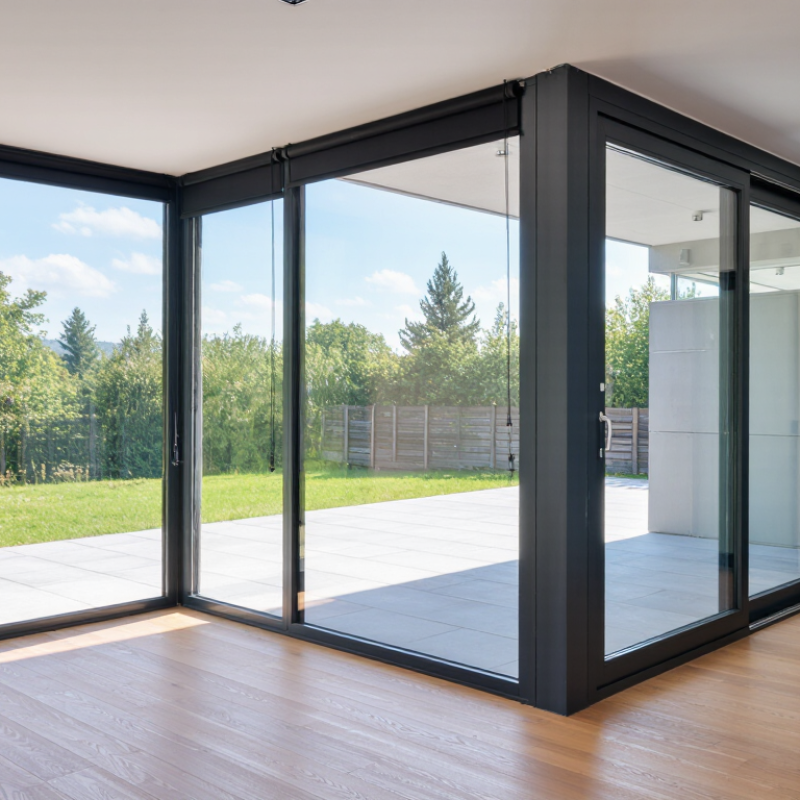
Before comparing aluminium doors and windows, define what each opening needs to do. Will a window provide ventilation, daylight, or a clear view of the garden? Does a door need to accommodate frequent foot traffic, a threshold, or furniture moving through? Write down these practical requirements for every room. Small details matter.
Measure each opening in several places. Record the width at the top, middle, and bottom, then the height at the left, centre, and right. Note every measurement, rather than choosing one too soon. Measure twice. Openings can be slightly out of square, especially in older homes. Check both diagonals and record sill depth, wall thickness, and any visible obstructions, such as pipes or trim. Take clear photos and label them by room. A neat note like “kitchen, garden side” is more useful than a list of unlabeled numbers.
Be clear about what you measured: the existing frame, the clear opening, or the structural opening. These are not always the same. Ask the installer or supplier which dimensions and fitting allowances they need before ordering; installation methods vary. It is tempting to rush through this step, particularly when rooms look identical. They may not. Include how each unit should open and which way it should swing, then flag uncertain measurements for a site check.
Compare the complete frame profile, not just its visible face. A narrow sightline can look elegant, but may leave less room for reinforcement or drainage. Ask for section drawings, wall thickness, sash depth, and hardware clearances. Architectural extrusions commonly use 6063 alloy; 6061 may suit applications needing greater strength. Temper matters too. Request alloy and temper documentation, such as a mill certificate, rather than relying on “heavy-duty” wording. ASTM B221 specifies requirements for extruded aluminum-alloy products. Good profiles should also resist racking and drain water without trapping grit.
U.S. DOE Energy Saver attributes 25–30% of home heating and cooling energy use to window heat gain and loss. That makes thermal breaks worth checking. A continuous polyamide strip separates interior and exterior aluminum, reducing heat transfer through the frame. Compare certified whole-window U-factors, not frame claims alone; lower values indicate better insulation. Check whether the test covers the same glazing and opening style you plan to buy. Small details matter. A thermal break cannot compensate for poor installation, and an impressive specification can still disappoint if the seals or drainage are weak. Ask how the corners are joined and where water exits.
Tip 1 Check the glazing before comparing frame finishes. Double glazing can reduce heat transfer, while low-emissivity coatings help limit unwanted heat gain or loss. Ask for the glass’s U-factor and solar heat gain coefficient, then compare them with your climate and window orientation. A sunny west-facing room may need different glazing from a shaded north-facing one. Small details matter.
Tip 2 Look beyond a product’s energy rating. Aluminium conducts heat, so a thermal break between the inner and outer frame can improve insulation. Ask how the complete window performs, not just the glass. Check that seals sit evenly and that opening sashes close without rubbing. A strong rating is useful, but installation gaps can undermine it.
Tip 3 Match weather resistance to your site. For exposed homes, ask for tested air, water, and wind performance, and check the drainage paths in the frame. These small channels help water escape instead of collecting near the sill. Near the coast, suitable finishes can help resist corrosion. Ask for test documentation. Then consider whether the rating fits your actual exposure; a sheltered garden wall and a wind-facing upper floor are not the same. The numbers can feel reassuring, but they need context.
When comparing aluminium doors and windows, inspect the locking points rather than relying on a sales description. A multipoint lock should engage smoothly along the frame, and the handle should return without sticking. Try it yourself. Check hinge fixings, restrictors, and the strength of the keeps—the metal plates that receive the lock bolts. For glazed areas, ask what glass specification is included and how it is secured in the frame. These details vary by opening size and location, so avoid assuming that one setup suits every room.
Hardware deserves a close look, too. Open and close each unit several times; listen for scraping and feel for uneven resistance. Ask whether hinges, screws, and handles are suitable for the window’s exposure to rain and coastal air. Small details matter. Installation quality can undo good product choices: frames should sit square, be firmly anchored, and have consistent gaps around the edges. Seals should meet evenly, with no visible daylight or loose corners. A neat finish is reassuring, but it is not proof of correct fixing. Ask the installer how the frame will be shimmed and sealed, and request a written description of the work. One easy mistake is judging only by appearance; a door may look aligned yet catch after the temperature changes. Check its operation again before sign-off.
| Tip | What to Check | Why It Matters | Practical Buying Check |
|---|---|---|---|
| 1. Check the locking system | Inspect the lock type, locking points, keep plates, and how securely the door or window closes into its frame. | A compatible, properly fitted lock helps resist forced entry and supports reliable everyday operation. | Ask for the lock specification and confirm that the handle, cylinder, frame, and locking points work together. |
| 2. Examine handles, hinges, and other hardware | Look for sturdy, correctly aligned hardware, secure fixings, smooth movement, and hinges suited to the sash or door weight. | Well-matched hardware helps prevent sagging, sticking, and premature wear. | Operate each sample several times and ask how the hardware can be adjusted or replaced if needed. |
| 3. Review the glazing and glass specification | Check the glass type, thickness, safety-glazing requirements for the location, and how the glass is retained in the frame. | The right glazing can support safety, thermal comfort, noise reduction, and resistance to impact. | Request written glass specifications and verify local safety-glazing rules for doors and nearby areas. |
| 4. Assess the aluminium frame and finish | Check for straight, undamaged profiles, neat corner joints, an even finish, and thermal breaks where thermal performance is important. | Frame construction affects strength, weather performance, appearance, and heat transfer. | Ask for product performance information and inspect a sample for dents, sharp edges, or inconsistent coating. |
| 5. Inspect seals and drainage details | Look for continuous, undamaged weather seals and clear drainage paths designed to direct water out of the frame. | Effective sealing and drainage help limit drafts and water entry when the product is correctly installed and maintained. | Ask how seals are replaced and ensure drainage openings will not be blocked by the installation. |
| 6. Confirm installation quality and scope | Check that the quote covers accurate measurement, suitable fixings, secure anchoring, level and square positioning, sealing, and finishing. | Even a well-made product can perform poorly if it is fitted out of alignment or inadequately sealed. | Get the installation method and responsibilities in writing, including who handles making good around the opening. |
| 7. Review testing, warranty, and aftercare | Request relevant performance documentation, clear warranty terms, maintenance guidance, and a process for reporting defects. | Written information helps you compare products fairly and understand what is covered after installation. | Check what is covered, how long coverage lasts, and whether product and installation coverage have different terms. |
A low purchase price can hide expensive gaps in warranty coverage. Check whether the frame, finish, seals, glass, and hardware have separate terms. Ask what voids coverage, including coastal exposure, poor drainage, or unapproved cleaning products. Small print matters. Keep the dated quote and care instructions with your records.
Aluminium needs little upkeep, but it is not maintenance-free. Rinse dusty frames with water and mild soap, then check drainage slots for leaves or grit. Inspect seals and hinges twice a year, especially after harsh weather. Use only care products recommended in the documentation. Neglected tracks can trap water and strain moving parts. It happens.
Compare total costs, not just the frame price. Include installation, glazing, thermal breaks, trims, removal of old units, and future hardware service. Ask for itemized quotes based on the same opening sizes and glass specifications. A longer warranty may offer useful protection, but its exclusions and service process matter more than the headline duration. Exact lifetime costs are hard to predict; local weather and installation quality can change the picture. That uncertainty deserves a line in your budget.
List each opening’s purpose, such as garden views, fresh air, or frequent foot traffic. Include swing direction and furniture access.
Record width at the top, middle, and bottom, and height on both sides and centre. Measure twice. Check diagonals, sill depth, and wall thickness.
Clarify whether you measured the existing frame, clear opening, or structural opening. Ask what fitting allowances are needed. Photos help, too.
Ask about double glazing, low-emissivity coatings, U-factor, and solar heat gain. A sunny west-facing room may need different glass than a shaded room.
Aluminium conducts heat. A thermal break can improve insulation, but ask how the complete window performs, including seals and installation.
Request tested air, water, and wind performance. Check drainage channels and suitable finishes, especially for exposed or coastal locations. Ratings need context.
Review separate coverage for frames, finishes, seals, glass, and hardware. Check exclusions, service steps, and required cleaning products. Small print matters.
Include installation, glazing, removal, trims, and future hardware service. Rinse frames with mild soap and clear drainage slots. I may still miss a cost.
Buying Aluminium Doors And Windows starts with understanding your needs and measuring every opening carefully, so the products suit your home and fit as intended. Compare frame profiles and aluminium grades, and consider thermal breaks, which can help limit heat transfer. Look beyond appearance to assess glazing, energy efficiency, and resistance to wind and rain, choosing options appropriate for your local conditions.
Security and long-term value matter too. Check the locking features, hardware quality, and the installer’s experience, since careful installation affects performance and durability. Before making a decision, review warranty coverage, expected maintenance, and the total cost, including installation and any future upkeep. Comparing these factors together can help you choose doors and windows that balance comfort, security, appearance, and dependable performance.