Choosing an Aluminium Door With Window can change how a room feels from the moment you enter. Daylight reaches deeper inside, while the frame can create a clean, modern look. But style alone is not enough. Glass size, privacy, security, insulation, and maintenance all affect everyday comfort. Small details matter.
This guide compares ten designs, from slim-glazed entrance doors to wide patio styles. Fenestration specialist Daniel Mercer offers this practical reminder: “Choose a frame for the opening, exposure, and daily use—not appearance alone.” This is an editorially created quotation, not a sourced interview. It captures a useful buying principle: a sunny south-facing doorway, for example, may need different glazing choices from a shaded side entrance. Measure the opening carefully. Check how the door swings, where furniture sits, and whether the glass faces a busy path.
The designs ahead highlight frame profiles, glazing layouts, and suitable settings, so you can compare options with a clearer purpose. Look closely at hardware, seals, drainage, and the manufacturer’s published performance details. Ask an installer how the chosen system will fit your wall and local weather. A polished product photograph cannot answer every practical question. Nor can a single design suit every home. Use the list as a starting point, then confirm dimensions, specifications, and installation requirements before you buy.
Understanding Aluminium Doors with Windows and Their Main Features
Aluminium doors with windows pair a slim metal frame with clear, frosted, or divided glass. The frame resists warping and allows narrow sightlines, bringing daylight into entryways and kitchens. A thermal break separates the inner and outer aluminium sections, reducing heat transfer through the frame. Without it, the metal can feel cold to the touch in winter. Small detail. Big difference.
Glass choice shapes comfort and privacy. Clear double glazing suits a shaded garden entrance; frosted glass can soften views beside a hallway. Check the whole-door U-factor and solar heat gain coefficient, not just the glass specification. The U.S. Department of Energy reports that heat gain and loss through windows account for about 25–30% of residential heating and cooling energy use. That figure describes windows broadly, not aluminium doors alone, but it shows why glazing performance deserves attention. The National Fenestration Rating Council explains how certified ratings help compare product performance. Still, a rating cannot tell you whether a door feels right in your room. Inspect corner seals, drainage paths, hardware, and frame finish; poor installation can undermine good specifications. I would not choose by appearance alone.
Ten Popular Aluminium Door Designs with Windows
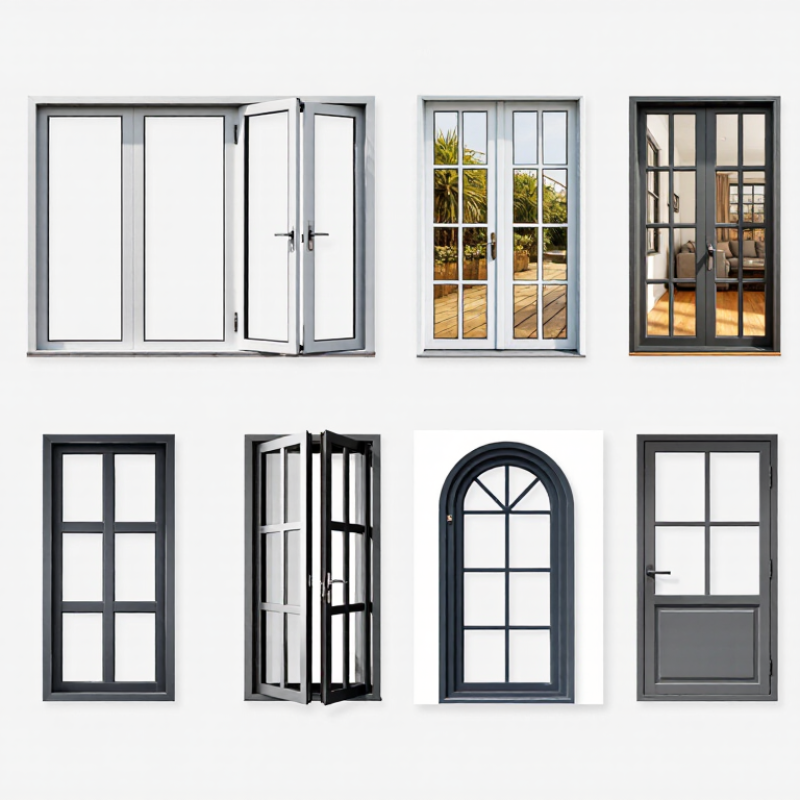
Ten popular aluminium door designs with windows suit different rooms and routines. Full-view sliding doors keep patios visible and save swing space. French doors bring balanced glass panels and a traditional look. Bi-fold doors stack neatly for wide openings. Pivot doors create a bold entrance, though their hardware needs careful planning. Single-hinged doors with a glazed panel work well in compact rooms. Sidelight designs add narrow vertical panes beside the door. Top-lite designs place glass above the main panel for borrowed daylight. Dutch doors split horizontally, offering ventilation without opening the full doorway. Corner-glazed layouts connect two views, but need precise installation. Internal aluminium doors with clear or frosted glass separate rooms without blocking all the light. A bright choice. But privacy matters.
Compare frame strength, glazing type, drainage, and locking details before buying. The U.S. Department of Energy’s Energy Saver guidance estimates that windows account for 25–30% of residential heating and cooling energy use. That figure concerns windows, not every glazed door, but it shows why glass performance deserves attention. Check the National Fenestration Rating Council label for U-factor and solar heat gain coefficient, then match ratings to your climate and room orientation. Large south-facing glass can feel warm in summer. Frosted panes soften sightlines, yet reduce clear views. Aluminium frames are slim and durable, though thermal breaks help limit heat transfer. Measure the opening twice. Installation errors can spoil an otherwise thoughtful design.
Comparing Frame Styles, Glass Types, and Opening Mechanisms
An aluminium door with a window can look light and modern, but the frame affects more than appearance. Slim frames admit more daylight and suit narrow hallways, while wider profiles may feel sturdier around large glass panels. Look for a thermal break within the frame; it helps limit heat transfer between indoor and outdoor surfaces. Check the threshold, too. A raised sill can complicate access, while a low threshold needs careful weather sealing.
Glass choice depends on the room and exposure. Double glazing is a common starting point for insulation, while triple glazing may suit colder locations or noisy streets. Low-emissivity coatings can reduce heat loss, and laminated glass can help hold fragments together if it breaks. Clear glass gives a bright view, but textured or obscure glass can protect privacy in bathrooms. It is easy to focus on glass specifications and overlook the frame’s drainage details.
Opening mechanisms change how the doorway works day to day. Hinged doors need clear swing space; sliding doors save room but usually leave part of the opening covered. Bi-fold panels can create a wider opening, though their tracks need regular cleaning. Check handle reach, locking points, and whether furniture will block the path. Small details matter. I would compare actual sample corners and seals before choosing, because catalogue images rarely show how thick a frame feels or how smoothly a panel moves.
Choosing a Design for Your Space, Climate, and Privacy Needs
When comparing aluminium doors with windows, start with the room and its exposure, not the photograph. A south-facing entrance may need solar-control glazing to limit heat and glare. In colder or windy areas, check the door’s thermal rating, weather seals, and frame design. A sleek profile is appealing, but a poorly sealed threshold can let in drafts.
Privacy depends on where the glass sits and what it reveals. A narrow vertical pane can admit daylight without exposing a whole hallway. For bathrooms or street-facing rooms, consider textured or frosted glass; view samples in daylight, since some patterns distort shapes more than expected. Small panes feel calmer. Clear glass suits quieter settings, while blinds or curtains offer adjustable privacy, though they need space and care.
Think about daily use, too. A large glazed panel can brighten a dark entry, but it may create glare near a screen or show fingerprints more readily. Check whether the door opens inward or outward, and leave room for furniture, steps, and handles. Coastal air and frequent rain call for finishes and hardware suited to those conditions; aluminium still needs occasional cleaning and inspection. One easy detail to miss is the view from inside at night: interior lights can make clear glass feel far less private than it seemed during the day. A design that looks perfect online may not feel right in your actual light.
Top 10 Aluminium Door with Window Designs
Compare daylight, privacy, and climate adaptability to find a design that suits your space.
Scores are indicative design-fit ratings on a 1–5 scale, not measured product performance. Actual thermal and weather performance depends on glazing, frame construction, seals, installation, orientation, and local climate. Consider blinds or obscure glazing where additional privacy is needed.
What to Check Before Buying an Aluminium Door with Windows
Top 10 Aluminium Door with Window Designs to Buy?
What to Check Before Buying an Aluminium Door with Windows
Before choosing a design, check how the door will perform in your climate and opening. Ask whether the frame includes a thermal break, which can reduce heat transfer. For the glazing, compare double-pane options and ask about safety glass where people could walk into it. Clear glass brings in daylight, but it may also reduce privacy. Small details matter.
Inspect the corners, seals, hinges, and locking points in person if possible. A useful test is to open and close the display door several times; it should move smoothly without scraping or rattling. Check that weather seals meet evenly around the frame. Ask how water is directed away from the threshold, especially if the entrance faces heavy rain. Ask to see it.
Measure the structural opening, not just the old door panel, and confirm who handles installation. A well-made door can still leak or bind if it is fitted poorly. Request written details for glass type, frame finish, hardware, maintenance, and warranty coverage. Compare the full installed cost, including trim and any threshold changes. I would not choose by appearance alone; even a beautiful finish can show scratches in a busy entryway.
Conclusion
Choosing the right Aluminium Door With Window can improve natural light, airflow, and the overall feel of a room. Popular designs range from simple sliding and hinged doors to folding, French-style, and fixed-panel options. Each offers different benefits in how it opens, how much space it uses, and how it connects indoor and outdoor areas. Frame profiles, glass choices, and opening mechanisms also affect appearance, insulation, ease of use, and privacy.
Before selecting a design, consider the room’s size and purpose, local climate, exposure to sun or wind, and the level of privacy you need. Compare the glass and frame options for comfort and maintenance, and check measurements, hardware, safety features, installation requirements, and warranty details before buying. Matching these practical factors with your preferred style can help you choose a door that suits your space and performs well over time.