Aluminium Sliding Window designs are popular because they combine clear views with a practical opening style. Their panels slide sideways along a track, so they do not swing into a room or onto a patio. That can make a real difference beside a dining table, a narrow balcony, or a kitchen counter. Slim aluminium frames also leave more glass visible, bringing daylight into spaces that might otherwise feel enclosed. The effect is simple. A room can feel brighter and more connected to the outdoors.
Looks alone do not explain their appeal. Aluminium is strong relative to its weight, allowing frames to support broad panes when properly designed. Sliding windows are also straightforward to use, and their smooth movement suits rooms where space is limited. Yet popularity is not proof of suitability. Sliding panels usually open only part of the window at a time, and tracks can collect dust or grit. Poor sealing or installation may also lead to draughts, noise, or water problems. Small details matter.
This article explores the practical reasons homeowners choose aluminium sliding windows, including space efficiency, appearance, durability, and maintenance. It also considers glazing, thermal breaks, hardware, and installation quality, since these choices affect comfort and performance. A large pane may brighten a room, but it can also feel exposed without thoughtful placement or shading. The right option depends on the room, local conditions, and priorities—not just the frame material.
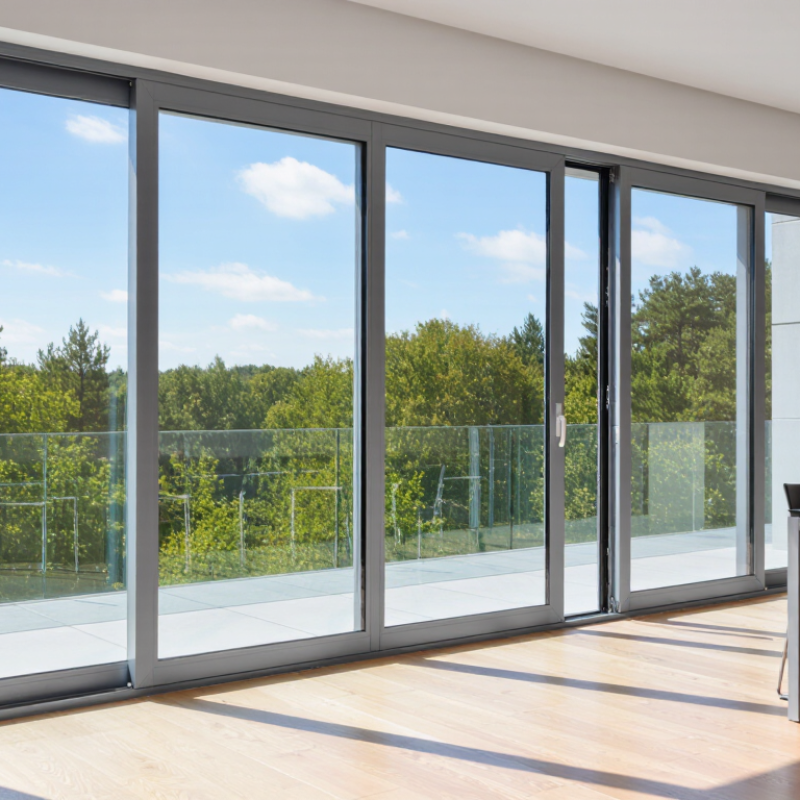
An aluminium sliding window is a system of four working parts. The frame is fixed to the opening, while the sash carries the glass and slides sideways. Rollers beneath the sash move along tracks in the sill. A brush seal or gasket helps limit drafts where the panels meet. Small parts matter.
Aluminium is strong and allows relatively slim sightlines, but it conducts heat readily. A thermal break—a non-metal section between the frame’s inner and outer faces—reduces heat transfer. The U.S. Department of Energy’s Energy Saver guidance estimates that windows account for about 25–30% of residential heating and cooling energy use. That figure is a broad estimate, not a prediction for every home. Climate, installation, frame design, and glazing all affect performance.
Glazing may be single-pane or an insulated glass unit with two panes and a sealed gap. Low-emissivity coatings can further limit heat flow, while the gap may contain air or another insulating gas. Check the National Fenestration Rating Council label for U-factor and solar heat gain coefficient; these ratings help compare products under consistent testing. Check the label. Tracks also need occasional cleaning, since grit can hinder rollers and wear seals. A slim frame looks simple, but performance depends on the details—and a good specification can still be poorly installed.
Why Are Aluminium Sliding Windows So Popular?
Aluminium sliding windows are popular because their frames can look slim while supporting broad panes of glass. Aluminium has a density of about 2.7 g/cm³, so a given volume weighs much less than steel. That low density can help keep frame sections manageable during transport and installation. But density alone does not tell you how strong a frame will be. Shape matters.
Designers balance profile depth, wall thickness, alloy, and reinforcement against the window’s size and expected loads. A deep, well-shaped profile can resist bending better than a flat strip of the same material. Sliding windows also need sturdy tracks and rollers, especially when large glass panels make the sash heavy. The frame is only part of the load. It is easy to overlook that detail. Thermal breaks may also be needed to reduce heat transfer through the metal.
Tips: Ask for the sash weight and check that the rollers suit it. Look closely at corner joints and drainage openings. For a wide opening, compare frame stiffness and glass specifications, not density alone. Small details matter. And measurements on site are worth repeating; a slightly uneven opening can complicate smooth sliding.
Aluminium’s density is about 2.7 g/cm³—a useful consideration when designing slim, durable window frames.
Typical material densities are approximate: uPVC varies by formulation, aluminium by alloy, and steel by grade. Density alone does not determine frame weight; hollow profile design and dimensions also matter.
In aluminium sliding windows, a thermal break is a low-conductivity strip placed between the inner and outer frame sections. It slows heat moving through the metal, which can otherwise become hot in summer and cold in winter. The frame may look slim, but its connection to the glass still matters. A lower U-factor generally means less heat transfer through the complete window. Check the rated assembly, not just the centre of the glass. Small details count.
U-factor does not tell the whole story. Glass type, frame design, edge spacers, weather seals, and installation all affect real performance. On a cold morning, a poorly sealed slider may feel chilly near the track, even when its glass has a good rating. That matters. Compare ratings measured under the same standard, and consider your local climate and window size. It is easy to overread one number; even a strong thermal break cannot fix gaps left during installation. A practical choice balances heat control, smooth operation, and a well-sealed frame.
Aluminium sliding windows are popular because their panels move sideways along horizontal tracks. They do not swing into the room, so a sofa, desk, or bedside table can sit close to the opening. On a narrow balcony, that clearance matters. Clear floor space is useful every day.
The U.S. Department of Energy’s Energy Saver guidance estimates that windows account for about 25–30% of residential heating and cooling energy use. That figure is a reminder: saving interior space should not mean ignoring glass performance. The National Fenestration Rating Council’s ratings let buyers compare U-factor and solar heat gain coefficient, rather than judging a window by frame material alone. Check those values alongside track quality and weather seals. A sliding panel can feel effortless in a showroom, yet drag if debris builds up in its track. A small drawback, perhaps, but real. Regular cleaning helps, and careful installation still matters.
| Dimension | Aluminium Sliding Windows | Practical Effect |
|---|---|---|
| Opening movement | One sash slides horizontally past another on tracks. | The sash does not swing into the room or outward across a patio or walkway. |
| Interior clearance | No arc of movement is needed in front of the opening. | Furniture, window coverings, and circulation routes can be planned closer to the window, subject to handle and access needs. |
| Ventilation area | In a common two-panel design, only one panel opens at a time. | The usable opening is generally less than the full frame width; the exact area depends on the design. |
| Frame and sash material | Aluminium is a rigid, relatively lightweight metal commonly used for window frames. | Its strength can support slim frame profiles, although profile size and sightlines vary by system. |
| Daylight and views | Large glazed panels are commonly available in sliding configurations. | A broad glazed area can admit daylight and provide a wide view; the centre frame and meeting rails still interrupt the view. |
| Weather and air sealing | Sliding sashes typically use weather seals and interlocking meeting rails. | Performance depends on the window’s design, installation, adjustment, and maintenance; sliding systems are not automatically airtight. |
| Thermal performance | Aluminium conducts heat, so thermally improved designs may use a thermal break between interior and exterior frame sections. | Check the complete window’s tested energy ratings rather than judging performance by frame material alone. |
| Everyday operation | The sash moves along rollers or other track hardware. | Keeping tracks clear of dirt and debris helps the sash move smoothly; hardware may need adjustment or replacement over time. |
| Common applications | Often used where a clear floor area or unobstructed exterior path is desirable. | Suitable for many living spaces, balconies, and patios when the opening size, ventilation needs, and local requirements are considered. |
| Key limitation | The sliding panels overlap, and not every panel opens independently in a basic configuration. | Choose the panel arrangement based on the required clear opening, ventilation, access, and safety needs. |
Note: Actual opening sizes, weather resistance, thermal performance, and operating hardware vary by window design and installation.
Aluminium sliding windows are popular for their slim frames and smooth operation. Their appeal also has an environmental dimension: aluminium can be recycled repeatedly without losing its fundamental material properties. Recycling typically requires about 5% of the energy used to produce primary aluminium from ore, though actual figures vary by process and material quality. That is a substantial difference.
For a window frame, recycling begins long after installation. The aluminium must be removed, separated from glass, seals, coatings, and hardware, then sorted and processed. Clean, well-sorted scrap is more useful to recyclers. It still takes energy. It is not effortless.
This energy advantage can make recycled aluminium a meaningful part of a lower-impact building choice, especially when frames are designed to last and can be recovered at renovation. Yet the 5% figure describes reprocessing energy, not the total footprint of making and installing a window. Glass production, transport, finishing, and maintenance also matter. Even a durable frame can be difficult to recycle if its parts are tightly bonded or poorly identified. That detail deserves more attention.
Their slim-looking frames can support broad glass panes. Panels slide sideways, saving room for furniture. Handy in tight spaces.
No. Aluminium’s density is about 2.7 g/cm³, but strength depends on profile shape, wall thickness, alloy, and reinforcement. Shape matters.
Ask for the sash weight and confirm the rollers suit it. Check track strength, corner joints, drainage openings, and glass specifications.
It separates inner and outer frame sections with a low-conductivity strip. This slows heat moving through the metal. Not a complete fix.
It generally means less heat passes through the complete window. Compare whole-window ratings measured under the same standard. It is easy to overread one number.
No. Seals, edge spacers, frame design, and installation also matter. A leaky track can feel chilly on a cold morning.
Their panels move along horizontal tracks instead of swinging inward. A sofa or desk can sit close to the opening.
Clean debris from the tracks and check the installation. A panel may drag even if it felt smooth in a showroom.
An Aluminium Sliding Window is built around a frame, movable sashes, horizontal tracks and glazing. These parts work together to support the glass and allow the sashes to slide open and closed. Aluminium’s density of about 2.7 g/cm³ is an important design consideration: the frame needs to be strong enough to support the glazing while keeping its proportions and operation practical.
Sliding windows move along tracks rather than swinging into a room, so they need no interior clearance for an opening sash. This can make them a useful choice where floor space or furniture placement matters. Aluminium conducts heat readily, so thermal breaks in the frame can help limit heat transfer; the window’s overall U-factor also helps indicate how effectively it manages heat flow. At the end of its service life, aluminium can be recycled using about 5% of the energy required to produce primary aluminium, giving the material a notable energy-recovery advantage.