Aluminium Windows Prices can seem surprisingly high when a basic frame looks simple. The finished window is more than aluminium shaped to fit an opening. Its cost may include the alloy profile, thermal-break material, glazing, seals, hardware, surface finish, and careful assembly. Larger panes or unusual shapes can add further expense. So can custom colours and upgraded locks.
As an illustrative industry perspective, fenestration specialist Alex Morgan might put it this way: “A window’s price reflects the performance built into the frame, glass, and installation—not just the visible aluminium.” This is a sample expert-style quotation, not a verified statement from a named source. For a reliable estimate, compare written specifications, not headline prices alone. Check the glass type, frame depth, finish, hardware, delivery, and installation scope. Ask whether the quote includes measuring and sealing. Those details matter.
There is no single price that suits every home. A standard opening in a mild climate may need a different specification from a broad, exposed window facing strong winds. Local labour, transport, and supplier options also affect the final figure. Sometimes a higher quote reflects better components; sometimes it reflects a different scope. That distinction is easy to miss. And buyers can miss it. Compare like for like, then ask the supplier to explain any unclear line item. Even then, the comparison may not be perfect. Installation quality and long-term upkeep deserve attention too.
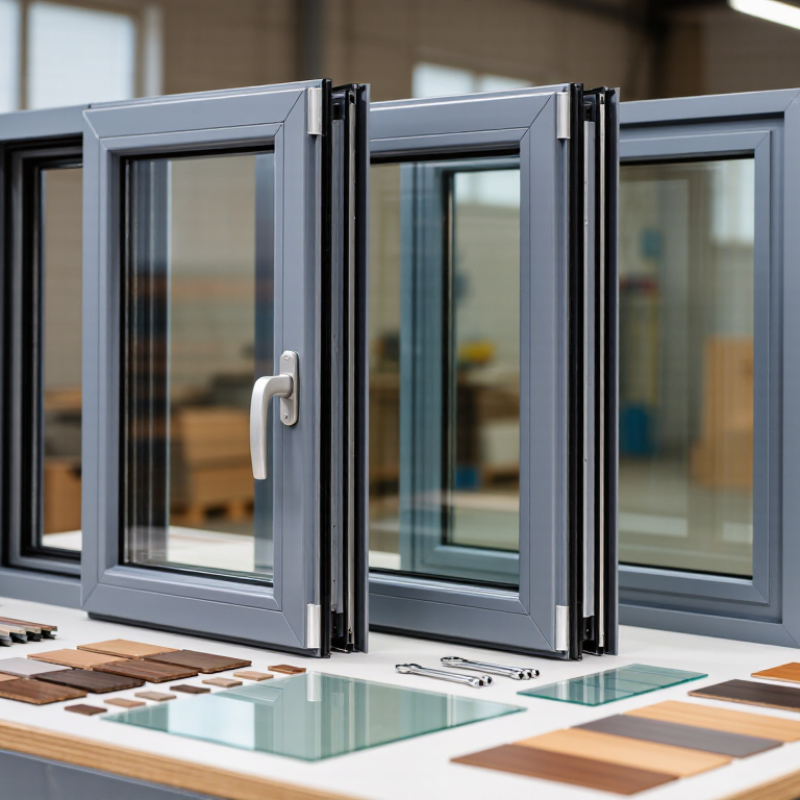
What Determines the Base Cost of Aluminium Windows?
The base cost of an aluminium window starts with its frame, but raw metal is only part of the bill. The USGS Mineral Commodity Summaries 2024 put the estimated average U.S. aluminium price at about $1.53 per pound in 2023. That is a useful market reference, not a window-price formula: extrusion, cutting, machining, and waste all add cost. Thicker profiles and larger openings use more material. Complex shapes also require extra fabrication. Small details count.
Glass and thermal design can shift the price just as much. A double-glazed unit, low-emissivity coating, or gas-filled cavity costs more than basic glass; heavier panes may need stronger framing. The U.S. Department of Energy estimates windows account for about 25–30% of residential heating and cooling energy use, which helps explain why buyers pay for better-performing glazing. Hardware, drainage channels, powder-coated finishes, and custom colours add further costs. Installation is often quoted separately, so compare what each estimate includes. One awkward truth: supplier quotes rarely itemise every fabrication step, making exact comparisons difficult. Ask for frame dimensions, glass specification, finish, and installation scope in writing. The raw aluminium figure alone tells very little.
How Material Quality and Manufacturing Shape the Price
Aluminium windows can seem expensive because the price reflects more than the metal itself. Alloy quality, profile thickness, and thermal-break design all affect material costs and performance. A well-designed thermal break separates the inner and outer aluminium sections, helping reduce heat transfer. Better seals and durable hardware also add cost, but they influence comfort and how smoothly a window operates over time. Cheap-looking differences can be hard to spot.
Manufacturing precision matters just as much. Profiles must be cut accurately, corners joined firmly, and finishes applied evenly. A small alignment error can make a sash harder to close or leave uneven gaps. Custom sizes, complex opening styles, and careful quality checks require more labor and equipment. It is tempting to judge price by frame appearance alone. That misses what sits inside the profile and how consistently each unit is made. Still, a higher quote is not automatically proof of better quality.
Tips: Ask what alloy, profile depth, thermal-break design, finish, and hardware are included. Compare the same window size and opening style across quotes. Request clear details on testing and warranty coverage. The specifications matter.
Why Are Aluminium Windows Prices So High? - How Material Quality and Manufacturing Shape the Price
The figures below are indicative UK supply-only prices in pounds sterling for residential aluminium windows. They are broad estimates, not quotations; dimensions, glazing, opening style, location and supplier can substantially change the price.
| Specification or cost factor |
Typical example |
Indicative supply-only price |
How it affects the price |
| Standard-size casement |
Around 1,200 × 1,200 mm, double-glazed, standard finish |
£500–£900 |
A useful baseline; the actual specification and opening configuration affect the final price. |
| Thermally broken frame |
Aluminium profiles with an insulating barrier between the inner and outer sections |
Often £650–£1,200 for a similar window |
The added profile design and components help reduce heat transfer through the frame. |
| Larger or made-to-measure window |
Non-standard dimensions or a wider frame span |
Commonly £800–£1,500+ |
More aluminium and glazing are required; unusual sizes may also involve extra design and fabrication work. |
| Triple glazing |
Three panes with two sealed cavities, subject to frame compatibility |
Usually more than an equivalent double-glazed unit |
The extra glass and heavier unit can require stronger components and suitable hardware. |
| Special colour or finish |
Non-standard powder-coated colour or different interior and exterior finishes |
May cost more than a standard finish |
Additional coating choices and separate finishes can add processing and handling. |
| More complex opening style |
Tilt-and-turn, multiple opening sections or integrated opening lights |
Typically higher than a comparable simple fixed or casement window |
More hardware, machining and assembly steps can increase manufacturing cost. |
| Installation |
Removal of an old unit, fitting, sealing and finishing |
Often an additional £150–£400+ per window |
Labour, access, waste removal and the condition of the opening determine the installation cost. |
Price ranges are indicative UK market estimates and can vary by region and specification. Compare quotations using the same dimensions, glazing, finish, hardware, delivery and installation scope.
Which Designs and Performance Features Add to the Cost?
Price often rises when a design demands more than a standard rectangular frame. Large picture windows need profiles strong enough to support heavy glass and resist wind pressure. Achieving very slim sightlines can require tighter engineering tolerances and more careful fabrication. Corner windows, curved heads, and oversized sliding panels also add complexity. Small details matter.
Performance features affect both materials and production. A thermal break separates the inner and outer aluminium, helping limit heat transfer. Low-emissivity glass, gas-filled double glazing, or triple glazing can improve insulation, but each changes the glass specification and weight. Laminated glass may help reduce outside noise, though it can require stronger hardware. Better seals and drainage details also support weather resistance.
The right specification depends on the room and exposure. A quiet bedroom beside a busy road may benefit from acoustic glass; a sheltered utility room may not need it. It can be tempting to request every upgrade, but that is not always sensible. Compare whole-window performance figures, not glass claims alone. Opening size, access for installers, and the condition of the surrounding wall can also affect the final quote. Sometimes the most expensive option solves a problem the building does not have.
How Installation and Local Conditions Affect the Final Price
A window quote covers more than the aluminium frame and glass. Installation can account for a substantial share of the final cost, especially when openings are difficult to reach. A ground-floor replacement is usually simpler than fitting windows on an upper level above a narrow path. Scaffolding, lifting equipment, and extra labour can all affect the estimate. Access matters.
The condition of the existing opening also changes the work involved. Installers may find uneven brickwork, damaged timber, or gaps hidden behind old trim. These issues can require careful repairs before a new frame can be sealed properly. Skipping that preparation may invite drafts or water leaks later. A detailed site inspection helps reveal such problems, though it may not catch everything.
Local conditions influence both materials and scheduling. Coastal air can speed corrosion of unsuitable fittings, while exposed, windy sites may call for stronger glass or more robust fixing details. In colder areas, installers need to pay close attention to insulation around the frame. Delivery distance, parking restrictions, and seasonal demand can add costs too. Ask for labour, removal, repairs, and finishing to be listed separately in the quote. Then compare the same scope across estimates. I would not treat the cheapest figure as the best value; still, a higher quote should explain exactly what extra work it includes.
Why Are Aluminium Windows Prices So High?
Illustrative example, not a market average: The estimated installed cost is US$1,000 per m². The final price depends on the window specification and local conditions. Custom sizes, difficult access, removal of old frames, site preparation, and local labor or delivery costs can increase the installation portion of a quote.
How Long-Term Costs Compare With Other Window Materials
Aluminium windows often cost more upfront than uPVC options, while timber frames may sit in a similar or higher price range. Over time, the comparison changes. Aluminium frames resist warping and usually need only occasional cleaning and hardware checks. Timber can require repainting or resealing, especially around exposed edges. Lower maintenance helps, but it does not erase the initial price gap overnight.
Energy bills depend more on the complete window than on the frame alone. Thermal breaks, quality glazing, and careful installation all matter. A poorly sealed aluminium window can still create chilly drafts beside a sofa. In a mild climate, the energy savings may be modest; in a colder one, better glazing can make a noticeable difference. Coastal air also deserves attention, since finishes and hardware may need more frequent inspection. Long service life is possible, not automatic.
Tips: Compare whole-life estimates, not just quotes. Ask about frame insulation, glass performance, installation, and warranty terms. Check cleaning and repair needs for each material. Keep a small maintenance budget. It is easy to assume aluminium will always be the cheaper choice over time, but local climate and workmanship can overturn that assumption.
Conclusion
Aluminium Windows Prices are shaped by more than the size of the frames. The base cost depends on how many windows are needed, their dimensions, frame specifications, and the quality of the aluminium. Manufacturing choices, including frame thickness, finish, and precision, can also affect the price. Designs with larger glass areas, custom shapes, slim profiles, or enhanced thermal and acoustic performance may cost more because they require additional materials or more specialized production.
The final price also includes installation, which can vary with the complexity of the project, access to the property, and local labor and delivery costs. Although aluminium windows may require a higher initial investment than some alternatives, their durability and low maintenance needs can reduce ongoing expenses over time. Comparing purchase, installation, and long-term upkeep costs provides a clearer picture of their overall value.