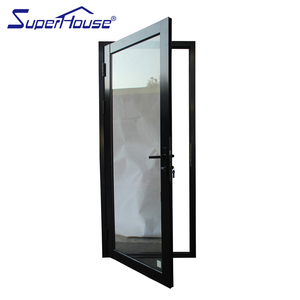
Featured Fenestration Systems
Precision-Engineered Architectural Systems
Explore our certified aluminium systems engineered for rigorous commercial, residential, and coastal applications worldwide.
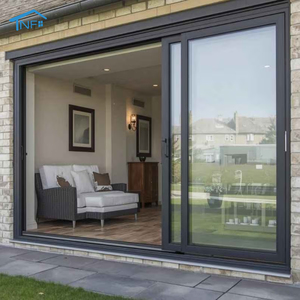
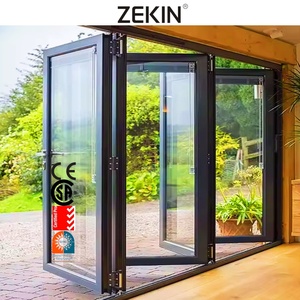
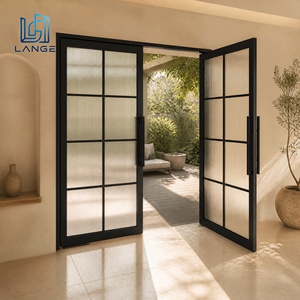
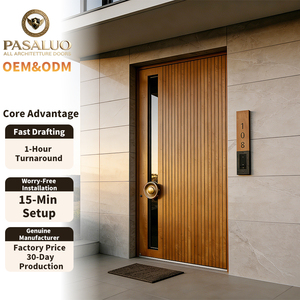
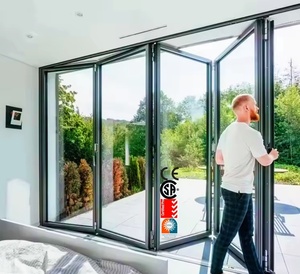
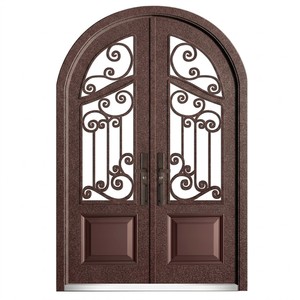
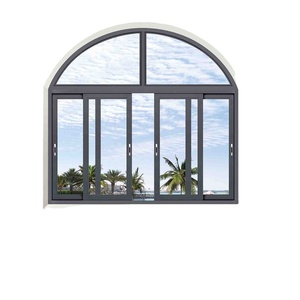
Compliance Deep-Dive
Decoding CE Marking & Structural Fenestration Metrics
Why European standards mandate rigorous Declarations of Performance (DoP) under EN 14351-1 for commercial sliding assemblies.
EN 14351-1 Harmonisation
CE marking on external sliding doors is not simply a decorative badge; it is a legally binding compliance mechanism under Regulation (EU) No 305/2011 (CPR). It obligates suppliers to verify air permeability (EN 12207), water tightness under static pressure (EN 12208), and resistance to positive/negative wind loads (EN 12210).
Without an accredited notified body verification, imported profiles risk immediate customs detention or mandatory remediation at European site handovers.
Polyamide 6.6 Thermal Breaks
Aluminium has an inherently high thermal conductivity (approx. 160-200 W/m·K). To satisfy regional energy conservation mandates such as the German Gebäudeenergiegesetz (GEG) or the UK Building Regulations Approved Document Part L, systems must integrate multi-chambered Polyamide 6.6 with 25% glass fibre reinforcement (PA66-GF25).
This barrier achieves system U-values down to Uw ≤ 0.85 W/(m²·K) when matched with argon-filled low-E insulated glass units (IGU).
Multi-Standard Resilience
DERCHI bridges Continental CE protocols with premier oceanic wind-resistance engineering. Alongside European EN testing, systems undergo ASTM testing for Miami-Dade NOA hurricane impact, as well as the Australian Standard AS 2047 N6 rating (the highest cyclonic threshold).
This structural redundancy ensures that large-span patio panels resist frame deflection even under coastal wind gusts exceeding 250 km/h.
Specification Benchmark
Engineering Benchmark: Standard vs. DERCHI Architectural Series
Direct technical differentiation designed to clarify specification criteria for procurement officers.
| Specification Feature | Generic Market Standard | DERCHI CE Certified Architectural Sliding Systems | Project Execution Impact |
|---|---|---|---|
| Alloy Composition & Temper | Recycled 6063-T5 with variable wall thickness (1.2mm - 1.4mm) | Primary virgin 6063-T6 / 6061-T6 (2.0mm - 3.0mm heavy-duty structural walls) | Prevents sag in oversized 3.5m+ panels; ensures structural stability under high live loads. |
| Thermal Barrier Core | Standard PVC strips or uninsulated pour-and-debridge polyurethane | Multi-chamber PA66-GF25 technoform thermal isolator with aerogel infusion options | Eliminates condensation, prevents thermal bow, and yields Uw values compliant with zero-energy standards. |
| Glazing Tolerances | Double clear temper (4+9A+4) with standard aluminium spacers | Triple Low-E laminated units (6mm Low-E + 16Ar + 5mm + 16Ar + 6mm) with warm-edge composite spacers | Acoustic attenuation up to Rw 44 dB; superior solar heat gain coefficient (SHGC) control. |
| Roller & Track Mechanics | Nylon wheels on extruded aluminium tracks (rated < 150 kg) | Stainless steel SUS304 tandem heavy-duty bogie rollers on integrated CNC stainless track (up to 450 kg per sash) | Effortless fingertip glide, zero track indentation over 100,000+ opening/closing cycles. |
| Weather Sealing System | Single-fin woven mohair wool pile strips | Co-extruded continuous EPDM vulcanised gaskets + magnetic interlock weatherstrips | Certified Class 4 Air Permeability (600 Pa) and Class 9A Watertightness (600 Pa). |
| Surface Coating | Basic powder coat (40-60 microns), prone to chalking near saltwater | Qualicoat Class 2 certified powder coating or 25-micron fluorocarbon (PVDF) 3-coat finish | 30-year resistance to UV chalking, acid rain, and marine microclimate salt-spray degradation. |
Industry Foresight
Procurement & Technological Trends Shaping 2026–2030
Strategic analysis of shifting global building regulations, carbon accounting, and luxury fenestration trends.
Sourcing & Procurement Trajectories
B2B procurement channels are fundamentally shifting away from fragmented multi-vendor logistics toward single-source factory integration:
-
Whole-Envelope Supply Agreements: European and Middle Eastern general contractors increasingly seek turnkey envelope vendors providing exterior sliding systems, entry doors, garage gates, and curtain walls under an identical anodised or powder-coated finish warranty.
-
Carbon Border Adjustment Mechanism (CBAM) Preparedness: With the European Union expanding embodied carbon audits, leading developers demand Environmental Product Declarations (EPDs) demonstrating low-carbon primary smelting and traceable scrap-loop percentages.
-
Shop Drawing Digital Twins: Traditional paper submittals have been superseded by 3D BIM (Building Information Modelling) families, allowing clash detection against structural steel framing prior to factory CNC extrusion milling.
System Evolution & Smart Architecture
Engineering innovations are pushing sliding assemblies toward invisible, motorized building elements:
-
Ultra-Slim Interlock Sightlines (≤ 20mm): Structural glazed sliding panels with hidden outer frames concealed flush within the perimeter dry-lining or stone cladding, maximizing natural daylight.
-
Flush Zero-Threshold Drainage: Eliminating trip hazards via recessed subterranean channel drains that siphon off heavy rain runoff while sustaining Barrier-Free Accessibility (DIN 18040-1/2).
-
Concealed Motorisation & IoT Building Integration: Silent, in-wall brushless servo motors integrated with BACnet or KNX home automation systems, supporting smartphone opening, pinch-protection sensors, and rain auto-close triggers.
Manufacturing Authority
Guangdong Dejiyoupin (DERCHI): Foshan Industrial Base
Recognised among China's Top 10 Door and Window Brands, backing world-class architectural projects for over a quarter of a century.
180,000 m² Automated Manufacturing
Located in Shishan Town, Nanhai District, Foshan — the epicenter of high-end aluminium extrusion. Our advanced facility houses fully automated CNC 4-axis cutting machining centers, automated corner crimping lines, and continuous curing powder coating operations managed by over 600 specialized workers.
Schüco Partner Validation
Our craftsmanship has met the stringent standards required by prominent British building contractors and long-term UK partners of German Schüco systems, who selected DERCHI to manufacture precision entry doors and multi-track sliding facades across multiple luxury villa developments.
CET-Aligned Engineering Desk
Global coordination made simple: our English-speaking engineering division aligns its working schedule with European CET and British GMT hours. We deliver complimentary CAD shop drawings, glass wind-load calculations, and detailed threshold junction details within 24 to 48 hours of initial tender submittal.
Buyer Advisory
Frequently Asked Questions on Aluminium Door & Window Procurement
Direct technical answers addressing structural certification, logistics risks, testing standards, and site integration.
What documents are included to substantiate CE certification under EN 14351-1?
Every DERCHI export consignment destined for European Union member states or the United Kingdom is backed by a project-specific Factory Production Control (FPC) audit log and an official Declaration of Performance (DoP). This file provides verified testing values from accredited laboratories for air permeability (EN 12207), water tightness (EN 12208), wind load resistance (EN 12210), and calculated overall thermal performance (U-values calculated under EN ISO 10077-1/2). This guarantees hassle-free signoff from local building inspectors and warranty insurance providers.
How do you resolve thermal bowing in large, dark-finished exterior sliding doors?
Thermal bowing occurs when direct solar exposure heats an exterior profile face up to 80°C while internal climate control maintains the inner face at 21°C, causing linear thermal expansion differentials. DERCHI counters this phenomenon by using specialized anti-bi-metal polyamide insulating strips (flexible multi-part thermal struts that absorb expansion stress) alongside reinforced corner joints and thicker vertical structural stiles (up to 3.0mm wall thickness). This ensures effortless latching and sliding under extreme temperature variations.
What export packaging measures prevent surface scratches and transit deflection?
Our ocean freight packaging involves a robust five-tier protection protocol. Every extruded surface is wrapped in static-free, low-tack protective film, encased in corner foam protectors, tightly wrapped in pearl cotton padding, and then crated inside fully enclosed IPPC-certified fumigated multi-layer timber or steel-reinforced skeletal boxes. Pre-glazed oversized panels include heavy-duty internal bracing to prevent glass deflection, and desiccant bags are sealed within plastic membranes to prevent moisture condensation during sea voyage temperature changes.
Can your systems integrate smart access control and multipoint locking?
Yes. Our sliding and hinged collections can be specified with German hardware packages (Siegenia, GU, Hoppe) or customized in-house high-security assemblies. Sliding systems feature up to 6-point mushroom cam or hook deadbolts achieving European RC2/RC3 burglar-resistance ratings (EN 1627). Furthermore, our hinged entrance and pivot profiles accommodate concealed electric strikes, motorized drop bolts, biometric fingerprint scanners, keypad panels, and wireless RF integration compatible with smart home architectures.
What is the standard production lead time and delivery schedule to European ports?
Once shop drawings and technical specifications are approved by the client, standard custom fabrication cycles range between 25 to 35 calendar days at our Foshan plant (dependent on custom powder-coat or anodising finishes). Standard ocean freight sailing time to major European hubs—including Rotterdam, Hamburg, Antwerp, and Felixstowe—typically averages 28 to 35 days. We furnish milestone photographic tracking throughout production, pre-shipment video functional testing, and full bill-of-lading (B/L) tracking documentation.