Blog
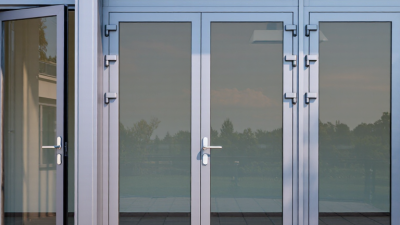
What Is an Aluminum Door and What Types Are Available?
An Aluminum Door is a door system made with aluminum frames, hardware, and usually glass or solid panels. It is valued for its light weight, strength, and resistance to rust. In busy homes, offices, shops, and coastal buildings, aluminum can provide clean lines with relatively low maintenance. Powder-coated finishes can add color and help protect the surface from weather exposure.
It feels light.
However, the frame alone does not determine performance. Glass selection, seals, hinges, locks, drainage, and installation quality also matter. A well-fitted threshold should limit water entry, while properly adjusted rollers should move without scraping or rattling. Thermal-break frames may reduce heat transfer, making them more suitable for energy-conscious buildings. Still, no material solves every problem. Poor drainage or weak hardware can shorten the service life of an excellent frame.
Several types are available for different spaces and movement patterns. Hinged aluminum doors suit entrances and interior rooms. Sliding doors save floor space and often create wider views through large glass panels. Folding or bi-fold systems can open broad connections to patios, restaurants, or balconies. Pivot doors offer a distinctive appearance but require careful structural planning. Storefront and curtain wall systems are commonly used in commercial settings.
The best choice depends on opening size, climate, security needs, accessibility, glazing, and daily use. Details matter. Product specifications should be checked against recognized performance standards and applicable local building requirements. A qualified installer can also verify wall conditions, threshold levels, and hardware compatibility before ordering. Even experienced buyers can overlook these details. This guide explains the main aluminum door types and the practical differences between them.
Read more »
 By:Aurora
- October 14, 2026
By:Aurora
- October 14, 2026
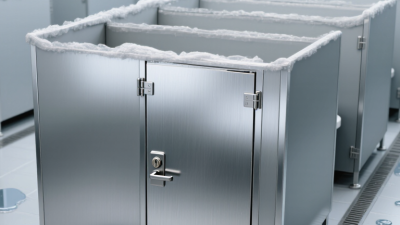
How to Choose an Aluminium Washroom Door in 2026?
Choosing an Aluminium Washroom Door in 2026 requires more than comparing finishes and prices. Washrooms expose every weak detail: persistent humidity, cleaning chemicals, wet floors, and repeated impacts from carts or users. The right specification must balance hygiene, durability, accessibility, maintenance, and environmental performance.
The International Aluminium Institute reports that almost 75% of all aluminium ever produced remains in use today. That supports aluminium’s long service potential, but it does not guarantee a good door. Poor drainage can stain the frame. Weak hinges can sag. Unsealed edges may absorb moisture or trap dirt. The Global Status Report for Buildings and Construction also highlights the construction sector’s major energy and carbon burden, making recycled content and verified environmental product data increasingly relevant. Numbers matter.
Start with the site conditions. Specify corrosion-resistant alloys, powder coating suitable for humid interiors, stainless-steel fixings, and sealed panel edges. Check hinge-cycle testing, impact resistance, privacy hardware, ventilation gaps, and cleaning compatibility. Confirm the complete cubicle system, not only the door leaf. A strong door cannot compensate for a weak partition or badly aligned frame.
No material is perfect. Aluminium can dent, coatings can fail, and cheap hardware often becomes the first maintenance problem. That is why manufacturer test evidence, project references, warranty terms, and installation guidance deserve careful review. Independent certification helps, but it should match the actual product configuration. Before ordering, compare lifecycle cost against purchase price. A reliable Aluminium Washroom Door should feel stable, close quietly, clean easily, and remain serviceable years after installation.
Read more »
By:Aurora
- October 14, 2026
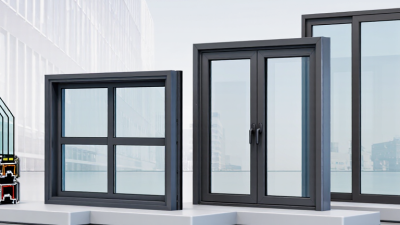
2026 Best Aluminum Window Types for Global Buyers
For global buyers, choosing an Aluminum Window is no longer a simple frame-color decision. It influences heat gain, air leakage, acoustic comfort, security, installation risk, and maintenance. A low quotation may hide thermal bridges, weak hardware, or incomplete testing documents. The details matter.
Industry data supports this broader view. The International Energy Agency reports that buildings consume about 30% of global final energy. They also produce roughly 26% of energy-related emissions. Window performance cannot solve this challenge alone. However, the right glazing and frame design can reduce cooling demand, improve indoor comfort, and support better building efficiency. Grand View Research also identifies rising construction activity and renovation demand as major drivers for the global doors and windows market.
This 2026 guide compares practical Aluminum Window types for different climates, building uses, and purchasing conditions. It examines thermally broken systems, standard non-thermal frames, sliding windows, casement windows, tilt-and-turn designs, and customized curtain-wall solutions. Each type has strengths and limitations. For example, a thermally broken frame may perform well in a cold climate, but poor installation can still create condensation problems. Buyers should review U-values, air infiltration, water penetration, wind resistance, glazing specifications, and hardware quality. Relevant references may include EN 14351-1, NFRC procedures, FGIA/AAMA standards, or AS/NZS 2047, depending on the destination market.
Specifications are only part of the decision. Factory experience, sample inspection, documented testing, packaging, and after-sales support also deserve attention. This framework is useful, but not perfect. Local exposure, workmanship, and building design can change the final result. A careful buyer should question impressive claims and verify the evidence before placing a large order.
Read more »
By:Aurora
- October 14, 2026