Engineered Aluminum Doors & Architectural Fenestration
Tested under rigorous European, American, and Australian standards for maximum acoustic insulation, thermal performance, and water resistance in commercial and residential developments.
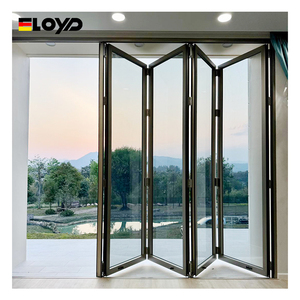
Eloyd Hot Sale Folding Accordion Steel Glass Door Sliding Aluminum Mosquito Net for Bathroom with Sound Insulation
View Details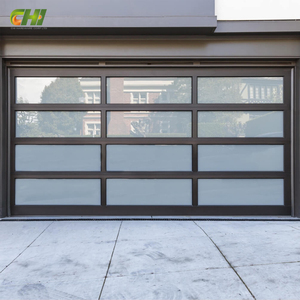
10x10 Full View Aluminum Sectional Glass Garage Door with Double Panels Custom Size for Wholesale
View Details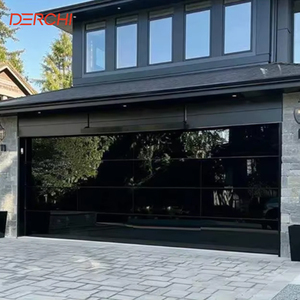
Wholesale 16x7 8x7 Cheap Sectional Garage Doors Automatic Panel Garage Door Modern Design Overhead Garage Doors
View Details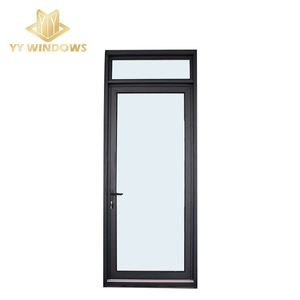
ISO Certificated Factory with NFRC House Apartment Project Hurricane Impact Protection Glass French Doors Patio Casement Door
View Details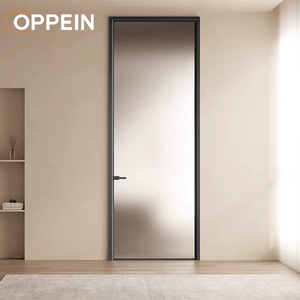
OPPEIN Modern Frosted Glass Interior Door Slim Aluminum Frame Privacy Door for Hotel Apartment Commercial Project Contractor
View Details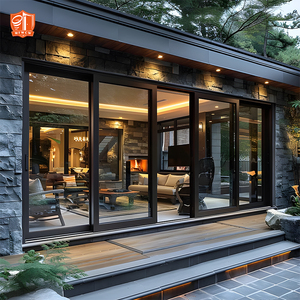
Heavy Sliding Door Aluminum Veranda Patio Sliding Door Glazed Lift Sliding Doors
View Details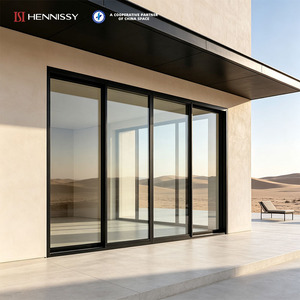
Modern NFRC Certified Thermal Break Aluminum Sliding Door with Low-E Double Glazed Glass U-value 1.7 for US Market Exterior Use
View Details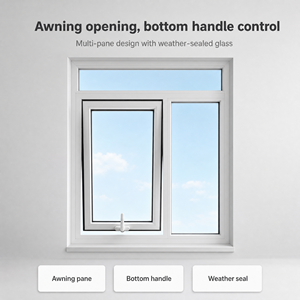
Thermal-Break Aluminum Alloy Outward Opening Hopper Window Triple Insulated Glass Sound Heat Insulation for Homes Villas
View DetailsExecutive Technical Whitepaper: The Engineering Paradigm of Aluminum Bathroom Windows
Bathroom fenestration presents one of the most hostile microclimates in architectural design. Unlike standard residential window assemblies, an aluminium bathroom window operates at the confluence of acute interior relative humidity (>85% RH), rapid vapor cycling, chemical detergents, and extreme temperature deltas across the building envelope. China's premier fenestration manufacturing cluster—headquartered in Foshan, Guangdong—has engineered advanced material treatments that eliminate historical failure points such as galvanic corrosion, thermal bridging condensation, and gasket degradation.
As procurement directors, general contractors, and facade consultants evaluate Chinese manufacturing partners, distinguishing between decorative low-spec fabricators and Tier-1 structural fenestration exporters is critical. Top-tier manufacturers leverage 6063-T5 and 6063-T6 aerospace-grade virgin aluminium alloys, polyamide PA66 GF25 thermal barriers, multi-point compression locks, and hydrophobic obscure glazing treatments to satisfy global standards including EN 14351-1, AAMA/WDMA/CSA 101/I.S.2/A440, and AS 2047.
Micro-Ventilation Geometries
Integration of multi-stage top-hung, hopper, and awning profiles equipped with friction stays allows controlled airflow without compromising rain ingress thresholds or interior privacy lines.
Condensation Evacuation Systems
Pressure-equalized weep holes coupled with stepped internal drainage chambers ensure immediate shedding of vapor runoff, preventing water ponding and structural mold incubation.
High-Performance Surface Coatings
Electrostatic fluorocarbon (PVDF) and AkzoNobel Qualicoat Class 2 architectural powder coatings engineered to resist alkaline shampoo vapors and coastal saline corrosion exceeding 3,000 salt-spray hours.
Fenestration Performance Benchmark: Specifying Wet-Area Openings
To prevent thermal bridge failure, excessive acoustic transmission, and air leakage in multi-unit hospitality and high-density residential towers, procurement packages must detail specific engineering parameters. The matrix below contrasts Chinese export standards against international engineering benchmarks:
| Performance Criterion | Test Methodology & Standard | Standard Commercial Grade | DERCHI Tier-1 Export Specification |
|---|---|---|---|
| Aluminium Alloy Profile | GB/T 5237 / ASTM B221 | Recycled 6063 Aluminum (1.2mm wall) | Virgin 6063-T5 / T6 (1.6mm - 2.0mm structural wall) |
| Thermal Transmittance (U-Value) | EN ISO 10077-2 / NFRC 100 | Non-thermal break / U > 3.8 W/(m²·K) | PA66 GF25 Multi-Chamber / U ≤ 1.4 - 1.7 W/(m²·K) |
| Water Penetration Resistance | EN 12208 / ASTM E331 | Class 4A (150 Pa) | Class 9A / E1050 (≥ 700 - 1050 Pa static head) |
| Acoustic Attenuation (Rw / STC) | EN ISO 717-1 / ASTM E413 | Rw 25 dB - 28 dB | Rw 38 dB - 45 dB (Acoustic PVB Laminated IGU) |
| Surface Anodizing / Coating | Qualicoat Class 2 / AAMA 2605 | Standard Mill / 40μm Coating | Fluorocarbon PVDF ≥ 3 Coats / Anodizing ≥ 20μm |
| Hardware & Hinge Longevity | EN 13126 / AAMA 901 | 10,000 cycles (Zinc die-cast) | 50,000+ cycles (AISI 304/316 Stainless Steel & Siegenia) |
Future Procurement & Technological Trends in Aluminium Bathroom Windows (2025–2030)
The international fenestration supply chain is undergoing structural shifts driven by decarbonization policies, smart building integration, and heightened occupant comfort requirements. Importers and developers must anticipate several transformative trends currently originating from top Chinese R&D centers:
1. Switchable PDLC Electrochromic Smart Glass
Eliminating dust-accumulating moisture blinds, smart glass integrated directly into double-glazed bathroom sashes shifts from transparent to completely opaque in <100ms via wall switch, presence sensor, or building automation system.
2. Concealed Hardware & Ultra-Slim Sightlines
Architectural demand for minimalist aesthetic finishes has accelerated the deployment of flush-mounted, fully concealed friction hinges and 45mm frame profiles without sacrificing structural wind-load load capacity or perimeter gasket integrity.
3. Automated IAQ-Triggered Actuators
DC chain actuators concealed within window heads, tied to relative humidity (RH) and VOC sensors. Sashes crack open automatically during showering and close tightly when rain sensors detect wet-weather conditions.
4. Circular Low-Carbon Aluminium (EPD Verification)
With the implementation of the EU Carbon Border Adjustment Mechanism (CBAM), top Chinese exporters are certifying profiles produced using hydro-electric smelting and scrap recycling, providing audited Environmental Product Declarations (EPDs).
Guangdong Dejiyoupin (DERCHI): Foshan Industrial Manufacturing Authority
Recognized among China's elite fenestration enterprises, Guangdong Dejiyoupin Doors and Windows Co., Ltd. (DERCHI) operates out of an expansive 180,000 m² advanced manufacturing facility in Shishan Town, Nanhai District, Foshan—the heartland of the world’s most specialized aluminium ecosystem. With over a quarter-century of technical production history, our facility pairs automated European CNC extrusion routing with rigorous metallurgical controls.
Complete Value-Chain Control
From initial billet cutting, precision corner crimping with two-component polyurethane bonding, to automated IGU gas filling, our 600+ strong workforce maintains total control over build tolerances (±0.5mm accuracy).
Recognized by Leading European Partners
Selected by a prominent UK Schüco installation partner for an extensive multi-villa development, DERCHI consistently manufactures to the stringent tolerances required for CE marking under EN 14351-1.
Pre-Engineered CAD/BIM Schedules
Our dedicated engineering department prepares millimeter-accurate shop drawings, 3D section models, and thermal analysis reports for architects and facade engineers prior to profile extrusion and anodization.
B2B Procurement & Engineering FAQ for International Buyers
Addressing critical engineering, compliance, packaging, and logistical questions commonly encountered by overseas contractors, quantity surveyors, and architectural project directors:
Q1: How do you prevent internal condensation within the thermal break profile?
We utilize multi-chamber PA66 GF25 thermal strips with integrated EPDM center gaskets. This continuous barrier forms an isothermal line across the sash and outer frame, preventing the aluminum surface temperature from dropping below the indoor dew point.
Q2: What glass configurations are recommended for optimum bathroom privacy and thermal comfort?
We configure 5mm Low-E Tempered + 12A (Argon filled) + 5mm Acid-Etched or Fluted (Moroccan) Tempered glass. Acid etching provides total visual obscurity without shedding coatings when cleaned with chemical bathroom cleaners.
Q3: Can DERCHI manufacture bespoke sizes according to non-standard structural rough openings?
Yes. 100% of our production runs are built-to-order. Our engineering division reviews structural lintels, plaster depths, and waterproofing membranes to develop custom sub-frame solutions and perimeter flashings.
Q4: How does your factory handle salt-fog corrosion prevention during ocean freight shipping?
All finished products are wrapped in protective polyethylene films, cushioned with non-hygroscopic corner protectors, packed with industrial desiccant packs, and secured within heat-treated export fumigated timber crates (ISPM 15 compliant).
Q5: What certifications are supplied for building inspector approval?
We supply full testing reports covering CE (EN 14351-1), AS2047 (Australian Standards N6 rating for ultimate limit state wind pressure), NFRC thermal ratings, and ISO 9001 factory production control audits.
Q6: Which opening mechanism is optimal for wet-room ventilation: Hopper or Casement?
Top-hung outward hopper windows are superior for wet zones. They direct rising steam out of the ceiling line, can remain open during light rain without water entry, and protect the opening hardware from direct shower spray.
Q7: What is the standard manufacturing lead time for containerized project shipments?
Standard lead times for custom extruded and coated profiles range from 25 to 35 business days following final CAD shop drawing sign-off and color-sample approval. Staggered batch deliveries can be scheduled for large multi-tower contracts.
Q8: Do you offer remote site installation guidance for local overseas labor crews?
Every shipment is delivered with comprehensive exploded-view assembly manuals, sub-sill drainage details, and hardware torque specifications. In addition, our bilingual engineering team is available for live video conferences during client timezones.
Accelerate Your Fenestration Project With Factory-Direct Engineering
Connect with our technical engineering department in Foshan. Request complete product CAD sections, full-scale thermal simulation reports, and wholesale pricing schedules for your door and window packages.