Flagship Coated Aluminium Doors & Architectural Systems
Precision-fabricated utilizing 6063-T6 virgin architectural alloys, high-performance polyamide PA66 GF25 thermal breaks, and AAMA 2605 / Qualicoat Class 2 industrial surface finishes. Evaluated under stringent ISO 9001 and CE EN 14351-1 testing frameworks.
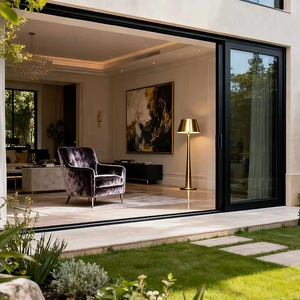
OUNA Canadian CSA Heavy-Duty Large Sliding Patio Doors
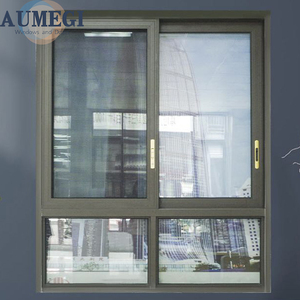
Aumegi Double Glazed Architectural Sliding System
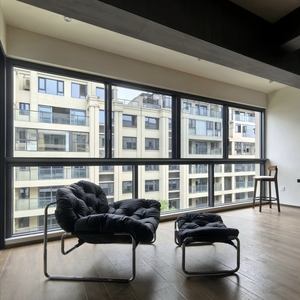
Minimalist Exterior Double Glass Sliding System
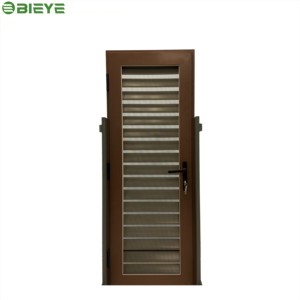
Luxury Blackout Heat-Insulating Louver Door
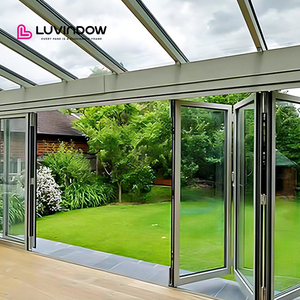
German Standard Aluminium Bifold Accordion Door
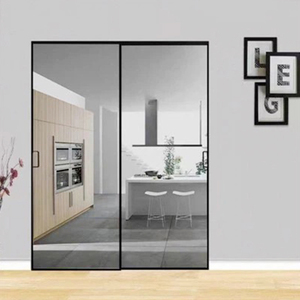
Trackless Aluminum Barrier-Free Sliding System

European French Style Retro Double Glazed Casement Door
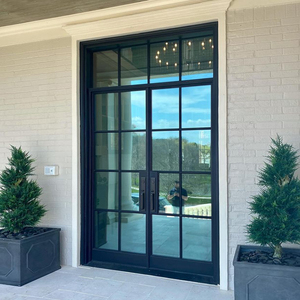
Crittall Heritage Style Thermal Break Glass French Doors
Advanced Surface Finishing & Substrate Passivation
Evaluating structural integrity, micro-crack prevention, corrosion resistance across severe C4/C5 marine environments, and long-term chromatic consistency under extreme solar irradiance.
Fluorocarbon (PVDF) 70% Kynar 500
Polyvinylidene fluoride (PVDF) resin architectures synthesized with 70% Kynar 500® or Hylar 5000® deliver unmatched resistance against ultraviolet degradation, acid precipitation, and chemical atmospheric pollutants. Applied via multi-stage horizontal electrostatic spray lines with triple-coat/double-bake schedules (primer, color coat, and clear protective barrier) achieving thicknesses exceeding 40 μm.
Complies with AAMA 2605 specifications, passing 4,000 hours of accelerated weathering and Florida exposure testing with color deviation (ΔE) strictly limited to < 5 Hunter units after ten continuous years.
Super-Durable Powder Coating (SDPC)
Utilizing Class 2 Qualicoat certified thermosetting polyester resins sourced from AkzoNobel Interpon and Tiger Drylac. The pre-treatment phase incorporates zirconium/titanium nano-ceramic passivating baths rather than toxic chromate chemicals, creating an optimal molecular bonding substrate on 6063-T6 alloys.
This electrostatically applied 60–80 μm uniform barrier delivers enhanced surface pencil hardness (H to 2H), exceptional mechanical impact resistance (Class 1 / Class 2), and zero volatile organic compound (VOC) emissions throughout the curing lifecycle.
Hard Anodizing & Electrophoresis
Anodized film thicknesses strictly controlled under AA20 or AA25 grade criteria (≥ 20–25 μm) in accordance with EN ISO 7599 and Qualanod requirements. Anodized substrates undergo sealed hot deionized immersion or electrolytic inorganic pigmentation for total metallic grain lucidity.
Electrophoretic deposition merges anodic oxidation with a high-transparency thermosetting acrylic topcoat, insulating the core profile against salt-spray pitting while ensuring fingerprints and dust do not compromise exterior aesthetics.
| Coating Technology | Film Thickness (μm) | Neutral Salt Spray (ASTM B117) | Specular Gloss (60°) | Compliance Standards | Optimal Deployment Environment |
|---|---|---|---|---|---|
| PVDF (Kynar 500 3-Coat) | 40 – 45 μm | ≥ 4,000 Hours (Pitting < Grade 9) | 25% – 35% (Satin / Low Gloss) | AAMA 2605, BS 6496, GB/T 5237.5 | Coastal, Off-shore Facades, High UV Regions |
| Qualicoat Class 2 SDPC | 60 – 80 μm | ≥ 2,000 Hours (Blistering Class 0) | 30% – 80% (Customizable Matt/Gloss) | AAMA 2604, Qualicoat Class II, EN 12206-1 | Urban Residential, Commercial Mixed-Use |
| Architectural Anodizing | 20 – 25 μm (Class I) | ≥ 3,000 Hours (Copper Accelerated CASS) | Naturally Matte / Deep Satin | AAMA 611, Qualanod, ISO 7599 | Minimalist Contemporary Architecture, Extreme Arid |
| Electrophoretic Composite | 15 μm Oxide + 12 μm Resin | ≥ 2,500 Hours | 15% – 40% (Velvet Texture) | JIS H8602, GB/T 5237.3 | High-Touch Interior/Exterior Luxury Entry Portals |
Future Procurement & Technology Trends in Coated Doors
Critical insights for architectural specifiers, general contractors, and tier-1 procurement directors navigating structural decarbonization, embodied carbon tariffs (CBAM), and intelligent hardware integration.
Low-Carbon Circular Aluminium & CBAM
International regulatory regimes, particularly the European Union's Carbon Border Adjustment Mechanism (CBAM) and North American LEED v4.1 mandates, are shifting procurement criteria from pure upfront capital expenditure toward lifecycle embodied carbon metrics (Scope 1, 2, and 3 emissions). Tier-1 Chinese exporters are transitioning smelter supplies to certified green hydro-powered billets, lowering carbon intensity from the historical 16 kg CO2/kg Al to below 4.0 kg CO2/kg Al.
Suppliers capable of producing third-party verified Environmental Product Declarations (EPD) and cradle-to-gate life-cycle assessments (LCA) maintain an insurmountable competitive advantage in corporate and institutional tenders.
Ultra-Low U-Values & Aerogel Cavities
The global push toward net-zero building envelopes (such as Passive House Institute standards and Germany's Building Energy Act GEG) necessitates whole-door thermal transmittance ratings of Ud ≤ 0.8 W/(m²·K). Standard dual-chamber thermal breaks are yielding to multi-cavity architectures featuring 34mm–54mm glass-fiber reinforced polyamide strips (PA66 GF25) engineered with transverse isothermal fins.
Pioneering door assemblies incorporate nanoporous silica aerogel blanket fillings within internal profile chambers, terminating radiant, conductive, and convective thermal pathways without ballooning structural frame depth.
Concealed Mechatronic Automation
B2B procurement schedules increasingly stipulate seamless Building Management System (BMS) compatibility. Heavy-duty entrance leaves (up to 800 kg in luxury pivot and monumental sliding typologies) require factory-integrated mechatronic multi-point locking hardware (such as Siegenia, GU, or customized in-house assemblies).
Sensors, motorized magnetic latch drives, concealed hydraulic floor springs, and thermal conduit channels are pre-milled via 5-axis CNC machining centers during fabrication, eliminating haphazard on-site routing and preserving factory-cured powder coating warranties.
Guangdong Dejiyoupin Doors and Windows Co., Ltd. (DERCHI)
Recognized as a benchmark manufacturer in Foshan—the world's foremost epicenter for high-precision architectural aluminium production. Spanning over 25 years of specialized metallurgical and façade engineering, DERCHI supplies complete door schedules to architects, tier-1 developers, and distributors worldwide.
- UK Schüco Partnership Validation: Chosen by a premier UK Schüco installation partner for continuous multi-villa development projects.
- Australian Cyclone Performance: Certified under AS 2047 N6—the ultimate rating for wind loading, air impermeability, and extreme water pressure penetration.
- Complete Project Schedules: Integrated one-stop supply encompassing entrance pivot doors, cast aluminium gates, bifold systems, and curtain walls.
- Direct Maritime Dispatch: Certified seaworthy reinforced timber crate packaging routed directly to Rotterdam, Hamburg, Antwerp, Felixstowe, and Long Beach.

End-to-End Quality Inspection & Factory Testing
Every production run undergoes strict physical and environmental verification prior to crating, guaranteeing zero-defect on-site assembly and long-term operating life.



Frequently Asked Questions for Global Door Procurement
Clear, engineering-focused answers regarding international certifications, coating durability, lead times, logistics, and technical project customization.
How do DERCHI coated aluminium doors guarantee compliance with European EN 14351-1 and UK Building Regulations?
What coating specification is recommended for high-salinity coastal applications?
What are the lead times from drawing approval to FOB/CIF port dispatch?
Can DERCHI engineer custom oversized pivot doors with motorized multi-point locks?
How does DERCHI resolve thermal bridging on large architectural glazed systems?
Plan Your Architectural Door Schedule with China's Premier Exporter
Collaborate directly with our Foshan engineering center. Submit your window and door schedules, architectural CAD plans, or tender specifications for complimentary shop drawings, thermal calculations, and competitive factory-direct export proposals.