In modern commercial, multi-residential, and bespoke villa architecture, the double swing door—commonly specified as French entry doors, double-leaf casements, or high-clearance pivot configurations—serves as both a focal design statement and a structural pressure boundary. Sourcing these specialized fenestration units directly from qualified Chinese original equipment manufacturers (OEMs) and original design manufacturers (ODMs) has transitioned from a pure cost-reduction strategy to an engineering-driven supply chain imperative. Leading Chinese manufacturers now combine advanced metallurgical extrusion capabilities, robotic thermal break crimping, high-precision CNC corner-cleat miter joints, and automated robotic glass assembly to deliver double swing systems that outmatch conventional regional benchmarks.
B2B Specification Takeaway: Procurement teams no longer evaluate Chinese manufacturers on tonnage pricing alone. The modern competitive baseline demands 6063-T5/T6 virgin alloy structural profiles, multi-cavity Polyamide (PA66 GF25) thermal breaks, multi-point perimeter compression locking hardware (guaranteeing air tightness under EN 12207 Class 4), and project-specific shop CAD/BIM validation prior to fabrication.
Featured Double Swing Doors, Balcony Casements & Glazing Assemblies
Explore eight core engineered window and door systems designed for high-wind loads, commercial traffic, thermal insulation, and strict building compliance across European, American, and Australian markets.
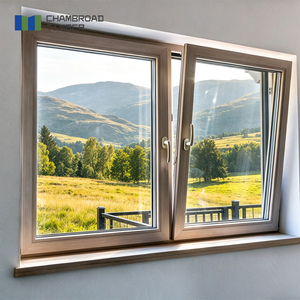
Modern Wood Aluminum Window Casement Fireproof Anti-Theft Double Glazed Insulated Glass CSA Certified For Office
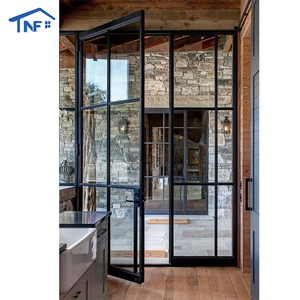
Aluminum Hinged Patio Doors European Standard Double Panels Swing Style Door Modern French Glass Casement Entry Doors
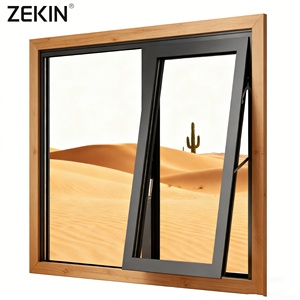
ZEKIN American Style Aluminum Outward Opening Awning Window with Double Glass NFRC AS2047 Hurricane Impact Swing Window
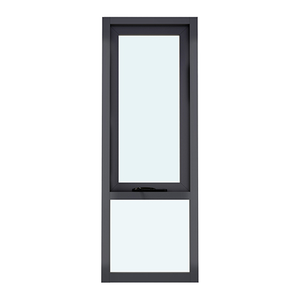
Commercial Customized Aluminum Windows Sound Proof Insect Control Rolling Open Crank Out Casement Windows
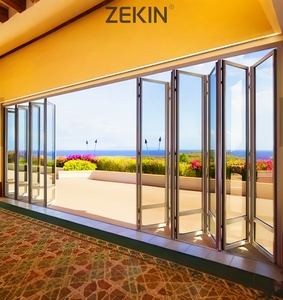
ZEKIN Customized China Factory Accordion Bi-fold Doors Double Glass Door Aluminum Hurricane Proof Interior Exterior Folding Door
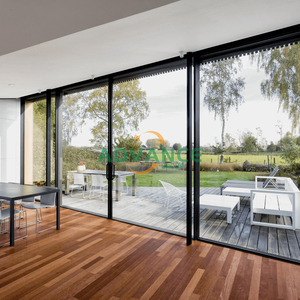
Aluminum Glass Stacking Sliding Door Bullet Proof Slide Glass Door System
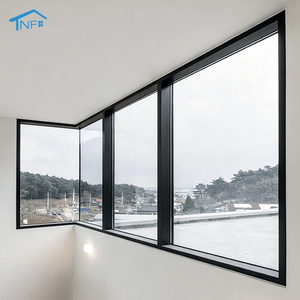
Modern Aluminum Alloy Frameless Fixed Glass Corner Windows With Folding Screen Stainless Steel Netting Roller Blind For Villa
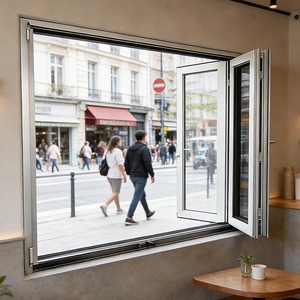
Customized Tempered Glass Heat Insulation Aluminum Frame Balcony Sliding Folding Window
Industrial-Grade Engineering & Direct Factory Advantages
Precision joinery, verifiable thermal calculations, and direct-from-Foshan supply chain integration ensure your projects pass stringent structural and energy inspections.
High-Strength Extruded Profiles
Fabricated exclusively using primary architectural-grade aluminum alloy 6063-T5 or 6063-T6 with minimum wall thicknesses of 2.0mm to 3.0mm. Profiles resist racking, panel deflection, and high wind pressures (tested up to AS 2047 Serviceability & Ultimate Limit State standards).
End-to-End CAD/BIM Shop Drawings
Before metal extrusion cutting occurs, our dedicated bilingual engineering department supplies structural CAD elevations, anchored sill threshold cross-sections, and jamb connection details matching your architect's fenestration schedule without additional drafting fees.
European Hardware Integration
Configurable with certified German hardware suites (Siegenia, G-U, Hoppe, Roto) or custom heavy-duty continuous concealed 3D-adjustable hinges. Each leaf operates with effortless glide, supporting swing weights exceeding 250 kg per panel without sagging over time.
Technical Performance Benchmark: Double Swing Door Systems
Compare fundamental engineering classifications across European (EN), American (AAMA/WDMA/NFRC), and Australian (AS 2047) testing standards.
| Performance Attribute | Governing Standard | Factory Benchmark Values | Engineering Implementation Details |
|---|---|---|---|
| Thermal Transmittance (U-Value) | EN ISO 10077-1 / NFRC 100 | Ud ≤ 1.1 - 1.4 W/(m²·K) (Down to 0.8 on Passive configurations) | Multi-chamber PA66 GF25 thermal isolators filled with high-density polyurethane foam and warm-edge TGI spacers with argon filling. |
| Air Infiltration Resistance | EN 12207 / ASTM E283 | Class 4 / ≤ 0.1 CFM/ft² @ 1.57 PSF | Continuous dual and triple vulcanized EPDM / TPE sealing gaskets around leaf edges and central meeting stiles with magnetic threshold seals. |
| Water Penetration Resistance | EN 12208 / ASTM E331 | Class 9A (≥ 600 Pa) / 15 PSF Test Head | Stepped cascade drainage channels with internal pressure relief valves and concealed exterior drainage weep hole covers. |
| Structural Wind Load (Deflection) | EN 12210 / AS 2047 | Class C5 / N6 Rating (≥ 3000 Pa design pressure) | Internal tubular steel or aluminum alloy reinforcement bars inserted within critical mullion chambers and corner miters. |
| Acoustic Attenuation | EN ISO 717-1 / ASTM E90 | Rw (C; Ctr) 38 - 44 dB | Asymmetric acoustic laminated glass combinations (e.g., 6mm Low-E + 16Ar + 4mm + 0.76PVB + 4mm) breaking resonant frequencies. |
| Security & Intrusion Resistance | EN 1627 / PAS 24 | RC2 / RC3 Resistance Class | Heavy-gauge perimeter shoot bolts, anti-lift hinges, hardened steel drill-proof cylinder guards, and laminated security glass panes. |
Future Procurement & Technology Trends in Aluminium Double Swing Doors
Critical shifts shaping commercial contracts, sustainability standards, and architectural specifications through 2026 and beyond.
Embodied Carbon & Low-Carbon Billet
Global developers are enforcing Environmental Product Declarations (EPD). Procuring doors extruded from certified green aluminium (smelted via hydro-electric energy with recycled scrap ratios above 40%) significantly reduces Scope 3 supply chain carbon penalties under European CBAM regulations.
Barrier-Free Zero-Thresholds
The demand for universal accessibility (ADA compliance and European DIN 18040-1) has made magnetic flush thresholds the default choice. Automatic drop-down seals retract smoothly upon opening, eliminating trip hazards while maintaining certified air and water barriers.
Smart Building Automation Integration
Contemporary specifications require motorized multipoint actuators concealed inside door frames. Systems interface effortlessly with biometrics, building management systems (BMS), KNX, and remote access systems without external wiring boxes or visible hinges.
Strategic Sourcing: Mitigating Risk in Direct-from-Factory Door Sourcing
When procuring custom aluminium double swing doors from China, project delays and compliance failures rarely stem from raw extrusion capacity. Rather, they occur at the intersection of specification translation, thermal bridge miscalculations, and export glazing compliance. To ensure frictionless handover and installation, general contractors and architectural specifiers should verify three essential manufacturing checkpoints:
1. Corner Joint Technology (Crimping vs. Screw Assembly): Lower-cost domestic suppliers rely on mechanical screws that loosen during transit or after repetitive thermal expansion cycles. Leading export manufacturers employ hydraulic four-corner pneumatic crimping machines injected with two-component polyurethane joint adhesive (corner sealant), ensuring rigid 90-degree integrity that prevents diagonal sagging across wide double-swing spans.
2. Intertek / TÜV / NFRC Physical Test Certification: Always demand project-specific or family-system physical laboratory test reports rather than generic computer simulations. True compliance requires validated test certificates confirming wind load, water tightness under dynamic pressure, and cyclic endurance testing exceeding 100,000 continuous opening and closing strokes.
3. Ocean Freight Reinforcement & Pre-Hung Assembly: Double swing doors require precise master-to-slave leaf tolerances (typically ≤ 2.0mm gap at meeting stiles). Ensure the supplier provides complete factory dry-fitting, pre-hangs leaves onto frames, conducts laser squaring tests, and protects frames with 12mm non-fumigation plywood crating fitted with shock indicators.
Frequently Asked Questions on Aluminium Double Swing Door Sourcing
Clear, technical explanations addressing logistics, hardware configuration, thermal performance, and compliance for international B2B buyers.