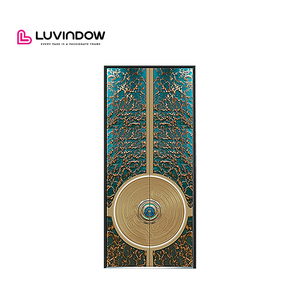
Factory Direct Portfolio
High-Performance Architectural Fenestration Systems
Engineered for luxury villas, commercial conversions, and sensitive historical renovations with structural thermal break systems.
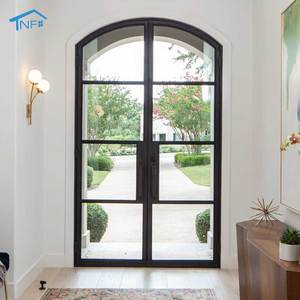
Arched Aluminum Frame Double Glazed French Door with Digital Lock
View Specifications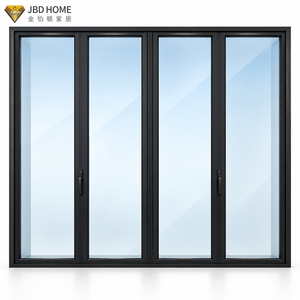
NFRC Certified Aluminum Bifold Door Modern Glazed Patio System
View Specifications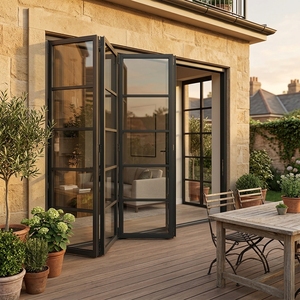
Customized Waterproof Aluminum Bifold Folding Patio Doors
View Specifications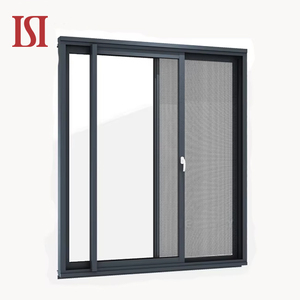
AC100 Aluminum Alloy Frame Horizontal Sliding Window System
View Specifications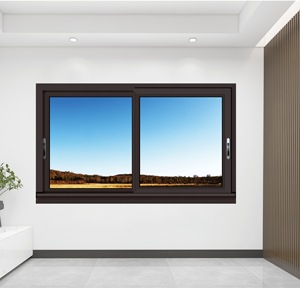
Thermal-Break Aluminum Black Vertical Hung Window with Grill
View Specifications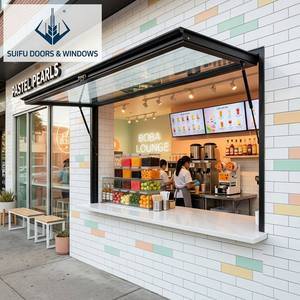
Slim Frame Double Glazed Awning Window Hurricane Impact Rated
View Specifications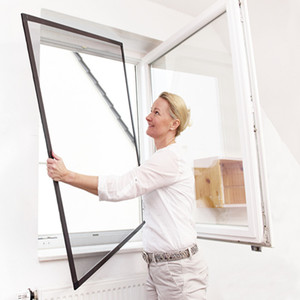
Precision Aluminum Frame Integrated Fiberglass Screen Mesh
View Specifications
Factory Verification & Technical Capabilities
Industrial Mastery in Architectural Heritage Aluminum Engineering
Operating as a certified Tier-1 manufacturing entity in Foshan, Guangdong Dejiyoupin Doors and Windows Co., Ltd. (DERCHI) combines 25+ years of craft with automated German CNC extrusion technology.
Aluminium heritage doors—broadly recognized for their characteristic slimline sightlines, articulated transoms, and classic Georgian or Crittall aesthetics—demand an exacting balance of structural rigidity and thermal insulation. As leading China manufacturers and exporters, DERCHI provides a critical bridge between classic design typologies and contemporary building science.
While traditional hot-rolled steel profiles suffer from severe thermal bridging, condensation, and corrosion in coastal settings, our thermally broken architectural aluminum profiles achieve thermal transmittance values down to Uw ≤ 1.1 W/m²·K. This allows developers, historic preservation committees, and architects across Europe, North America, and Australia to capture timeless aesthetics without compromising energy efficiency mandates.
Each profile undergoes automated electrostatic fluorocarbon (PVDF) powder coating tested beyond 3,000 hours of salt spray exposure, ensuring durability under BS EN 12206-1 and Qualicoat Class 2 standards.
| Technical Metric | DERCHI Engineering Benchmark |
|---|---|
| Profile Metallurgy | Primary 6063-T6 Architectural Billet Alloy |
| Thermal Break Mechanism | Polyamide PA66 GF25 Reinforced Barrier |
| Air Permeability Class | EN 12207 Class 4 / AS 2047 Verified |
| Water Tightness Class | EN 12208 Class 9A / Static Pressure ≥ 600 Pa |
| Burglar Resistance | EN 1627 RC2 to RC3 Multi-Point Security |
| Standard Certifications | CE (EN 14351-1), ISO 9001, AS 2047 N6, NFRC |
Procurement Intelligence
Emerging Technical Trends in Heritage Door Sourcing
Market dynamics, regulatory evolution, and architectural requirements transforming aluminum heritage door manufacturing through 2026–2030.
Ultra-Narrow Sightline Optimization
Architectural demand is moving toward ultra-slim profile sightlines below 35mm without structural concessions. Utilizing multi-chambered 6063-T6 aluminum combined with internal structural carbon reinforcement allows expansive sash heights up to 3.2m while withstanding extreme dynamic wind loads up to 3000 Pa.
Passivhaus-Grade Thermal Insulation
Driven by strict European Energy Performance of Buildings Directives (EPBD) and national standards like UK Future Homes Standard, heritage doors now demand triple-glazed argon configurations (with warm-edge spacers) that drive overall door values (UD) under 0.9 W/m²·K while mimicking historical putty-line glazing profiles.
Smart Hardware Integration
Procurement teams increasingly request invisible multipoint locking, automated magnetic perimeter seals, and biometrics concealed inside vintage-styled brass and bronze cast hardware. This marries traditional heritage aesthetics with contemporary smart-home security systems.
Why Partner With Us
Direct-from-Source Precision & Factory Reliability
Eliminating multi-tiered middlemen to deliver project-specific engineering, transparent compliance schedules, and turnkey fabrication.
Full CAD & BIM Drafting Support
Every architectural inquiry is backed by dedicated CAD draftsmen who produce dimensioned structural elevations, glass load calculations, threshold water evacuation details, and anchoring points tailored precisely to local building control schedules.
International Code Compliance
Our production protocols are rigorously validated under CE EN 14351-1, ISO 9001, North American NFRC/AAMA, and Australian AS 2047 N6 criteria. We provide verifiable lab testing documentation for effortless building inspections and client sign-offs.
Export-Grade Packaging & Logistics
To eliminate shipping deflection and micro-abrasions, doors are packaged inside IPPC-certified solid fumigated plywood crates with custom cellular EPE protective foam and desiccants, safely shipped to ports worldwide (Rotterdam, Felixstowe, Long Beach, Sydney).
Procurement Advisory
Frequently Asked Questions on Sourcing Heritage Doors
In-depth technical answers for commercial developers, general contractors, and fenestration importers.
How do aluminum heritage doors compare structurally and thermally to traditional steel systems?
Traditional hot-rolled steel doors offer aesthetic slimness but possess a thermal conductivity roughly four times that of thermally broken aluminum, frequently causing persistent interior condensation, drywall mildew, and high U-values (>3.0 W/m²·K). Our heritage aluminum profiles incorporate high-density 24mm to 34mm Polyamide (PA66 GF25) thermal barrier strips. This architecture matches the visual appeal of historical steel glazing bars while delivering U-values down to 1.1–1.4 W/m²·K, weighing 40% less, and providing lifetime galvanic corrosion resistance without flaking or rusting.
What are the lead times for custom-engineered doors from Foshan to international ports?
Upon final sign-off of shop drawings and specification schedules, our automated manufacturing run typically takes 25 to 35 calendar days. Ocean freight requires approximately 22–28 days to major European ports (Rotterdam, Hamburg, Felixstowe) and 16–22 days to US West Coast ports. We provide full project tracking schedules, bill of lading documentation, and transparent updates throughout manufacturing and transit.
Can your factory replicate historical conservation grid layouts and authentic astragal bars?
Yes. We engineer both authentic true-divided-lite (TDL) configurations and simulated-divided-lite (SDL) systems. Our SDL systems feature external applied aluminum heritage bars with historical putty-line chamfers, interior duplex spacer bars inside the insulated glazing unit, and internal aluminum muntins to faithfully replicate 19th-century Crittall and Georgian fenestration while preserving hermetic thermal performance.
How does DERCHI guarantee structural integrity against wind and water ingress?
Every assembly utilizes continuous vulcanized EPDM triple perimeter gasket seals combined with concealed drain paths that direct driving rainwater out through pressure-equalized weeping channels. All systems undergo structural validation according to EN 12210 (wind load deflection class C5) and AS 2047 cyclic fatigue standards, making them suitable for high-exposure marine and alpine environments.
What quality verification measures are conducted prior to factory container loading?
We operate a multi-stage Quality Management System under ISO 9001. Prior to palletization, every door unit is pre-hung on test calibration jigs to verify hinge alignments, latch engagement clearances (±0.5mm tolerance), multi-point lock actuation torque, and laser-checked frame diagonal squaring. High-resolution photographic and video QC reports are delivered to the client before container sealing.
Partner with China's Foremost Heritage Door Manufacturer
Submit your door schedules, CAD architectural drawings, or tender specifications for engineering verification and a complete factory-direct pricing quote within 24 hours.
Contact Us