Precision Architectural Systems for Wet Environments
Our specialized bathroom fenestration solutions incorporate multi-chamber 6063-T5/T6 alloy profiles, thermal insulation barriers, dual-barrier EPDM gaskets, and specialized obscuration glazing configurations.
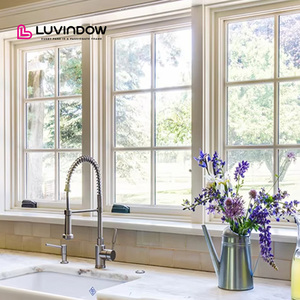
Thermal Break Aluminum Crank Casement Bathroom Window
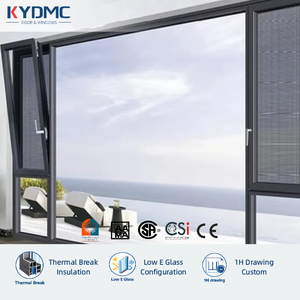
Black Aluminium Double Glass Swing Window with Screen
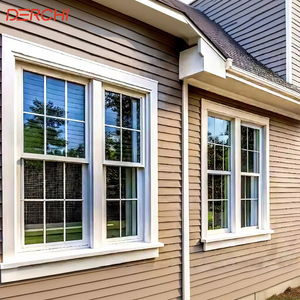
Modern Waterproof Aluminium Double Hung Windows
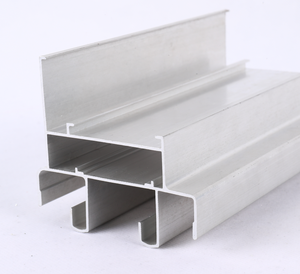
6000 Series Aluminum Window and Door Profiles
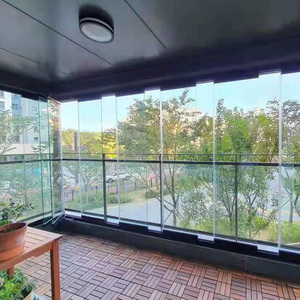
Balcony Frameless Aluminium Folding Sliding Glass Door
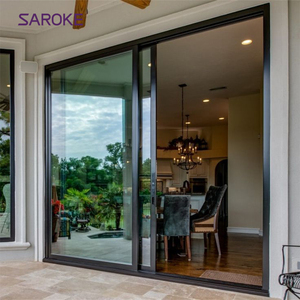
Double Glazed Broken Bridge Aluminum Lift Sliding Doors
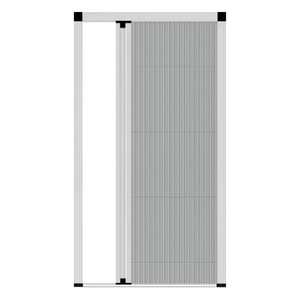
Aluminum Folding Pleated Mesh Sliding Screen Door
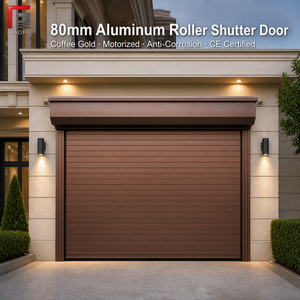
Electric Aluminium Roller Shutter Door Low Headroom
State-of-the-art manufacturing campus located in Foshan, Guangdong—the core hub of global aluminum engineering.
Decades of export competence across Europe, North America, the Middle East, and Australasia.
In-house structural engineering teams, CAD/BIM detailing technicians, and certified façade inspectors.
Holding CE marking, ISO 9001, AS 2047 N6 cyclonic certification, and UL-certified safety assemblies.
Fenestration Thermodynamics in High-Humidity Microclimates
Architectural fenestration within modern luxury residential developments and high-occupancy commercial properties faces its most rigorous operating environment inside master bathrooms, en-suite spa zones, and indoor aquatic pavilions. Unlike exterior curtain walls where psychrometric conditions fluctuate with ambient seasonal climate, bathroom apertures are subjected to rapid, localized relative humidity surges exceeding 95% at temperatures between 26°C and 42°C. These microclimatic dynamics generate severe vapor pressure gradients across the glazing and framing envelope, triggering immediate surface condensation whenever the interior profile temperature falls below the local dew point.
As China’s top-tier aluminum bathroom windows manufacturer and global engineering exporter, our R&D facility addresses this failure mechanism through structural barrier design. Conventional non-thermal aluminum frames possess an elevated thermal conductivity ($k \approx 160\text{ to }200 \text{ W/m·K}$), creating an uncontrolled thermal bridge that readily conducts cold outdoor temperatures directly to the interior frame surface. The outcome is continuous condensation run-off, which oxidizes peripheral drywall, degrades silicone seals, and fosters toxic black mold (*Stachybotrys chartarum*) development.
To eliminate this failure mode, our engineered bathroom window profiles utilize high-rigidity Polyamide PA66 GF25 (reinforced with 25% transverse glass fibers) thermal break strips. These low-conductivity barriers ($k \approx 0.3 \text{ W/m·K}$) physically isolate the interior and exterior aluminum extrusions, raising the interior frame surface temperature and sustaining a Condensation Resistance Factor (CRF) well above 72 under NFRC 500 calibration standards. Combined with dual-sealed Insulated Glass Units (IGU) incorporating warm-edge composite spacers and argon gas filling, our architectural assemblies deliver overall system U-values as low as 1.1 W/m²·K.
Differential Pressure Capillary Drainage
Concealed stepped drainage sub-sills equalize atmospheric pressure between the glazing pocket and exterior envelope. Incorporates internal baffle check-valves to prevent wind-driven rainwater backflow under static pressures up to 720 Pa.
Continuous Vulcanized EPDM Gaskets
Multi-barrier compression weatherstripping utilizing sulfur-cured, automotive-grade ternary ethylene-propylene-diene monomer (EPDM). Maintains permanent elastic recovery from -40°C to +120°C, totally resistant to bathroom aerosolized soaps and steam.
Qualicoat Seaside-Grade Metallurgy
Profiles are extruded exclusively from primary billet 6063-T6 aluminum, finished with a 25μm deep chemical anodization or AkzoNobel fluorocarbon (PVDF) powder coating, fully neutralizing surfactant spray and continuous vapor corrosion.
Bathroom Fenestration Performance Matrix
Evaluating profile structural rigidity, psychrometric resistance, durability lifecycles, and environmental sustainability.
| Evaluation Parameter | DERCHI PA66 GF25 Thermal Break Aluminum | Standard Non-Thermal Aluminum | uPVC / Vinyl Profiles | Clad Timber / Solid Wood |
|---|---|---|---|---|
| Condensation Resistance (CRF) | CRF 72–78 (Superior) | CRF 30–42 (Condensation Prone) | CRF 65–70 (Moderate) | CRF 60–68 (Moderate) |
| Frame Flexural Rigidity ($E$) | 69 GPa (High Wind Structural) | 69 GPa (Structural) | 2.8 GPa (Requires Steel Rebar) | 11 GPa (Deflection Vulnerable) |
| Moisture Absorption & Warpage | Zero Swelling / Zero Warping | Zero Swelling | Thermal Creep at >45°C | High Swell Risk / Mold Rot |
| Surface Finish Longevity | 30+ Years (Qualicoat Seaside) | 20 Years (Pitting in Surfactants) | 10–15 Years (Yellowing / UV Brittleness) | 3–5 Years (Requires Re-staining) |
| Corner Joint Integrity | Cast Al Corner Cleats + Epoxy Inject | Crimped without Structural Sealant | Melt-Welded Plastics (Vulnerable) | Mortise & Tenon (Joint Fatigue) |
| Acoustic Isolation ($R_w$) | Up to 42 dB with Asymmetric IGU | 28–32 dB | 32–36 dB | 34–38 dB |
Future Global Trends in Architectural Bathroom Fenestration
Anticipate evolving municipal energy mandates, automated micro-climate engineering, and privacy technologies shaping specification tenders through 2030.
Switchable Electrochromic & PDLC Smart Glazing
Architects are replacing mechanical blinds and permanently frosted obscure glass with switchable Polymer Dispersed Liquid Crystal (PDLC) laminated glazing. Controlled via wall switches, dry-contact automation, or motion sensors, the glass transitions from 88% crystal-clear light transmission to complete milky opacity in less than 20 milliseconds, safeguarding visual privacy while flooding wet rooms with natural daylight.
Integrated Acoustic Micro-Ventilation Trickle Channels
Modern building envelope codes—such as UK Approved Document F and Germany’s GEG—require continuous background ventilation to mitigate indoor volatile organic compounds (VOCs) and moisture accumulation. Future bathroom window extrusions incorporate labyrinthian trickle vents with noise-dampening acoustic foams, exhausting vapor continuously without opening the sash or sacrificing sound attenuation.
Low-Carbon Recycled Billets & Circular LCA Profiles
Corporate ESG procurement mandates and green building certifications (LEED v4.1, BREEAM, DGNB) increasingly audit the embodied carbon of structural envelope components. Leading Chinese exporters are shifting to hydro-powered, scrap-recycled aluminum extrusions producing less than 4.0 kg CO₂ per kg of finished profile, supported by factory Environmental Product Declarations (EPD).
Frequently Asked Questions for Window Importers & Contractors
Clear, technically verified answers regarding building code approvals, structural wind performance, sea-freight protection, and customized OEM/ODM fabrication.
We engineer the frames with wide 24mm to 34mm multi-chamber Polyamide PA66 GF25 thermal isolation strips that align with the insulating glass spacer bar, creating an unbroken isothermal barrier. Coupled with argon-gas insulated glass units and warm-edge composite spacers, interior profile temperatures remain above the condensation dew point under indoor relative humidity levels of up to 85% at sub-zero outdoor conditions.
We offer customized glass makeups, including acid-etched satin glass, low-iron fluted/reeded glass (Mori glass), sandblasted ceramic frit textures, and privacy Level 5 pinhead or chinchilla patterns. For premium luxury installations, we provide switchable PDLC smart laminated glass, allowing the occupant to alternate between transparent views and complete obscuration at the flick of a switch.
Yes. DERCHI products comply with rigorous global codes. We hold CE marking under EN 14351-1 for European projects, Australian Standards AS 2047 certification with an N6 rating (capable of withstanding extreme cyclic wind pressures exceeding 4500 Pa), and North American ASTM E330 structural deflection and ASTM E331 water penetration approvals up to 720 Pa static head.
All internal sash hinges, crank operators, multi-point lock rods, and mounting fasteners are constructed from marine-grade 304 or 316 stainless steel. Zinc-alloy hardware undergoes a specialized electrophoretic multi-coat treatment. Furthermore, non-conductive nylon shims separate dissimilar metals, completely preventing galvanic battery action induced by moisture and soap surfactants.
For commercial developments and custom villa projects, we do not impose restrictive minimum order quantities. We fabricate entirely made-to-measure window assemblies based directly on your architectural schedule. Shop drawings are produced in-house using CAD/BIM software for architect sign-off prior to CNC milling, ensuring zero site-adjustment discrepancies.
Every assembled window frame is wrapped with a 0.08mm electrostatic protective film, corner-guarded with high-density EVA shock-absorbing caps, and enclosed within heat-sealed polyethylene moisture-barrier sheeting containing industrial molecular-sieve desiccants. Packed assemblies are secured in fully enclosed, fumigated solid-plywood ocean crates reinforced with perimeter steel strapping.
Standard custom production runs require 25 to 35 calendar days following client approval of CAD shop drawings and hardware configurations. Expedited production slots can be arranged for time-sensitive commercial projects through our automated CNC multi-station machining centers located across our 180,000 m² Foshan factory.
Yes. We specialize in dual- and triple-track integrated sub-frames housing high-transparency stainless steel security mesh (0.8mm SS304 diamond weave with knife-shear resistance) or retractable pleated insect screens, providing complete insect and intrusion defense while the glass casement or awning is latched open for ventilation.
Partner with China's Premier Architectural Window Manufacturer
Whether you are tendering a multi-unit luxury hotel project, engineering a residential villa compound, or seeking a certified OEM/ODM export partner, our engineering team in Foshan will prepare detailed CAD sections, thermal performance calculations, and competitive factory-direct quotations within 24 hours.