Engineered Architectural Solutions: Precision Glazing & Metal Metallurgy
As the modern building envelope evolves toward net-zero thermal conductivity, stringent acoustic mitigation, and minimal visual bulk, sourcing directly from a top-tier Chinese aluminium glass door manufacturer gives international developers, architects, and facade contractors a decisive advantage. DERCHI (Guangdong Dejiyoupin Doors and Windows Co., Ltd.) integrates world-class 6063-T5/T6 alloy extrusion processing, automated CNC multi-axis milling, European multi-point locking hardware, and high-efficiency IGU (Insulated Glass Units) to deliver doors built for extreme wind loads, severe coastal corrosion, and rigorous Passivhaus certifications.
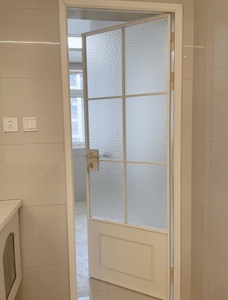
Minimalist Crittall Style Aluminum Interior Door Single Glazed Waterproof Bathroom Door for Luxury Villa and Hotels
Ultra-narrow visual sightlines designed with anodized architectural aluminium and tempered safety glazing, ideal for moisture-heavy luxury bathroom suites.
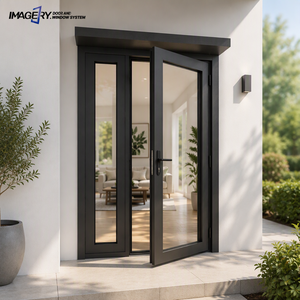
High Quality Aluminum Alloy Swing Doors Double Tempered Glass Outward Opening Commercial Shop Front Impact Resistant
Heavy-duty commercial shopfront portal engineered with structural reinforced extrusions, panic hardware compatibility, and high cycle-life pivots.
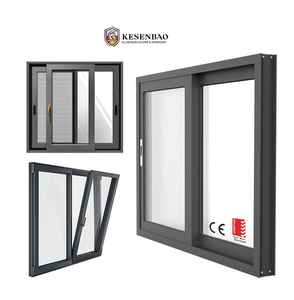
AS2047 CE Custom European Style Black Aluminum Balcony Sliding Glass Windows For Villa Houses
Certified compliant with Australian N6 standards and European CE directives, incorporating stainless steel tandem rollers for whisper-quiet travel.
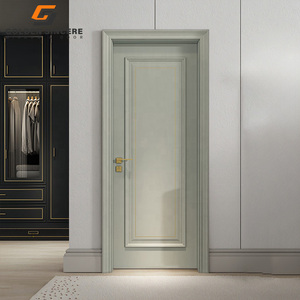
GS Fire-Rated Aluminum Interior Swing Door for Safe Indoor Spaces
Engineered with intumescent fire-resistant profile fillings and certified fire-defying ceramic glass to safeguard escape corridors and mechanical risers.
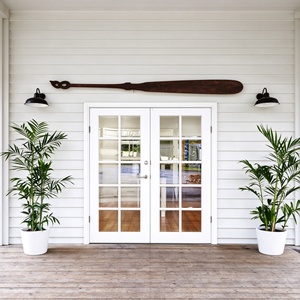
72" X 80" in Blind Glass Primed Aluminum External Grilles Doors Left Hand Inswing Double Interior French Patio Doors
Hermetically sealed magnetic blind systems sandwiched between dual Low-E glass panes for maintenance-free shading, privacy, and thermal control.
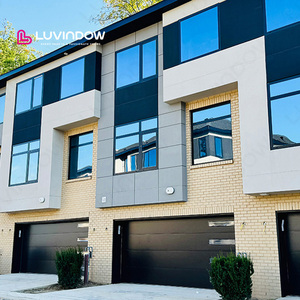
Factory Direct Price Reliable Thermal Break Aluminum Tilt Turn Window Triple Insulated Tempered for Exterior Kitchen Villa
German-spec tilt-and-turn fenestration providing macro and micro micro-ventilation with multi-chamber PA66 insulation strips delivering Uw ≤ 1.0 W/m²K.
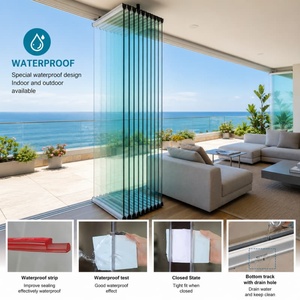
Full View Exterior Folding Bi-Fold Sliding Glass Balcony Window System With Aluminum Frame Folding Door
Heavy-duty top-hung folding door configuration offering flush threshold transitions, anti-pinch safety gaskets, and seamless indoor-outdoor architectural flow.
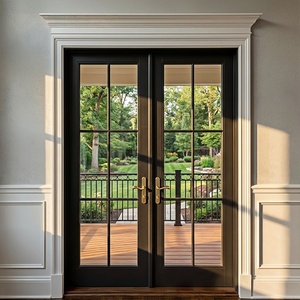
CE Certified Modern Single French Doors Black Power Coated Heat Insulation Aluminium Bedroom French Doors
Matte black fluorocarbon PVDF powder-coated entrance leaves combining contemporary aesthetic minimalism with RC2 anti-burglary security standards.
Direct Factory OEM/ODM Sourcing • Project CAD Support
Submit your door schedules, architectural elevations, and performance requirements. Our Foshan engineering department provides comprehensive shop drawings, structural calculations, and rapid DDP/CIF export delivery schedules.
Get a QuoteIntelligent industrial campus located in Nanhai District, Foshan, China
Including 45+ structural engineers, CAD draftsmen, and QA inspectors
CE (EN 14351-1), AS2047, ISO 9001, UL Fire, and acoustic ratings
Continuous fenestration manufacturing servicing 60+ countries globally
Why Top Global Contractors Partner with Our Foshan Factory
By pairing primary virgin aluminium ingots with cutting-edge German multi-axis automated CNC machining centers, our automated lines guarantee dimensional fabrication tolerances within ±0.5mm across spans exceeding 6 meters.
Primary 6063-T6 Extrusion Mastery
We strictly reject recycled scrap billets. All door frames are extruded using primary A00 grade aluminium billets heat-treated to T5 or T6 temper, providing yield strength exceeding 160 MPa to resist severe hurricane gale forces.
Verified European & US Compliance
Engineered to satisfy EN 14351-1 CE marking, Australian AS 2047, and North American NFRC certifications. Selected by long-term partners of German premier brands like Schüco for high-end multi-villa programs.
End-to-End Bespoke Fabrication
From massive architectural pivot doors spanning 4.5m heights to ultra-slim motorized bi-fold assemblies, our in-house engineering squad produces bespoke BIM models, structural wind-load simulations, and fabrication drawings free of charge.
Comparative Performance Thresholds of Architectural Door Systems
Review the physical, structural, and thermal metrics achieved across our core aluminium glass door manufacturing categories.
| Door System Type | Thermal Metric (U-Value) | Acoustic Cutoff (Rw) | Air Tightness (EN 12207) | Water Tightness (EN 12208) | Primary Application Focus |
|---|---|---|---|---|---|
| Thermal Break Bifold Series | Uw ≤ 1.3 W/m²K | 38 dB - 42 dB | Class 4 (600 Pa) | Class 9A (600 Pa) | Luxury Balconies, Penthouses, Outdoor Transition Patios |
| Minimalist Slimline Sliding Portal | Uw ≤ 1.1 W/m²K | 36 dB - 40 dB | Class 4 (600 Pa) | Class E750 (750 Pa) | Panoramic Oceanfront Villas, Resort Glass Enclosures |
| Heavy Commercial Impact Swing | Uw ≤ 1.8 W/m²K | 35 dB - 39 dB | Class 3 (300 Pa) | Class 7A (350 Pa) | Retail Flagships, Airport Corridors, Corporate Lobbies |
| GS Architectural Fire-Rated Door | Uw ≤ 1.6 W/m²K | 40 dB - 45 dB | Class 4 (600 Pa) | Class 8A (450 Pa) | Hotel Egress Corridors, Server Rooms, High-Rise Penthouse Entrances |
| Oversized Grand Pivot Portal | Uw ≤ 0.95 W/m²K | 41 dB - 46 dB | Class 4 (600 Pa) | Class 9A (600 Pa) | Prestige Villa Entrance Gates, Architectural Masterworks |
Decarbonization, Low-Carbon Billets & Passivhaus Compliance
Global procurement methodologies for aluminium glass doors are undergoing a tectonic shift driven by environmental taxonomies such as the European Union's Carbon Border Adjustment Mechanism (CBAM) and stringent regional building regulations (e.g., German GEG, UK Building Regs Part L, and California Title 24).
Forward-looking commercial buyers no longer evaluate suppliers purely on FOB unit cost. Purchasing departments are actively mandating third-party verified Environmental Product Declarations (EPD) and the utilization of recycled "green aluminium" processed with renewable hydroelectric power. Hydro-smelted virgin aluminium reduces embedded carbon emissions from 16kg CO₂ per kg of metal down to below 4kg CO₂.
Strategic Procurement Insight: Modern architectural tenders are heavily weighted toward suppliers that guarantee Life Cycle Assessments (LCA) alongside certified low-emission multi-cavity PA66-GF25 thermal insulation strips.
Simultaneously, door design must satisfy thermal envelope requirements of Uw ≤ 0.8 W/m²K. Achieving this demanding standard requires the integration of warm-edge spacer bars (such as Technoform or Swisspacer), triple-glazed Argon-filled cavities, and dual-layer soft-coat Low-E layers that optimize solar heat gain coefficient (SHGC) while maintaining luminous light transmission.
Structural Silicone Glazing & Smart IoT Automation
The aesthetic demand for maximum daylight penetration has pushed profile design toward the physical limits of structural metallurgy. Modern systems utilize 20mm ultra-narrow interlocking stiles made possible by structural bonding techniques borrowed from aerospace engineering.
In this setup, the glass unit acts as an integral load-bearing diaphragm, glued into the aluminium framing with two-component neutral structural silicone (such as Dow Corning 983). This eliminates the structural fluttering common in traditional mechanical wedge systems under cyclic positive and negative wind pressures.
Furthermore, architectural glass doors are merging directly into building automation protocols (KNX, BACnet, Zigbee). Hidden maglev (magnetic levitation) operators embedded inside the upper transom rail ensure frictionless sliding leaves that operate at under 28 decibels, accompanied by biometric recognition, multi-point motorized solenoid drop bolts, and weather-sensing automatic closing routines during storms.
How Procurement Managers Can Future-Proof Door Supply Chains
To avoid border tariffs, project site delays, and post-installation warranty failures, international buyers must navigate these critical engineering shifts.
Traceable Alloy Chemistries
Insist on mill test certificates according to EN 10204 3.1. Chemical compositions must strictly regulate iron, magnesium, and silicon ratios to prevent intergranular micro-corrosion, especially for maritime and tropical installations.
Anti-Corrosion Hardware Grades
Ensure all pivot bearings, rollers, and handles meet Grade 5 neutral salt-spray testing (EN 1670: 480 hours exposure). Our factory partners directly with Roto, Siegenia, and certified custom CNC manufacturers to ensure lifetime durability.
Demountable Crate Logistics
Global sea freight requires heavy-duty steel-reinforced A-frames and fumigated plywood crates equipped with humidity desiccants, impact-shock sensors, and shrink-wrapped vapor barriers to prevent surface moisture pitting during ocean transit.
Frequently Asked Questions for Global Procurement Teams
Direct, candid, and engineering-level answers to the most common vetting questions raised by developers, architects, and quantity surveyors.
We supply comprehensive Project Compliance Packs containing CE EN 14351-1 Declaration of Performance (DoP), factory production control (FPC) certificates under ISO 9001, third-party structural wind test reports (ASTM E330 or AS 4420), thermal modeling simulations (U-values calculated via LBNL THERM according to ISO 10077), and glass tempering certificates conforming to EN 12150 or ANSI Z97.1.
Direct metal-to-metal galvanic interaction between aluminium (anodic) and stainless steel fasteners (cathodic) creates catastrophic electrochemical degradation. Our assembly lines use specialized non-conductive EPDM isolation shims, nylon grommets, and organic zinc flake-coated or A4-316 stainless fasteners with anti-seize polyamide collars at every mechanical fastening junction.
Standard bespoke production spans 25 to 35 calendar days following client sign-off on shop drawings and thermal glass specifications. Die extrusions for custom profiles require an additional 12–15 days for precision tooling fabrication, extrusion trials, and Qualicoat-certified surface powder coating or anodizing verification.
Yes. We specialize in engineering oversized pivot doors up to 5,000 mm in height and 2,500 mm in width with single panel weights reaching 800 kg. These systems integrate internal anti-warping tension tie-rods, multi-chamber thermal breaks, and heavy-duty floor spring pivots (such as FritsJurgens System M+ or Dormakaba BTS) with hydraulic soft-close dampening and 360-degree perimeter acoustic magnetic seals.
Initiate Direct Engineering Collaboration
Whether you require a dedicated OEM production partner for a regional window & door brand or structural fenestration packages for a luxury hospitality masterplan, our engineering teams are on hand to review your schedule of finishes, structural loads, and custom aesthetic visions.
Get a Quote