High-Performance Impact & Entry Fenestration Systems
Engineered for high-velocity hurricane zones (HVHZ), demanding coastal climates, and luxury architectural applications. Fabricated using heavy-gauge 6063-T6/6061-T6 structural aluminum alloys.
Engineering Verification: Critical Standards for Impact Doors
In global coastal zones subject to tropical cyclones, typhoons, and hurricanes, impact fenestration constitutes the building envelope's primary defense against catastrophic structural pressurization.
HVHZ & Missile Tests
Large missile impact tests require door assemblies to withstand a 9-pound (4.1 kg) 2x4 lumber projectile fired at 50 feet per second (34 mph / 55 km/h), immediately followed by 9,000 cycles of positive and negative wind pressure loading.
Structural Alloy Metallurgy
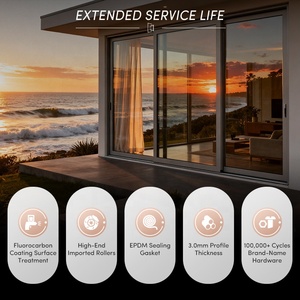
DERCHI utilizes high-tensile 6063-T6 and 6061-T6 architectural aluminum profiles with wall thicknesses ranging from 2.0mm to 3.5mm. Extrusions are calibrated to prevent deflection under extreme design pressures exceeding +100/-100 PSF.
Laminated Glass Interlayers
Safety glazing configurations integrate multi-layer PVB or SentryGlas (SGP) ionoplast structural interlayers by Kuraray. SGP interlayers provide up to 5 times the tear strength and 100 times the rigidity of conventional PVB laminates.
| Performance Criterion | Test Methodology / Standard | Technical Threshold Benchmark | DERCHI Factory Specification Value |
|---|---|---|---|
| Structural Wind Load Resistance | ASTM E330 / AS 2047 / EN 12210 | Class C3 - C5 (≥ 2000 Pa) | AS 2047 N6 Rating (≥ 4500 Pa) / DP ±90-120 PSF |
| Air Infiltration Performance | ASTM E283 / EN 12207 | Class 4 (≤ 3.0 m³/h·m²) | ≤ 0.1 CFM/ft² (Continuous EPDM Multi-Gaskets) |
| Water Penetration Resistance | ASTM E331 / EN 12208 | ≥ 700 Pa / 15 PSF static head | Class 9A (≥ 1050 Pa) with Sub-Sill Weep Drainage |
| Thermal Transmittance (U-Value) | NFRC 100/200 / ISO 10077-2 | U ≤ 1.8 W/m²·K (EnEV/Part L) | U_d 1.1 - 1.4 W/m²·K (Isobaric PA66 Thermal Breaks) |
| Forced Entry Security | EN 1627-1630 / PAS 24 | RC2 / RC3 Resistance Class | RC3 Certified Multi-Point Hook Locking Systems |
Emerging Trends in Global Aluminum Impact Door Procurement
Architects, commercial developers, and high-volume fenestration importers are navigating structural shifts driven by building codes, environmental resilience, and aesthetic trends.
Oversized Architectural Formats
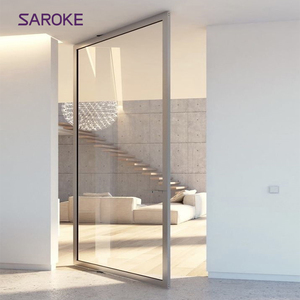
Modern luxury villas demand monumental clear floor-to-ceiling spans. Pivot doors exceeding 2.5 to 3.5 meters in height and 2.0 meters in width require precision floor-bearing pivot hinges with hydraulic dampening and zero structural sag.
Factory-level balancing eliminates leaf deflection under self-weight while maintaining hurricane impact seal compression across all contact perimeter planes.
Consolidated Factory Sourcing
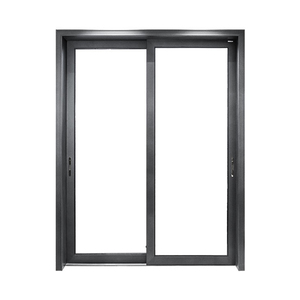
Commercial contractors and multi-villa builders are moving away from multi-vendor sourcing. Procuring entry pivot doors, impact sliding patio walls, interior doors, and architectural garage systems from a single integrated facility reduces freight waste and misalignment risk.
Coordinated CAD shop drawings and unified batch-level RAL color management ensure profile matching across entire building packages.
Thermal Break + Structural Integrity
Legacy impact doors frequently prioritized structural thickness over thermal performance. New energy legislation (such as Germany's GEG, UK Building Regs Approved Document L, and US IECC codes) now mandates stringent overall envelope U-values.
The standard now demands polyamide 66 thermal isolation channels reinforced with 25% glass fiber alongside heavy architectural laminated impact glass.
Guangdong Dejiyoupin Doors & Windows Co., Ltd. (DERCHI)
Recognized among China’s top tier manufacturers of architectural fenestration systems. Operating out of Foshan—the world capital of industrial aluminum extrusion—DERCHI manages an end-to-end 180,000 square meter industrial park supporting residential, commercial, and hospitality developments globally.
- Schüco UK Verified Supplier: Selected by a long-term British Schüco partner for luxury residential villa programmes in Europe.
- Australian AS 2047 N6 Highest Rating: Passing extreme cyclic wind and water resistance testing at national accredited laboratories.
- Dedicated R&D Engineering: Over 100 patents and design certifications backed by 600+ production specialists.
- Global Shipping Assurance: Reinforced custom export steel-crate packaging destined for Rotterdam, Hamburg, Los Angeles, and Miami.

Frequently Asked Questions on Importing Impact Doors
Technical, logistical, and compliance considerations when purchasing aluminum impact doors directly from Chinese manufacturing facilities.
How do Chinese manufacturers prove that impact ratings meet Western building codes?
What is the standard production lead time and export crating protocol for ocean transit?
Can profile systems be adapted to local hardware and smart security integration?
How are warranty claims, glass breakage, or missing components handled remotely?
What surface treatment finishes best withstand coastal salt-spray exposure?
Coordinate Your Architectural Door Project With DERCHI Engineers
Submit your door schedules, elevation drawings, structural design pressure requirements, or CAD/BIM specifications. Receive a comprehensive technical proposal, section details, and verified factory quote within 24 hours.
Send an Inquiry