Engineered Aluminum Storm & Architectural Enclosure Systems
Precision-extruded 6063-T6 thermal barrier profiles, acoustic laminated glazing, and extreme wind-load engineered storm assemblies manufactured directly in our Foshan industrial cluster.
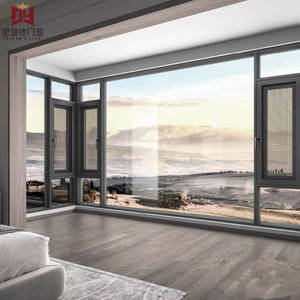
Aluminum Double Tempered Windproof Swing Casement
- Alloy: 6063-T6 Marine Grade
- Glass: 5mm+12A+5mm Tempered
- Sealing: Dual EPDM Gaskets
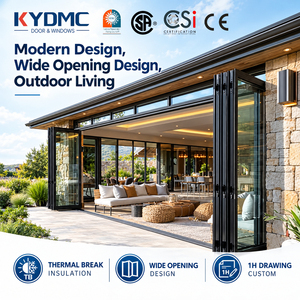
Thermal Break Exterior Bi-Fold Glass Storm Door
- Polyamide PA66GF25 Barrier
- Heavy Duty Top-Hung Rollers
- Weather Tight Compression
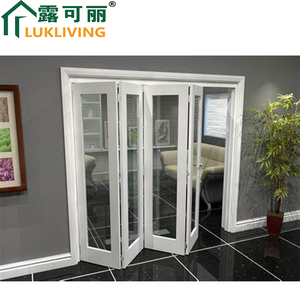
Lukliving Precision Architectural White Grill Bi-Fold Door
- Structural Colonial Glazing Bar
- Anti-Corrosion AkzoNobel Powder
- Multi-Point Interlocking Security
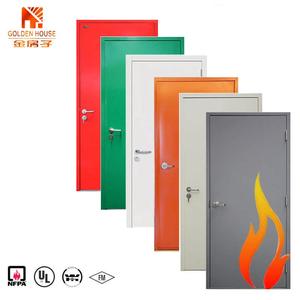
USA Standard Commercial Fire-Proof Exterior Door
- UL 10C / NFPA 252 Compliance
- Up to 90-Min Fire Endurance
- Reinforced Panic Hardware Mount
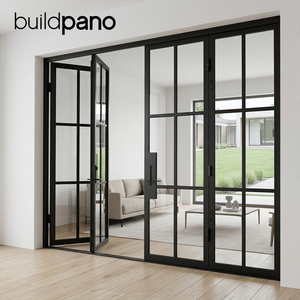
Luxury Heritage French Aluminum Partition & Storm Door
- Ultra-Slim Sightline Profiles
- Acoustic Interlayer PVB Glass
- Seamless Corner Joint Crimping
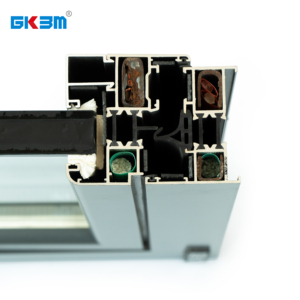
GKBM Anthracite Grey Double-Glazing Thermal Casement
- Low-E Argon Filled Insulated Unit
- Multi-Chamber Thermal Insulation
- European Standard Hardware Groove
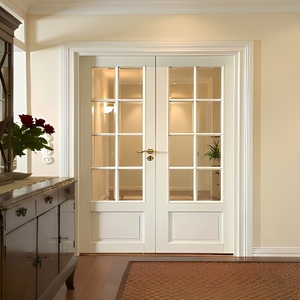
Hurricane Impact Minimalist French Exterior Storm Door
- SentryGlas® High-Impact Core
- Tested for AS 2047 N6 & TAS 201
- Integrated Micro-Mesh Screen
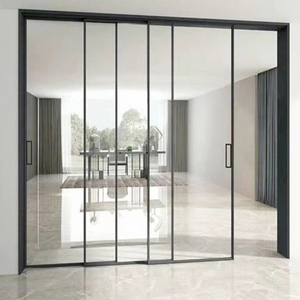
HONCHAM Soundproof Heavy Alloy Sliding Storm Door
- Acoustic Rating: Rw 42 dB
- Stainless Steel Track Guides
- Heavy Wind-Load Anti-Lift Stops
Technical White Paper: Industrial Manufacturing of High-Performance Aluminum Storm Doors
As modern building envelopes face escalating climate severity, escalating thermal building regulations (e.g., European GEG, UK Building Regs Approved Document L, and US Title 24), and stringent storm mitigation protocols, exterior fenestration must bridge structural fortification and thermal neutrality. As China's premier architectural aluminum manufacturer situated in Foshan's high-tech industrial manufacturing hub, Guangdong Dejiyoupin Doors and Windows Co., Ltd. (DERCHI) operates at the vanguard of heavy-duty extrusion, precision CNC machining, and automated thermal break crimping.
An aluminum storm door is no longer merely a secondary cosmetic barrier; it is an engineered primary defense mechanism against kinetic hurricane impacts, wind-driven rain penetration, continuous cyclical pressure fatigue, and excessive conductive heat transfer. Utilizing high-tensile primary aluminum alloy 6063-T6 and 6061-T6 (eschewing secondary scrap alloys entirely), our factory controls the whole metallurgical life cycle—from billets and die extrusions to surface anodization, fluoropolymer electrostatic spraying, and robotic silicone hermetic sealing.
Structural Metallurgy and Alloy Composition for Extreme Climates
The core structural integrity of our storm door systems relies upon precision metallurgical control. By strictly calibrating magnesium and silicon ratios within our 6063-T6 and 6061-T6 extrusions, DERCHI delivers an ultimate tensile strength exceeding 240 MPa and a yield strength exceeding 205 MPa, paired with a minimum web thickness of 2.0mm to 3.0mm across structural jambs and door leaves. In coastal hurricane-prone areas, our extrusions are treated with Qualicoat Class 2 certified powder coats or AAMA 2605 fluorocarbon (PVDF) 3-coat systems, demonstrating exceptional resistance to 3,000-hour neutral salt spray tests (ASTM B117) and UV-induced chalking.
Engineering Performance Metrics & Compliance Standards
DERCHI aluminum storm doors are independently audited and certified under harmonized international standards, guaranteeing predictable in-situ performance for engineering consultancies, facade engineers, and volume procurement distributors worldwide:
| Performance Characteristic | Test Methodology / Standard | Certified Performance Level | Engineering Specification Significance |
|---|---|---|---|
| Structural Wind Load Resistance | AS 2047 N6 / ASTM E330 / EN 12210 | Serviceability: 3500 Pa Ultimate: Up to 5000 Pa (Class C5) |
Withstands Category 5 hurricane wind pressures without leaf deflection or hardware disengagement. |
| Large Missile Impact & Cyclic Fatigue | ASTM E1886 / ASTM E1996 / TAS 201/203 | Pass: 9 lb 2x4 timber projectile at 50 ft/s + 9,000 pressure cycles | Mandatory compliance for Florida HVHZ (High-Velocity Hurricane Zone) and Caribbean coastal perimeters. |
| Water Tightness under Dynamic Pressure | EN 12208 / AAMA 501.1 / AS 2047 | Class 9A (600 Pa) / Dynamic water penetration zero leakage | Triple continuous vulcanized EPDM compression seals prevent internal water ingress during monsoons. |
| Thermal Transmittance (U-Value) | ISO 10077-1 / ISO 10077-2 / NFRC 100 | Ud ≤ 1.1 W/(m²·K) to 1.6 W/(m²·K) | Engineered multi-cavity PA66GF25 polyamide thermal barriers mitigate condensation and energy loss. |
| Air Permeability / Leakage | EN 12207 / ASTM E283 | Class 4 (≤ 3 m³/h·m² at 100 Pa) / ≤ 0.1 cfm/ft² | Eliminates envelope draft infiltration, drastically optimizing building HVAC efficiency. |
| Burglar Resistance Security Class | EN 1627 - EN 1630 (RC2 / RC3) | Certified RC2 to RC3 Resistance Levels | Multipoint European anti-jemmy locking gear integrated into structural perimeter rebate channels. |
Factory Manufacturing Capabilities & OEM/ODM Enterprise Strengths
As recognized among the premier door and window fabrication powerhouses in China, DERCHI brings comprehensive industrial integration to project owners, contractors, and international window and door brands. Unlike assembly workshops, our 180,000 square meter industrial infrastructure in Nanhai District, Foshan integrates the entire manufacturing ecosystem under ISO 9001, ISO 14001, and ISO 45001 certified protocols.
180,000 m² Mega Industrial Complex
Equipped with four-axis CNC profile machining centers, computerized double-mitre sawing lines, automated thermal break insertion equipment, and high-precision corner crimping presses guaranteeing +/-0.5mm tolerances.
Stringent Quality & International Approvals
Fully compliant with European CE marking (EN 14351-1), Australian AS 2047 N6 (highest wind rating), American UL 10C fire safety certifications, and certified testing for Hurricane Impact HVHZ zones.
In-House CAD/BIM Architectural Shop Drawings
Our dedicated facade engineering division provides complete shop drawings, anchor calculations, section profiles, and structural static analyses tailored to custom door schedules at zero cost prior to production.
Direct One-Stop Architectural Procurement
Consolidate diverse envelope requirements: combine aluminum storm doors, heavy pivot systems, cast aluminum entry barriers, interior wooden doors, and automated garage door systems into single, scheduled container shipments.
Proven European & Global Project Heritage
Selected by renowned UK partners (including multi-villa luxury schemes collaborating alongside Schüco standards), North American distributors, Australian commercial complexes, and Middle Eastern private estates.
Dedicated Timezone Technical Engineering Support
English-fluent project managers and facade engineers providing real-time technical consultation across CET, GMT, and EST business schedules, from initial bill of quantities (BOQ) review to remote jobsite installation oversight.
Future Procurement Trends in the Commercial Storm Door Sector
Institutional real estate developers, building material importers, and commercial general contractors are actively recalibrating their global supply chains. Procuring aluminum storm doors and envelope systems from China has shifted from simple labor arbitrage to sophisticated engineering partnerships. B2B buyers must anticipate five key purchasing vectors governing the next decade:
Total Cost of Ownership & ESG Carbon Auditing
Procurement departments now prioritize low-carbon aluminum smelted with renewable hydro energy, accompanied by verified Environmental Product Declarations (EPD) to fulfill LEED and BREEAM certifications.
Third-Party Audited Factory Traceability
Buyers require uninterrupted metallurgical chain of custody, raw material test certificates (MTC EN 10204 3.1), and real-time remote factory auditing via interactive 360-degree VR walkthroughs.
Pre-Engineered Prefabricated Unitization
To counteract high Western jobsite labor costs, contractors demand pre-glazed, pre-hung, factory-shimmed storm door subframes that snap-fit directly into structural rough openings.
Dual-Hazard Security & Storm Convergence
Eliminating multi-door clutter: new procurement specifications mandate single door leaves capable of simultaneous Class RC3 anti-burglary defense and Category 5 missile impact protection.
Technological & Design Evolution Trends of Storm Doors
The architectural storm door segment is transitioning from utilitarian secondary screening to a primary high-tech facade design element. Research and development at DERCHI centers on four critical technological breakthroughs shaping future specifications:
Structural Minimalist Sightlines
Engineering profile cross-sections with integrated concealed hinges and structurally glazed glass sashes, expanding daylight glass ratios to 88% while preserving 4,500 Pa wind resistance.
Smart IoT & Motorized Envelope Integration
Concealed motorized multipoint locks, biometric entry sensors, integrated micro-reed alarm switches, and smart home bus (KNX, Zigbee) connectivity concealed within thermal break chambers.
Advanced Structural Interlayers (SentryGlas®)
Replacing traditional PVB with ionoplast interlayers (Kuraray SentryGlas®) that provide 5x the tear strength and 100x the rigidity, keeping post-breakage storm door leaves rigid against storm winds.
Adaptive Nanotech & Super-Hydrophobic Coatings
Application of nanostructured fluoropolymer surface treatments that repel sea-salt deposits, grease, and industrial grime, preventing coastal degradation and ensuring maintenance-free performance.
Frequently Asked Questions: B2B Sourcing & Engineering Guidance
Direct technical answers addressing the critical parameters verified by facade engineers, quantity surveyors, and international procurement heads prior to placing contract orders:
How does DERCHI ensure structural wind compliance for coastal hurricane zones?
Our engineers perform finite element analysis (FEA) on aluminum extrusion moments of inertia (Ix, Iy) according to regional wind pressure tables. For high-wind jurisdictions, profiles are reinforced with internal galvanized steel cores, multi-point deadbolts, and structural silicone-glazed (SSG) laminated glass tested to AS 2047 N6 and ASTM E1886/E1996 cyclic parameters.
What is the standard lead time from CAD sign-off to port dispatch?
Standard custom architectural orders take 25 to 35 business days following technical CAD drawing approval and finish color sign-off. High-volume container orders or complex projects utilizing custom structural extrusion dies are assigned scheduled rolling mill production slots to guarantee strict delivery commitments to major European and global ports.
Can DERCHI customize storm doors to match existing European door schedules?
Yes. Our in-house engineering group utilizes AutoCAD and Revit to generate complete 1:1 scale shop drawings matching your door schedule dimensions, opening handings, RAL color specifications, glazing build-ups (e.g. low-E, acoustic PVB), and custom threshold transitions compliant with local barrier-free disability regulations.
How are fragile oversized glass assemblies protected for long-haul sea freight?
Export packaging complies with strict oceanic shipping standards. All aluminum surfaces receive peelable protective film, corners are shielded with high-density EVA shock protectors, and finished door leaves are packed inside fumigated, fully enclosed solid plywood crates with integrated desiccant packs to eliminate maritime humidity corrosion.
What hardware systems and finishes are integrated into your storm doors?
We source world-class architectural hardware including German Siegenia, GU, Hoppe, and custom heavy-duty 316 stainless steel friction stays and multi-point perimeter locks. Finishes include Qualicoat Class 1 & 2 electrostatic powder coatings, Decoral heat-transfer realistic wood grain, and 25-micron architectural anodizing.
Do DERCHI storm systems satisfy strict building envelope thermal envelope codes?
Yes. By pairing multi-chamber polyamide thermal break profiles (PA66GF25) with double or triple insulated glazing units featuring warm-edge spacers and argon gas filling, our storm doors achieve overall system U-values as low as 1.1 W/(m²·K), comfortably surpassing Germany's GEG, UK Approved Doc L, and US Energy Star criteria.
Ready to Engineer Your Project's Storm Envelopes?
Submit your architectural schedule, project drawings, or tender specifications. Our senior facade engineering team will deliver a comprehensive technical proposal, structural feasibility audit, and factory-direct commercial quotation within 24 hours.