Engineered Aluminium Door, Window & Jali Screen Assemblies
Direct from Foshan's premier manufacturing base: browse our high-demand architectural configurations featuring integrated safety glazing, micro-mesh mosquito barriers, vertical bi-fold systems, and heavy-duty aluminium lattices.
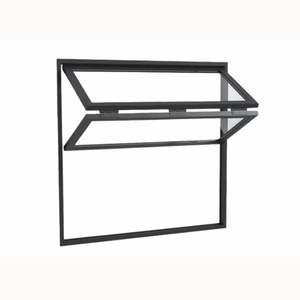
New Innovation Aluminum Alloy Vertical Folding Frameless Bifold Window Modern Design Exterior Balcony Kitchen Soundproof Thermal
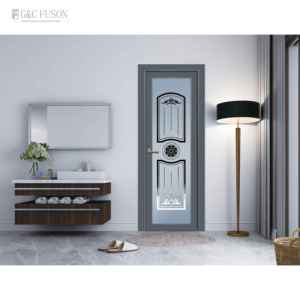
Customized Black Aluminium Frame Casement Doors Handle With Tempered Glass Swing Double Glazing French Casement Window On Sale
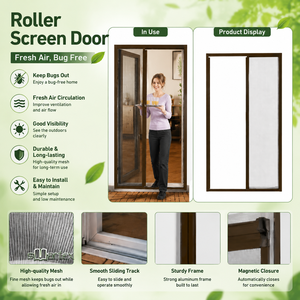
Diy Custom Size Retractable Pleated Insect Screen Door Fiberglass Mesh Door System Anti Mosquito Aluminum Roller Screen Door
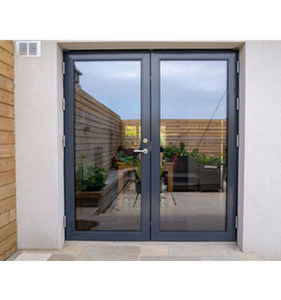
French Open Aluminum Alloy Steel Glass Door Double Entry Side Opening Modern Graphic Design For Hotel Exterior Finished Surface
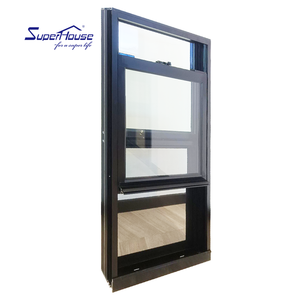
Single Double Hung Sliding Bulletproof windows Aluminum Glass Pull Up windows
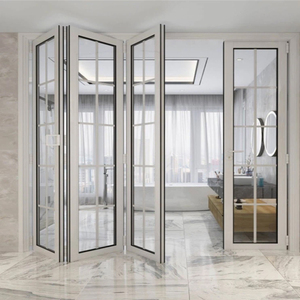
Safety Glass Aluminum Bi Folding Door Heavy Duty Frame Wide Opening Modern Design Stable Folding Door
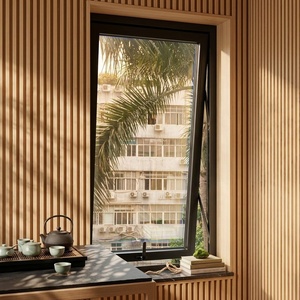
Aluminum Casement Window-Slim Profile for Modern Architects-Removable Stainless Steel Screen-Sleek Anthracite Grey
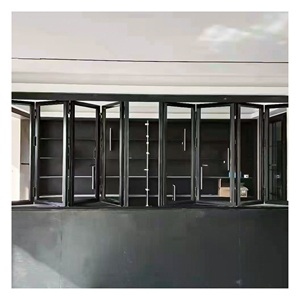
Aluminium Bi Fold Window Profile Fold up Glass Windows Best Selling High-End Vertical Folding Window
The Metallurgy and Mechanics of Aluminium Jali Door Systems
Aluminium Jali—historically rooted in the intricate perforated screens (mashrabiya and pierced stone jali) of subtropical and oriental architecture—has evolved into a mission-critical structural component for modern external building envelopes. Today's commercial suppliers and exporters engineer these assemblies using high-purity aluminium-magnesium-silicon alloys (chiefly 6063-T5/T6 and cast A380/ADC12) to serve five simultaneous functions: physical burglar resistance, insect and vermin exclusion, solar heat gain attenuation, continuous passive cross-ventilation, and aesthetic visual privacy.
Alloy Chemistry & Tensile Resilience
Fabricated using prime billet 6063-T6 (tensile strength ≥ 215 MPa, yield strength ≥ 170 MPa) or gravity/pressure cast ADC12 aluminium plates. The mechanical profile prevents thermal warpage under intense direct insolation and maintains structural rigidity during attempted forced entry.
Fiber Laser & 3D CNC Routing
Utilizing high-power (12kW–20kW) industrial fiber laser cutters with optical tolerance limits within ±0.05 mm. Intricate geometric arabesques, micro-slotted lattices, or parametric diamond perforations are produced with burr-free chamfered edges ready for uniform powder adhesion.
Multi-Barrier Hybrid Sandwiching
Modern export-grade jali doors feature a dual- or triple-layer leaf architecture: an external structural aluminium jali grille, a central marine-grade 316 stainless steel wire screen (0.8mm wire diameter, 11-mesh) for anti-mosquito barrier, and an interior thermal glass panel.
Comparative Engineering Matrix: Aluminium Jali Door Configurations
When specifying aluminium jali systems for wholesale export, international project developers must evaluate mechanical load capacity, anti-corrosion endurance, daylight transmittance, and testing compliance.
| Jali Architectural Typology | Material Core & Gauge | Surface Treatment Class | Airflow / Daylight Ratio | Impact / Security Standard | Target Applications |
|---|---|---|---|---|---|
| CNC Laser-Cut Plate Jali | 5052-H32 / 6061-T6 (4.0mm – 8.0mm) | AkzoNobel PVDF (3-Coat, 45μm) | 35% – 58% Variable | EN 1627 RC2 / AS 5041 (100J Dynamic) | Luxury Villa Portals, Modern Townhouses |
| Cast Solid Relief Aluminium Jali | A380 / ADC12 Pure Ingot (10mm – 25mm) | Electrophoresis & Fluorocarbon Bake | 20% – 42% Sculpted | EN 1627 RC3 / High Intruder Barrier | Heritage Manors, Palaces, Embassy Gates |
| Heavy Interlocking Extruded Jali | 6063-T5 Tubular Lattice (2.0mm Wall) | Qualicoat Cl. 2 Super-Durable Powder | 50% – 72% High Flow | AS 5039 Security Grille Standard | Subtropical Commercial Lobbies, Multi-Family |
| Hybrid Mesh & Jali Screen Door | 6063 Extrusion + 316 SS Wire (0.9mm) | Anodized (25μm) + Polyester Powder | 45% Natural Draft | Knife Shear & Salt Spray ≥ 1,500 Hrs | Coastal Resorts, High-Pest Tropics |
Future Procurement & Product Development Trends (2025–2030)
The global building envelope landscape is experiencing a paradigm shift. Buyers, contractors, and project distributors must anticipate four critical trends driving the high-end architectural door and jali screen sector over the next decade.
Thermal Break Integration
Traditional jali doors were uninsulated screen leaves. Tomorrow's standard mandates polyamide thermal break profiles (PA66 GF25) integrated directly into jali frames, delivering overall door thermal transmittance values of UD ≤ 1.3 W/(m²·K) to comply with Germany's GEG and UK Part L codes.
IoT Biometric Security Locks
Mechanical keys are giving way to hidden electronic multi-point mortise locking mechanisms (3D Face Recognition, RFID, Tuya / Zigbee smart home automation) seamlessly encased inside hollow extruded jali stiles without compromising structural integrity or aesthetics.
Solar Shading & Decarbonization
Architects are applying computational fluid dynamics (CFD) and daylight simulations to determine custom jali perforation densities. By micro-tuning screen open-area ratios, buildings reduce HVAC chiller energy consumption by 22% while admitting optimized natural illuminance.
Low-Carbon Recycled Billets
Driven by the EU Carbon Border Adjustment Mechanism (CBAM) and US LEED v4 certifications, tier-1 Chinese manufacturers are switching to certified low-carbon circular aluminium (certified post-consumer smelting producing ≤ 4.0 kg CO₂ per kg aluminium).
Why Global Tier-1 Contractors Partner with Guangdong Dejiyoupin (DERCHI)
Operating from Shishan Town, Nanhai District, Foshan—the world capital of precision aluminium extrusions—Guangdong Dejiyoupin Doors and Windows Co., Ltd. (DERCHI) represents the pinnacle of Chinese door engineering with an uncompromising commitment to international standards.
Engineering Credibility Proven on Global Projects
Recognized as one of the top 10 premium door and window brands in China, DERCHI supplies fully integrated door schedules directly to architects, general contractors, and distributors across Europe, North America, Australia, and the Middle East. Notably, a long-term British partner of German Schüco selected DERCHI to manufacture precision custom door assemblies across multiple luxury villa developments—verifying that our factory tolerances, surface finishes, and hardware integration compete directly with Europe's most rigorous benchmarks.

Free CAD & BIM Engineering Support
Every commercial tender or custom door order receives fully coordinated CAD shop drawings, cross-section extrusions, and hardware installation details tailored to your structural wall envelope—eliminating on-site rework.
Synchronous CET & GMT Timezone Engineering
Our bilingual fenestration engineers synchronize working hours with European, Middle Eastern, and American schedules, providing rapid turnaround for structural calculations, quotes, and fabrication schedule updates.
Export-Grade Armored Packaging
Doors, screens, and jali panels are sealed in multi-layer PE film, corner-armored with heavy EPE foam, and packaged inside fumigation-free solid timber crates, engineered for zero abrasion during containerized ocean transit.
Frequently Asked Questions: Aluminium Jali Door Sourcing
Detailed technical answers to common questions raised by architects, façade engineers, property developers, and wholesale import distributors.
What are the exact material grades and thickness specifications used for export-grade aluminium jali panels?
How do aluminium jali screen doors perform against aggressive salt air and tropical coastal corrosion?
Can architects supply bespoke CAD/DWG pattern files, and what are the minimum machining tolerances?
How do you integrate insect protection and thermal insulation into an ornamental jali entrance door?
What are the factory's Minimum Order Quantities (MOQ), standard lead times, and global delivery terms?
What testing certifications validate that these jali doors comply with Western security building codes?
Launch Your Architectural Door Specification Today
Consult directly with our Foshan fenestration engineers for free CAD shop drawings, custom jali pattern scaling, and comprehensive door schedule quotations for your upcoming project.