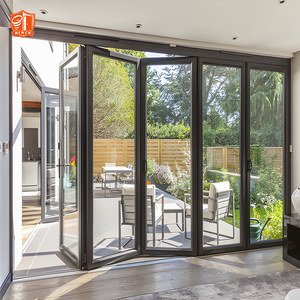
Multi-Panel Bi-Fold System
Every exterior aperture requires an uncompromising synergy between aesthetic perforated screening, micro-climate thermal regulation, and certified structural wind-load durability. Explore our factory-direct precision systems.
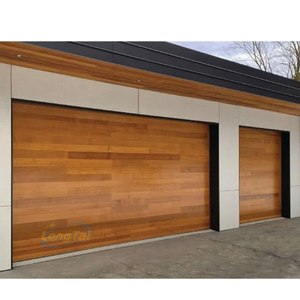
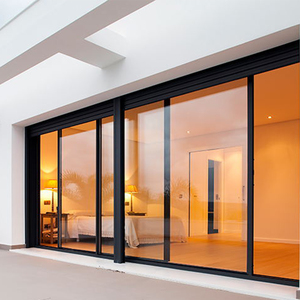
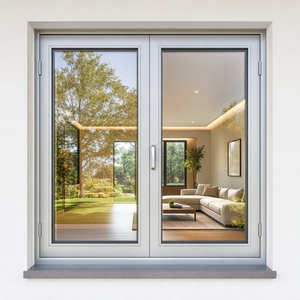
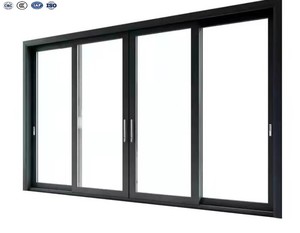
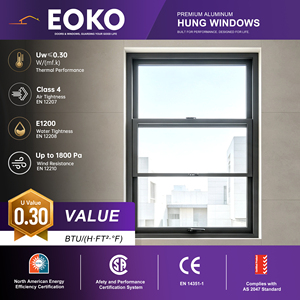
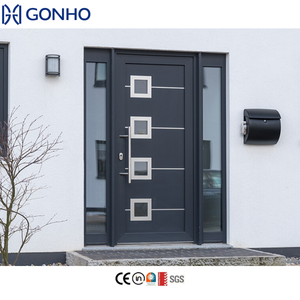
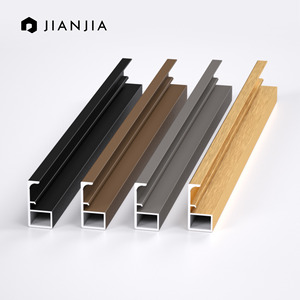
In modern fenestration architecture, the perforated aluminium jali (lattice screen) has transitioned from an ornamental sun-shade into a structurally verified building enclosure component capable of thermal reduction, hurricane mitigation, and forced-entry deterrence.
| Engineering Attribute | Standard Commercial Jali | DERCHI Industrial-Grade CNC Jali | Compliance Verification Standard |
|---|---|---|---|
| Alloy Chemistry & Temper | Recycled Secondary Scrap 6061-T4 | Virgin Billet 6063-T6 / 6061-T6 High Magnesium | ASTM B221 / EN 755-2 Standard |
| Perforation Precision & Tolerances | Mechanical Die Stamping (±1.5 mm tolerance) | Multi-Axis Fiber Laser & CNC Milling (±0.08 mm) | ISO 2768-m Precision Threshold |
| Surface Corrosion Treatment | Standard Air-Dried Spray (40-50 Micron) | Qualicoat Class 2 Fluorocarbon (PVDF) / AkzoNobel Powder (80-120μm) | AAMA 2605 / 3,000-Hour Salt Spray Testing |
| Wind Resistance & Static Load | Limited deflection resilience (<1.8 kPa) | Reinforced Rib Framing exceeding 4.5 kPa (Hurricane Ready) | AS 2047 N6 & ASTM E1886/E1996 Large Missile |
Installing an external aluminum jali screen creates an uncoupled micro-climatic cavity directly ahead of the glazed fenestration envelope. This physical barrier intercepts incident direct-beam infrared radiation before it impinges upon low-emissivity glass assemblies.
Modern commercial window jali assemblies replace archaic security bars by incorporating high-shear structural aluminum latticework engineered into perimeter interlocking extrusions. This provides architectural elegance without prison-like aesthetics.
Solid glass windowpanes act as planar diaphragms that reflect and amplify ambient low-frequency urban traffic reverberations. The fluid dynamics of laser-perforated jali patterns act as tuned acoustic diffusers.
Global procurement officers, facade contractors, and tier-1 property developers are adjusting specifications toward high-yield fabrication standards, environmental declarations, and smart envelope interactivity.
Developers are eliminating repetitive die-cast motifs in favor of algorithmic, generative facade perforation profiles. Our direct BIM-to-CAM pipeline translates Revit and Rhino architectural geometries into multi-axis CNC routing instructions without tooling setup surcharges.
European and North American tenders increasingly mandate Environmental Product Declarations (EPD). Procuring billets extruded via hydroelectric smelters with certified post-consumer content guarantees LEED v4.1 and BREEAM compliance across key commercial projects.
Static jali screens are progressing toward dual-axis motorized sliding and folding louvers tied directly into building management systems. Sun-tracking sensors adjust aperture angles throughout the diurnal solar cycle to maximize passive day-lighting while halting peak thermal gain.
Instead of ordering window framing, insulated glass units, insect screening, and exterior jali from divergent suppliers, contractors prioritize single-source pre-glazed sub-assemblies tested and warrantied as a cohesive building envelope module.
Trading as DERCHI, we operate at the epicenter of global architectural aluminum manufacturing in Foshan, China. Combining European engineering rigor with vertically integrated production scale, we empower commercial builders worldwide.
Equipped with computerized high-precision extrusion saws, heavy-duty 4-axis CNC machining centers, automated German corner crimping lines, and electrostatic powder coating bays capable of churning out massive architectural facade volumes reliably.
Our dedicated engineering department holds over 30 proprietary structural and aesthetic utility patents. Every shop drawing is refined in-house to reconcile architectural vision with empirical wind-load, deflection, and water-tightness parameters.
Recognized as one of the Top 10 door and window brands in China. Over two and a half decades, DERCHI has supplied prestige high-rise condominiums, seaside villas, five-star hospitality suites, and commercial centers spanning 60+ countries.
A long-term British partner of German Schüco entrusted DERCHI to supply windows, doors, and facade systems for an extensive multi-villa development program in the United Kingdom—serving as undeniable testament to our high-precision tolerances.
Fully certified under ISO 9001 quality management, carrying European CE markings (EN 14351-1), Australian AS 2047 N6 cyclonic rating (the highest testing category for air, water, and cyclic wind), as well as UL-certified fire-resistant assemblies.
Streamline logistical supply chains by sourcing your entire architectural aperture schedule—laser-cut aluminum jali screens, hurricane impact sliding windows, large pivot entry doors, and heavy commercial curtain walls—from one audited manufacturer.
Crucial metallurgical, logistics, and certification advice tailored for international project managers, general contractors, and hardware importers.