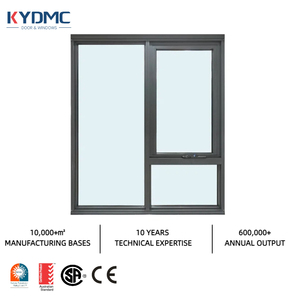
OEM/ODM Aluminium Coated Windows Supplier & Manufacturers
Precision Architectural Engineering, Advanced Fluorocarbon Surface Finishing, and Strict International Compliance for Global Building Envelopes
Portfolio Solutions
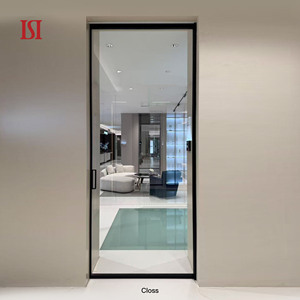
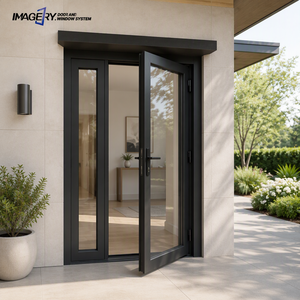
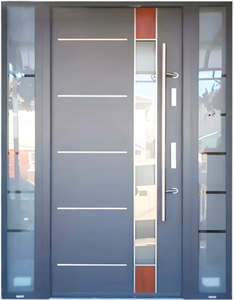
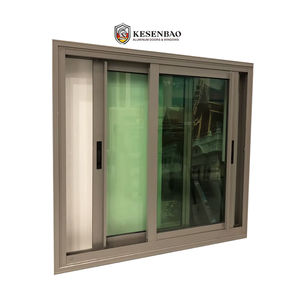
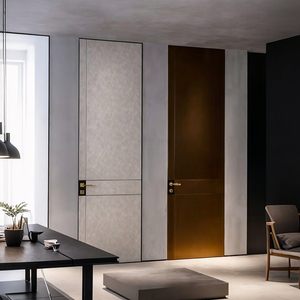
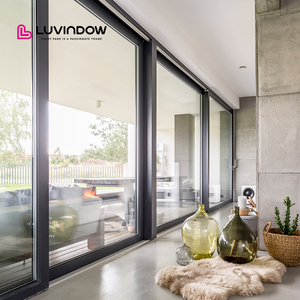
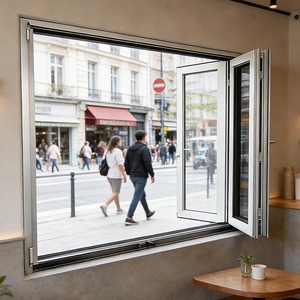
Precision-Engineered Architectural Assemblies
Custom OEM/ODM configurations engineered for high wind load tolerance, maximum acoustic isolation, and superior thermal performance across demanding international projects.
180,000
m² Production Base
25+
Years Manufacturing Mastery
100+
Global Patents & Certs
600+
Technical Craftsmen & Engineers
Comprehensive Engineering Guide: Material Specification & Extrusion Substrates
In modern architectural fenestration, the specification of an OEM/ODM aluminium coated windows supplier extends far beyond standard aesthetic curation. Contemporary facade engineering requires structural reliability across high-rise wind loads, severe solar radiation, and corrosive marine microclimates. Our primary structural extrusions utilize prime architectural 6063-T5 and structural 6061-T6 virgin aluminum alloys, tightly monitored under EN 755 and ASTM B221 metallurgic frameworks to ensure chemical consistency, minimal alloy inclusions, and optimal ductility under intense thermodynamic shifts.
"Architectural fenestration life expectancy relies fundamentally on interfacial adhesion between the chemical pretreatments, conversion layers, and surface coating polymers under sustained exposure to cyclic UV, thermal differentials, and chemical corrosion."
By leveraging advanced polymethyl methacrylate (PMMA) or polyvinylidene fluoride (PVDF) electrostatic coatings, alongside multi-layer fluoropolymer liquid and hyper-durable thermoset powder architectures, our OEM and ODM extrusion suites achieve remarkable structural longevity. Our surface treatments consistently exceed AAMA 2604 and AAMA 2605 specifications, demonstrating retention of film integrity, high abrasion resistance, and micro-crack deflection after 4,000+ hours of continuous neutral salt-spray (ASTM B117) and Xenon-arc accelerated artificial weathering (ISO 4892-2).
Polyamide Thermal Barriers
Engineered with PA66 GF25 (25% glass fiber reinforced polyamide) structural struts. Effectively truncates linear thermal bridging, driving assembly U-values down below 1.1 W/m²K (approaching German Passive House standards) while withstanding extreme transverse and shear loads.
PVDF & Fluoropolymer Chemistry
Advanced Kynar 500® resin systems electrostatically applied in automated vertical paint lines. Cured at high temperatures to provide exceptional chemical inertness against acid precipitation, environmental pollutants, chalking, and heavy solar degradation.
Fenestration Envelope Interoperability
Bespoke die manufacturing tailored to structural building envelopes, allowing curtain wall sub-frame integrations, recessed zero-threshold transitions, and large-format glass installations without compromising weather-tightness or structural rigidity.
Technical Validation
Engineering Matrix: Coating Performance Criteria
A comparative structural overview detailing physical coating technologies and architectural performance characteristics verified via certified third-party testing.
| Coating Classification | Dry Film Thickness (DFT) | Salt Spray Exposure (ASTM B117) | South Florida UV Weathering | Primary Application Profile |
|---|---|---|---|---|
| Super Durable Powder (AAMA 2604) | 60 – 80 µm | 3,000 Hours (Corrosion-Free) | 5 Years Direct Solar Exposure | Standard Mid-Rise Commercial & Premium Residential |
| Fluoropolymer / PVDF (AAMA 2605) | 30 – 45 µm (2-3 Coat System) | 4,000+ Hours Integrity | 10+ Years Color Retention (ΔE < 5) | Coastal Developments, High-Rise Envelopes, Heavy Industrial |
| Architectural Anodizing (Class I) | 18 – 25 µm | 3,000 Hours Intermittent | Superior Integral Hardness | High-Touch Commercial Entrances & Modern Urban Façades |
| Sublimated Wood-Grain Powder | 65 – 85 µm | 2,500 Hours Stable | 3-5 Years Weather Resistance | Luxury Heritage Villas, Eco-Resorts & Bespoke Renovations |
Industry Foresight
Future Sourcing & Procurement Trends (2026–2030)
How progressive developers and procurement executives are adapting their supply chain strategy for modern architectural, regulatory, and sustainability mandates.
Circularity & Low-Carbon Billets
Global regulatory pressure, notably the European Carbon Border Adjustment Mechanism (CBAM), is accelerating the adoption of low-embodied-carbon aluminum. Leading projects require ASI-certified (Aluminium Stewardship Initiative) billets melted with renewable hydroelectric power, paired with green closed-loop anodizing chemistry.
Smart Micro-Electromechanical Integration
Modern building envelopes demand seamless convergence with building management systems (BMS). Procurement trends demonstrate rising demand for concealed multi-point motorized locking channels, smart aerodynamic actuator integration, and hidden magnetic contact sensors factory-milled inside the extrusion profile.
Ultra-Narrow Sightlines & Oversized Spans
Architects continue to minimize visible framing lines in favor of continuous transparent vistas. This shift necessitates higher-strength 6061-T6 reinforcement fins, structural silicon adhesive bonding systems, and flush-floor embedded sliding sub-sills capable of carrying 500kg+ moving sash weights with single-finger operation.
Operational Excellence
Enterprise Capabilities: Why Global Specifiers Choose DERCHI
Guangdong Dejiyoupin Doors and Windows Co., Ltd. (DERCHI) stands among China's top-tier manufacturers, bridging international architectural concepts with high-capacity production discipline.
180,000 m² Production Base
Massive fabrication facility in Foshan housing automated extrusion handling, precision CNC 5-axis machining centers, and automated vertical coating lines engineered for volume and accuracy.
International Certifications
Fully certified to meet demanding building standards: CE (EN 14351-1), AS 2047 (N6 cyclone rating in Australia), North American NFRC ratings, and UL fire-rated credentials.
Dedicated Technical R&D
Over 30 patented engineering innovations backed by our specialized engineering department, delivering fully documented shop drawings, structural calculations, and CAD/BIM support.
Validated Global Track Record
Specified by prestige European partners—including a recognized long-term UK Schüco partner for luxury villa complexes—alongside high-profile installations across North America, Australia, and the Middle East.
Procurement Knowledge
Frequently Asked Questions for Global Procurement
Critical considerations, delivery schedules, and technical solutions for architects, main contractors, and wholesale building material importers.
What is the minimum order quantity (MOQ) and production lead time for custom OEM/ODM extrusions?
For custom profile extrusions requiring custom tooling and die fabrication, typical die development takes 10 to 14 days, with initial sample validation within 5 business days post-extrusion. Commercial project MOQ typically starts at 30 to 50 square meters for standardized product families, and 500 kilograms for fully bespoke custom profile geometry. Standard factory production lead times span 25 to 35 business days following final approved shop drawings and hardware sign-off.
How do you verify coating film adhesion and prevent coastal filiform corrosion?
We implement a comprehensive multi-stage chemical pretreatment phase (non-chromate zirconium-based chemical passivation) that thoroughly deoxidizes raw aluminum extrusions, yielding optimal cross-hatch mechanical adhesion (ISO 2409 Class 0 / ASTM D3359). For maritime and coastal building environments, our AAMA 2605-compliant PVDF coatings and marine-grade anodized profiles are tested in strict compliance with ASTM B117 salt-fog requirements, preventing filiform degradation and intergranular surface corrosion.
How are oversized panoramic windows protected during containerized sea transit?
Every completed unit undergoes protective surface tape masking before being wrapped in closed-cell protective pearl cotton (EPE). The assemblies are sealed in heavy-duty 5-layer corrugated cartons and anchored inside fully enclosed fumigated OSB plywood structural crates. For oversized heavy sliding or pivot sash packages, steel frame transport cradles equipped with heavy-duty hoisting anchor points are used to secure panels against dynamic forces, container roll, and pitch during multimodal ocean shipping to European and global ports.
Do you supply certified third-party testing reports for regional building control compliance?
Yes. We provide complete technical data packages including third-party test reports for thermal transmittance calculations (EN ISO 10077), structural wind pressure resistance (EN 12210 / ASTM E330), water tightness (EN 12208 / ASTM E331), acoustic transmission loss (ASTM E90 / EN ISO 717-1), and CE-marked Declarations of Performance (DoP) under EN 14351-1.
Can you integrate specific European or American architectural hardware brands into custom profiles?
Yes. Our engineering shop regularly designs extrusion dies and internal sash cavities around precision hardware suites such as Siegenia, Roto, Hoppe, Sobinco, and Caldwell, alongside proprietary high-load concealed hinges, multi-point transmission gearboxes, and automated magnetic actuator tracks.
Initiate Your Bespoke Project Specification
Our multilingual structural engineering desk provides fast CAD detail reviews, structural wind-load evaluations, and comprehensive commercial quotations tailored to your construction schedule.
Get a Quote