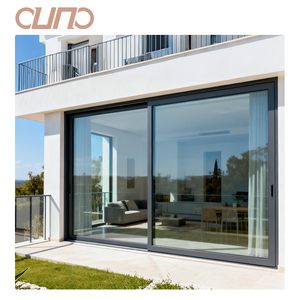
Engineering Selection
Featured Fenestration Systems & Architectural Enclosures
Direct factory configurations manufactured to rigorous international standards (CE, NFRC, CSA, AS2047). Complete modular compatibility across European and North American building codes.
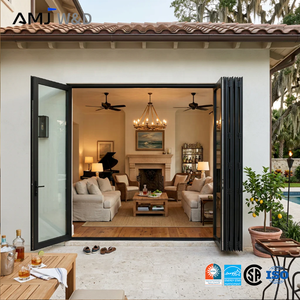
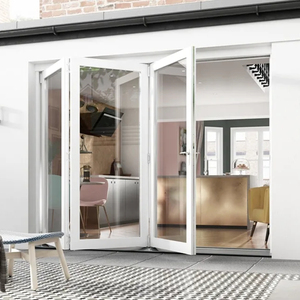
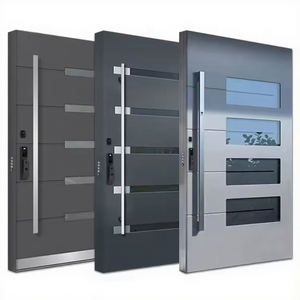
Enterprise Advantage
Why Global Tier-1 Contractors Rely On Our Production Hub
Operating out of Foshan, Guangdong—the core of global primary aluminum smelting and precision extrusions—Guangdong Dejiyoupin Doors and Windows Co., Ltd. (DERCHI) bridges bespoke architectural craftsmanship with institutional production scale.
In modern industrial procurement, navigating the balance between design flexibility, thermal regulatory compliance, and predictable schedule management requires more than mere fabrication capacity. DERCHI functions as a full-cycle OEM/ODM partner. Our production ecosystem is engineered specifically to eliminate friction for foreign building contractors, structural engineers, real estate developers, and international fenestration brand holders who require fully compliant private-label fenestration assemblies.
Selected by a prominent long-term UK Schüco installation partner for an ongoing multi-villa luxury estate, DERCHI has repeatedly validated that Chinese industrial-scale extrusion and fabrication can meet and exceed rigorous German engineering standards. Our factory integrates fully automated CNC 5-axis profile machining centers, robotic corner-crimping lines, dual-component silicone structural glazing cells, and in-line powder coating lines operating under Qualicoat Seaside license, guaranteeing corrosion resilience even in saline maritime environments.
Full Certification Compliance
Complete laboratory testing and verification covering CE (EN 14351-1), NFRC/CSA protocols for North America, and AS 2047 cyclonic-rated N6 parameters for Australian coastal conditions.
Full OEM/ODM Customization
In-house parametric CAD shop drawing production, custom die tooling, proprietary thermal break configurations (PA66 GF25 insulative strips), and bespoke extrusion profiling tailored to project wind-load schedules.
Real-Time Engineering Alignment
Technical sales support aligned with CET, GMT, and EST business zones. Dedicated project engineers prevent dimensional collisions before metal is ever cut, saving valuable installation time on-site.
Industry White Paper
Market Procurement Dynamics & Future Engineering Trends
Strategic analysis of structural fenestration trends across 2025–2030: Addressing stringent thermal building directives, mega-panel stabilization, and smart envelope integration.
The global architectural fenestration sector is experiencing an unprecedented structural transformation. Stringent energy conservation directives—such as the European Union's Energy Performance of Buildings Directive (EPBD), the UK’s Future Homes Standard (Part L revision), and North America's ASHRAE 90.1 standard—have permanently shifted fenestration procurement from simple aesthetics to hard-coded building envelope physics. Below are the key procurement and technological trends dominating commercial and residential architectural specifications:
1. Multi-Chamber Polyamide Thermal Barriers
Standard aluminum framing can no longer satisfy international energy metrics without advanced thermal decoupling. Global procurement is migrating swiftly toward multi-chamber polyamide struts (PA66 reinforced with 25% glass fiber). By integrating low-density aerogel or polyurethane foam filling within the break cavities, contemporary aluminum window profiles achieve overall window thermal transmittance values (Uw) as low as 0.8 to 1.1 W/(m²·K), effortlessly hitting passive house criteria without compromising structural rigidity.
2. Oversized Glass Enclosures & Extreme Windload Resistance
Modern luxury architecture demands maximum visual daylight transmittance and minimal visible sightlines. This manifests as ultra-slim sightlines (interlocks under 20mm) coupled with monolithic glass units exceeding 3.5 meters in height. Structural engineering must account for intense windload pressures (exceeding 3000 Pa). DERCHI solves this via concealed structural reinforcing fins within the vertical mullions and specialized German-engineered Kerssenberg roller track mechanisms, enabling effortless movement of multi-slide leaves weighing in excess of 450 kilograms.
3. Circularity and Decarbonized Low-Carbon Aluminum
Institutional property developers and REITs across Europe and North America increasingly demand Environmental Product Declarations (EPDs) with specific Life Cycle Assessment (LCA) targets. The procurement trend points directly toward certified "green aluminum" produced using hydro-power smelting or guaranteed post-consumer recycled billet ratios (minimum 40%-75% scrap). This shift mitigates Scope 3 supply chain emissions while allowing developments to achieve BREEAM Outstanding or LEED Platinum ratings.
| Performance Characteristic | Reference Standards | Standard Specification | DERCHI High-Performance Configuration |
|---|---|---|---|
| Thermal Insulation (Uw / Uf) | EN ISO 10077-2 / NFRC 100 | 1.6 – 2.0 W/(m²·K) | 0.78 – 1.1 W/(m²·K) (Triple Low-E, Argon Gas, Warm Edge) |
| Air Permeability | EN 12207 / ASTM E283 | Class 3 / < 1.5 m³/(h·m) | Class 4 / < 0.5 m³/(h·m) (Triple Continuous EPDM Gaskets) |
| Water Tightness | EN 12208 / ASTM E331 | Class 7A (300 Pa) | Class E900 / E1200 (Static Pressure > 900–1200 Pa) |
| Wind Load Resistance | EN 12210 / AS 2047 | Class C3 (1200 Pa) | Class C5 / N6 Extra-High Coastal (Up to 4500 Pa Deflection) |
| Acoustic Attenuation (Rw) | ISO 717-1 / ASTM E413 | 30 – 34 dB | 42 – 48 dB (Acoustic PVB Laminated Glass Combinations) |
| Burglar & Impact Resistance | EN 1627 / RC Levels | RC1 / Standard Latch | RC2 to RC3 (Multipoint German Hardware & Anti-Lift Latches) |
Direct Clarifications
Frequently Asked Procurement & Technical Questions
Authoritative operational answers covering international logistics, technical shop drawings, structural certifications, and quality control.
Q1 How does DERCHI ensure CE and local building code compliance across European jurisdictions?
Every window and door system engineered for the European market conforms to EN 14351-1. We supply complete Declarations of Performance (DoP), factory production control documentation under ISO 9001, and traceable thermal calculations (EN ISO 10077). Our engineers ensure products directly fulfill regional criteria such as Germany’s GEG or the UK’s Building Regulations Part L and Part Q (Security).
Q2 What is your workflow for custom OEM shop drawings and structural validation?
Upon receipt of your window schedule and architectural elevations, our dedicated engineering studio generates complimentary, fully annotated CAD shop drawings (DWG/PDF) and BIM models within 48 to 72 hours. These outline thermal break junctions, glazing pocket depths, anchor fixing brackets, weep hole drainage paths, and installation tolerances before metal is cut.
Q3 What surface finish treatments are deployed for high-salinity marine environments?
For coastal villas, waterfront developments, or industrial zones, we utilize genuine AkzoNobel or PPG architectural powder coatings certified to Qualicoat Class 2 / Seaside standards, or 25-micron hard-anodized coatings conforming to Qualanod specifications. These carry a verified 15-to-25-year anti-fading, anti-chalking, and corrosion-prevention warranty.
Q4 How are oversized assemblies protected against deflection and damage during sea freight?
Fenestration profiles are wrapped in protective polyethylene tape, cushioned with closed-cell EPE corner blocks, and enclosed in fully closed export-grade fumigated solid plywood crates with interior desiccants. For oversized pivot and bi-fold leaves, we construct reinforced internal steel sub-frames that prevent transit deflection and rack deformation during ocean transit to Rotterdam, Hamburg, or Felixstowe.
Q5 Can DERCHI integrate client-specified European hardware systems?
Yes. Our extrusion dies feature standardized European hardware groove channels (standard 16mm/20mm Euro-groove). While we maintain a strategic stock of Tier-1 German hardware systems (Kerssenberg, Siegenia, GU, Roto), our lines can easily incorporate custom locks, motorized operators, or access-control integration as stipulated by your tender document.
Q6 What are the standard lead times for custom extruded OEM orders?
Tooling for new bespoke extrusion dies generally requires 10 to 14 working days for sample extrusion and sign-off. Bulk serial production of custom fenestration schedules typically spans 25 to 35 calendar days following final CAD sign-off, backed by weekly visual milestone reporting from our project management office.
Initiate Your Engineering Schedule with DERCHI
Consult with our facade engineering specialists to receive free CAD shop drawings, thermal simulation reports, and factory-direct pricing for your next residential or commercial project.