AS2047 High WP
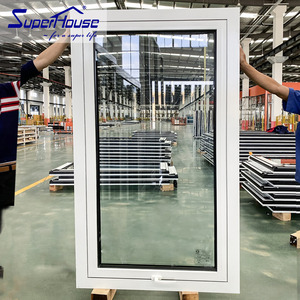
Tested to rigorous global structural envelopes including AS2047, ASTM E1886/E1996, and European EN 14351-1 benchmarks. Explore eight production-ready, custom-tailored solutions for commercial, multi-residential, and coastal estate developments.
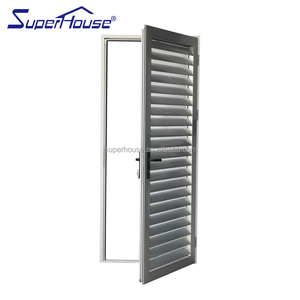
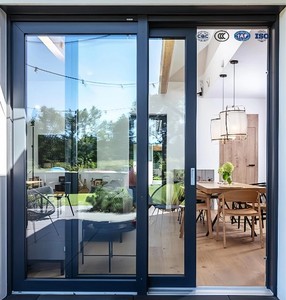
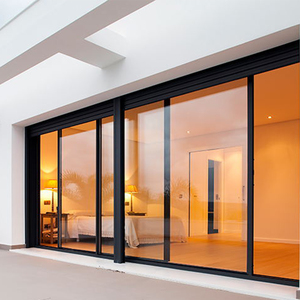
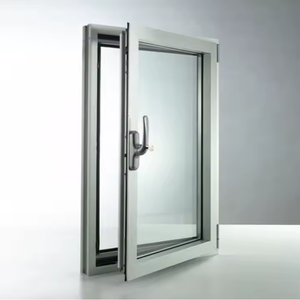
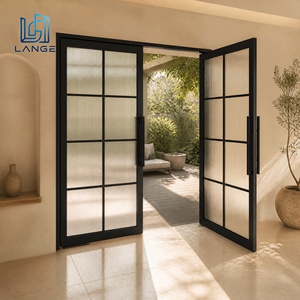
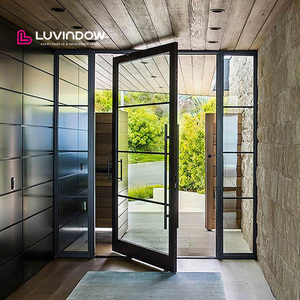
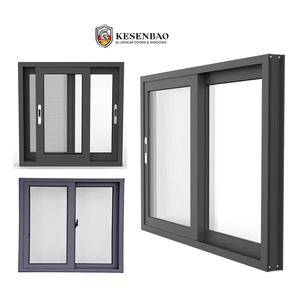
Navigating the physics of cyclic wind loads, large missile impacts, and thermal dissipation in coastal architectural building envelopes.
In modern architectural fenestration, hurricane windows represent the intersection of extreme mechanical resilience, structural thermodynamics, and delicate industrial design. A structural aperture in high-velocity hurricane zones (such as Florida’s HVHZ, the Australian cyclone regions C & D, and the typhoon-prone Pacific Rim) is subjected to fluid-structure interactions that can destabilize standard building envelopes. High-speed windward pressure, combined with extreme leeward suction forces and cyclical pressure reversals, causes cyclic loading fatigue on aluminum frames, anchoring sub-assemblies, and glazing interlayers.
As an authoritative OEM/ODM manufacturer headquartered in Foshan, Guangdong—the world epicenter of high-end aluminum extrusion—our engineering protocols dictate that every profile is constructed from virgin 6063-T6 or 6061-T6 architectural-grade alloys. Standard commercial window sections fail when subjected to projectile impacts: timber 2x4 studs fired at 50 feet per second during ASTM E1996 Large Missile testing will effortlessly shear ordinary aluminum profiles. Our hurricane-resistant assemblies counteract this using engineered internal web-wall reinforcements, thickened corner cleat brackets, and reinforced anchor fasteners designed to absorb and distribute shock loads safely into the concrete or structural steel building substrate.
We deploy high-yield PVB and ionoplast (SentryGlas®) interlayers. Under missile shatter, glass shards adhere firmly to the elastomeric interlayer, sustaining envelope integrity and preventing rapid interior pressurization.
Featuring Technoform PA66 GF25 thermal breaks that physically decouple interior and exterior aluminum chambers, slashing thermal conductivity (U-values down to 1.2 W/m²·K) while resisting differential thermal expansion.
Specially engineered stepped-sill baffles and integrated dual EPDM compression gaskets prevent water ingress under wind-driven rain pressures exceeding 700 Pa, satisfying stringent hurricane test certifications.
| Standard / Code | Geographic Jurisdiction | Test Parameters & Impact Regimes | OEM Customization Support |
|---|---|---|---|
| ASTM E1886 / E1996 | North America / Caribbean (HVHZ) | 9-lb 2x4 lumber shot at 50 ft/s (Missile D), followed by 9,000 positive/negative cyclic pressure loads. | Custom structural mullions, SentryGlas® configurations, engineered sub-frame embedment plates. |
| AS 2047 (N6 Rating) | Australia / New Zealand | Ultimate wind pressure exceeding 4,500 Pa; air infiltration < 1.0 L/s·m²; severe cyclonic water penetration test. | Integrated crimsafe cyclone security screening, commercial subsills, and heavy anodized 25μm finishes. |
| EN 14351-1 / EN 12210 | Europe / United Kingdom | Class C5 wind load resistance, air permeability Class 4, watertightness up to Class E1200. | Warm-edge spacer assemblies, triple-glazed laminated units, multipoint perimeter hardware gearboxes. |
| TAS 201 / 202 / 203 | Miami-Dade County Notice of Acceptance | Uniform static air pressure, large missile impact, and high-frequency cyclical testing protocol. | Reinforced structural corner brackets, concealed structural silicone glazing (Dow Corning 983). |
Architectural expectations are moving beyond basic storm survival toward holistic building envelope efficiency, expansive daylighting, and smart automation.
Developers increasingly specify floor-to-ceiling hurricane glass with ultra-narrow aluminum frames (less than 35mm visual sightline). Achieving cyclonic resistance on 4-meter-tall panels requires internal carbon steel reinforcement cores.
Procurement mandates now pair hurricane resistance with aggressive energy conservation. Combining double Low-E coatings with argon gas cavities and vacuum insulated glass (VIG) brings whole-window U-values down below 1.0 W/m²·K.
Modern luxury developments integrate motorized multi-point locks that communicate with building management systems (BMS), automatically cinching window sashes into hurricane seal locks upon severe weather alerts.
EPC contractors and regional brand owners are bypassing trading intermediaries, partnering directly with fully-certified Tier-1 factories equipped with complete CAD/BIM support, mill testing certs, and dedicated port dispatching.
Recognized as an elite top-tier architectural door and window brand in China, DERCHI operates out of a massive 180,000 m² state-of-the-art production complex in Foshan. Backed by over 25 years of specialized fenestration fabrication, 600+ master craftsmen, and an in-house engineering academy holding over 30 design and invention patents, we deliver unmatched OEM/ODM manufacturing capability for hurricane-rated windows, entrance systems, and curtain walling.

Everything you need to know about engineering customization, compliance documentation, packaging integrity, and international logistics.
Send your project elevations, door schedules, or required hurricane test metrics. Our senior engineering team is ready to deliver precise CAD sections, compliance evaluations, and factory-direct pricing within 24 hours.
Inquire Now