Engineering Precision in Modern Architectural Cabinetry
As commercial developers, interior project directors, and architectural joinery procurement managers transition away from traditional MDF, chipboard, and solid wood substrates, structural extruded aluminium alloy systems have emerged as the paramount standard for residential and commercial kitchen cupboard doors. Engineered to withstand high ambient moisture, extreme thermal cycles, and continuous mechanical deflection, precision aluminium frontages deliver non-warping longevity, Qualicoat-certified surface finishes, and seamless integration with contemporary minimalist architecture.
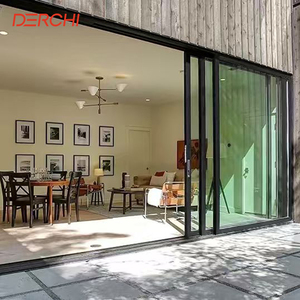
USA CA Factory Wholesale Aluminum Sliding Door Design Double Glazed Balcony Sliding Door Screen Upward Patio Sliding Doors
Engineered with multi-chamber structural aluminum profiles, dual EPDM weather sealing gaskets, and micro-smooth roller assemblies suitable for multi-track cabinet and wide-span interior dividers.
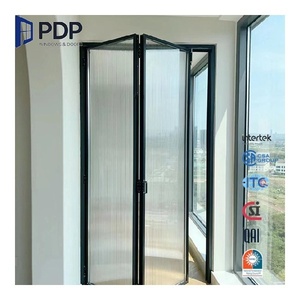
OEM Modern Style Folding Windows and Doors for Balcony China Manufacture Aluminum Alloy Steel Materials for Exteriors Villas
Concealed hinge geometry, ultra-slim stiles, and heavy-duty load bearing hinges designed to eliminate sagging in pantry cupboards, pass-through serveries, and extended millwork openings.
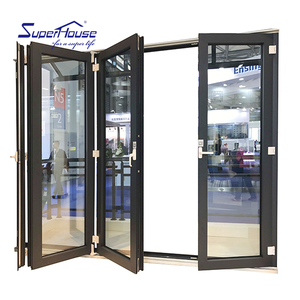
NFRC TITL 24 Superhouse Aluminium Accordion Bifolding Doors Fold Door Aluminum Alloy Tempered Glass Folding Door
Certified NFRC compliance with tempered safety glass inserts, delivering optimal acoustic decoupling, grease resistance, and impact protection for display kitchen cabinetry.
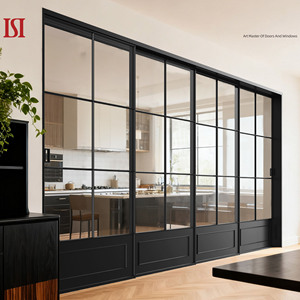
Aluminum Alloy Sliding Doors Sound Heat Insulation Minimalist Design 5-Year Warranty OEM/ODM Customization Interior Hotel Living
Minimalist profile framework incorporating internal sound dampening elastomer gaskets and anti-oxidation anodic film, verified for luxury hospitality and residential projects.
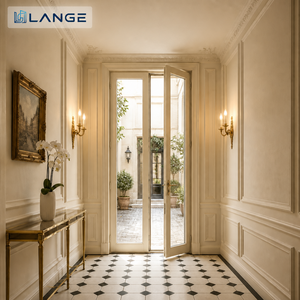
LANGE French Doors Style Security Aluminum Casement Door Aluminum Tempered Glass French Door Grilles Entry Casement Doors
Precision CNC routed grille sections bonded to architectural tempered glass; offers classic European aesthetic proportions combined with industrial-grade corrosion resistance.
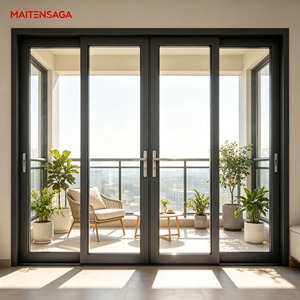
Aluminum Casement Window and Door System Custom Thermal Break Design for Villa and Residential Projects
Equipped with reinforced PA66 polyamide insulating strips preventing thermal bridging in perimeter kitchen installations adjacent to outdoor barbecue and alfresco culinary zones.
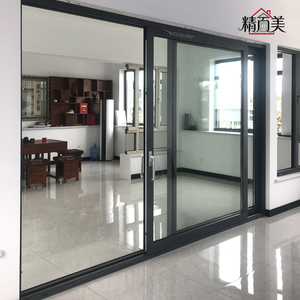
Minimalist Wind Resistant Well Sealed Anti Collision Smooth Sliding Large Glass Panel Aluminium Lift and Slide Door
Heavy-gauge hardware engineered to carry expansive glass door weights up to 300kg with finger-touch actuation, anti-collision dampeners, and airtight labyrinth seals.
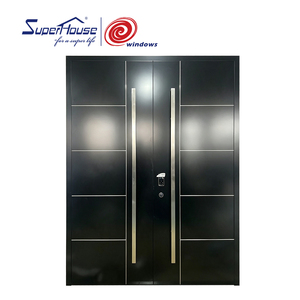
Modern Style Aluminum Double Entry Door Custom Design Exterior Front Door With Smart Lock Long Pull Handle for Luxury Villa
Architectural front door assembly with integrated multi-point locking channels, biometric housing profiles, and fluorocarbon powder-coated panels for weather extremes.
Guangdong Dejiyoupin Doors and Windows Co., Ltd. (DERCHI)
Founded in Foshan, Guangdong—the world’s epicenter of architectural aluminum extrusion—DERCHI represents more than 25 years of specialized metallurgical and joinery manufacturing. Operating from an expansive 180,000 square meter standardized production hub staffed by over 600 skilled technicians, our facilities unite automated CNC cutting lines, precision 45-degree miter crimping centers, and cleanroom anodizing facilities under one ISO 9001 quality management framework.
Unlike regional cabinet assemblers that source unverified secondary scrap billets, our operations exclusively extrude virgin 6063-T5 aluminum alloy, guaranteeing tensile yields exceeding 160 MPa and surface tolerances calibrated down to ±0.2mm. Serving tier-1 developers and contractors across the United Kingdom, Germany, France, Australia, and North America, our manufacturing ecosystem provides direct mill pricing, certified shop drawings, and turnkey engineering solutions.


Top 10 Aluminium Kitchen Cupboard Doors Factories & Exporter Analysis
When global millwork contractors, hospitality procurement agents, and residential builders screen Chinese and international suppliers, evaluating manufacturing infrastructure against verifiable testing protocols is crucial to avoid oxidation, delamination, and mechanical misalignment.
1. Billet Metallurgy & Chemical Purity
Top-tier exporters control raw metallurgical input. Using primary 6063-T5 aluminum ensures exact magnesium-silicon stoichiometric balance, providing maximum ductile strength, superior anodizing clarity, and zero intergranular stress fractures under heavy load usage.
2. Precision CNC Milling & 45° Miters
Factory tier standing is defined by corner joint tolerances. Leading plants employ 5-axis CNC machining centers that cut and rout profile miters within a 0.1mm margin, eliminating visible joint light leakage and guaranteeing corner block structural rigidity.
3. Qualicoat Class 2 Anodizing & PVDF
Exposed to cooking oils, aggressive detergents, and steam, cabinet doors require certified surface conversion coatings. Premier exporters provide Qualicoat-certified electrolytic anodizing (15-25μm) or fluorocarbon PVDF powder coatings with 20+ year colorfast guarantees.
4. European Hardware Compatibility
Global export leaders pre-mill profile pockets to support international architectural hardware brands including Blum CLIP top BLUMOTION, Hettich Sensys, Salice Air, and Grass Tiomos hinges, allowing effortless on-site assembly for Western millworkers.
5. Maritime Export Packaging Protocols
Overseas container transit requires engineered packaging. Premium exporters wrap each door profile in peelable 80μm protective film, separate items with custom EPE foam pads, and pack them within fumigated non-wood honeycomb crates to prevent transit abrasion.
6. Full Regulatory Compliance & VOC Testing
Aluminum cupboard door systems feature zero formaldehyde emissions (E0/EN 717-1 standard) and comply with EU RoHS directives. Certified glass inserts comply with EN 12150-1 and ANSI Z97.1 impact criteria for complete residential project sign-off.
Engineering Comparison: Extruded Aluminium vs. Wood-Based Doors
In high-humidity, intense-use culinary environments, standard fiberboard and timber veneers exhibit irreversible swelling and structural failure. The matrix below demonstrates why extruded aluminum frames have become the chosen material for luxury residences and commercial hospitality installations.
| Evaluation Parameter | Extruded Aluminium 6063-T5 (DERCHI) | High-Moisture Resistant (HMR) MDF | Solid Natural Hardwood |
|---|---|---|---|
| Hydrothermal Swelling (24h Water Submersion) | 0.00% (Completely impervious to humidity & liquid) | 8.0% - 14.0% volumetric expansion | 3.5% - 7.0% directional warping |
| Thermal Expansion Stability (-10°C to +60°C) | Linear coefficient: 23.4 × 10⁻⁶ / K (Predictable) | Irreversible core expansion & surface crazing | Seasonal expansion, binding against adjacent stiles |
| Formaldehyde & Toxic VOC Emissions | Zero Emissions (100% Inert, Recyclable Alloy) | Emits formaldehyde (E1 / CARB Phase 2 glue resins) | Dependent on synthetic lacquers and polyurethanes |
| Bending & Sagging Resistance (Modulus of Elasticity) | 69 GPa (Zero sag over 2.8m floor-to-ceiling heights) | 2.5 - 3.5 GPa (Requires center support hinges) | 10 - 12 GPa (Susceptible to grain twisting) |
| Surface Hardness & Chemical Resistance | Hardness > 12 Webster (Resistant to alkaline soaps) | Vulnerable to edge band peeling & steam ingress | Requires regular waxing; sensitive to acidic oils |
| Fire Reaction Classification | Class A1 Non-Combustible (EN 13501-1) | Class D / Combustible with toxic smoke release | Class D / Highly combustible |
Future Procurement Trends in Aluminium Cabinetry (2025–2030)
Specification requirements for kitchen cupboard door profiles are undergoing rapid transformation. Forward-looking architectural joinery firms prioritize the following product characteristics in their upcoming tenders.
1. Ultra-Thin Micro Sightlines
Architects demand minimalistic 18mm to 20mm visual face profiles. Advanced 6063-T6 temper extrusions provide extreme stiffness, enabling minimal visible frame margins that maximize glazed glass surface area.
2. Sintered Stone & Metal Hybrids
Aluminum frames are increasingly paired with ultra-thin 3mm-6mm porcelain slabs, fluted architectural reeded glass, and metallic mesh inserts, using precision structural polyurethane adhesive tapes.
3. Integrated LED Conduits
Modern cabinet extrusions incorporate co-extruded wire raceways and diffused polycarbonate lens channels directly into the door stiles, providing automated handle-free illumination upon opening.
4. Anti-Fingerprint Anodizing
Next-generation nanotechnology sealants and matte micro-sandblasted anodic finishes prevent oily fingerprints and surface staining, maintaining pristine surfaces in busy residential kitchens.
Frequently Asked Questions (FAQ) for B2B Importers & Joiners
Clear, technically rigorous answers addressing profile engineering, tolerances, lead times, and global shipping logistics.
What precise aluminium alloy grade is recommended for kitchen cupboard doors? +
How do you prevent galvanic corrosion between steel hinges and aluminum frames? +
Can DERCHI supply doors pre-milled for international concealed hinge brands? +
What are the standard anodic film thickness specifications and color options? +
What are your minimum order quantities (MOQ) and production lead times for custom extrusions? +
How do you guarantee that oversized (2.7m - 3.0m) cabinet doors will not warp or bow over time? +
What glazing options are available for aluminum glass cupboard doors? +
Initiate Your Cabinetry Procurement Tender
Connect directly with our Foshan manufacturing engineering division. Submit your joinery elevation plans, bill of quantities, or bespoke extrusion profile sketches. Our technical team delivers free CAD shop drawings, glass calculation reports, and factory-direct DDP quotation estimates within 24 business hours.