Factory-Engineered Aluminium Kitchen Doors & Architectural Glazing
From heavy-duty gas-strut awning serveries and acoustic Crittall interior partitions to ultra-wide thermally broken bifold patio systems, explore our certified manufacturing portfolio configured for international residential and commercial specifications.
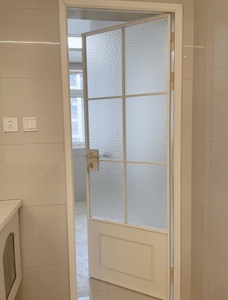
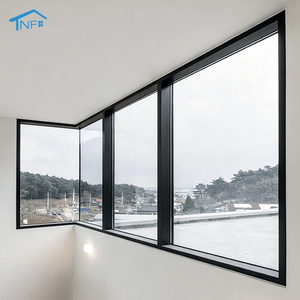
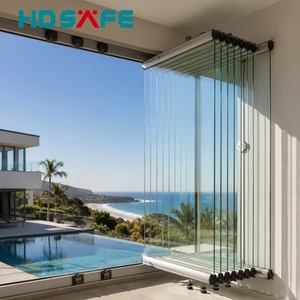
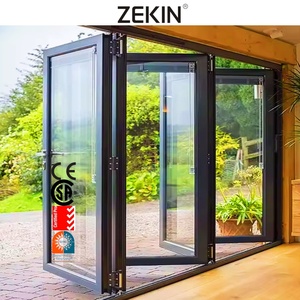
1. Strategic Procurement Overview: The Evolution of Aluminium Kitchen Doors
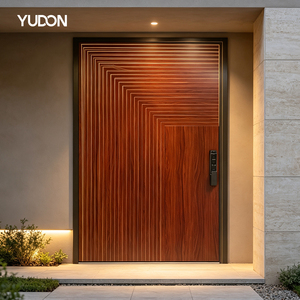
Modern architectural layouts demand high visual continuity, acoustic compartmentalization, and rigorous grease and vapor resistance between cooking areas, dining salons, and outdoor patios. Historically relegated to basic interior wooden joinery or standard residential sliders, the kitchen entrance envelope has evolved into a high-specification engineering zone. Architects and general contractors now prioritize extruded aluminium alloys (specifically 6063-T6 and 6061-T6) to eliminate the warping, swelling, and moisture degradation endemic to timber substrates.
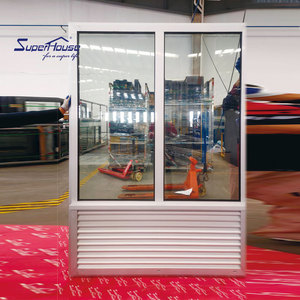
Whether specifying interior pantry partitions, gas-strut servery pass-through windows, or multi-panel outswing patio bifolds connecting an indoor culinary workstation to an alfresco barbecue area, procurement professionals must examine structural profile wall thicknesses, thermal break geometry, mechanical joint integrity, and surface coating resilience against airborne cooking fats and caustic detergents.
B2B Engineering Note: Extrusion wall thickness in commercial and residential kitchen thresholds must meet or exceed 2.0mm to guarantee deflection limits under heavy wind load (tested to AS 2047 N6 and EN 12211 Class C3) while supporting the static load of heavy multi-glazed units.
2. Comparative Global Benchmark: Top 10 Aluminium Kitchen & Architectural Door Suppliers
Selecting an OEM/ODM manufacturing partner requires auditing factory floor capacities, precision CNC machining centers, QA/QC certifications, and international logistics readiness. Below is an exhaustive comparative evaluation of the industry's leading manufacturers of structural aluminium architectural systems and door assemblies for 2026/2027 project cycles.
| Manufacturer / Brand | Headquarters | Core System Focus | Alloy & Thermal Tech | Certifications | Production Scale |
|---|---|---|---|---|---|
| DERCHI (Guangdong Dejiyoupin) | Foshan, China | Custom Bifold, Pivot, Crittall & Gas-Strut Pass-Through | 6063-T6, PA66 GF25 Iso-bars, Low-E Argon Double/Triple | CE (EN 14351-1), AS2047, ISO9001, UL | 180,000 m² | 600+ Staff |
| Schüco International | Bielefeld, Germany | Ultra-Premium Facade, Sliding & Entrance Systems | Patented Thermal Strips, Smart Automated Openings | DIN EN, CE, Passive House Certified | Global Licensee Network |
| Reynaers Aluminium | Duffel, Belgium | Minimalist Sliders, Folding & Architectural Glazing | Multi-Chambered Extrusions, Recycled Low-Carbon Billets | CE, Qualicoat Seaside, Cradle to Cradle | Multinational Hubs |
| Alumil Systems | Kilkis, Greece | Heavy-Duty Thermally Broken Bifolds & Servery Lines | Custom Composite Insulators, High Marine Salt Coating | CE, IFT Rosenheim, ISO 14001 | European Extrusion Lines |
| YKK AP | Tokyo, Japan | Commercial Architectural Doors & Residential Entrances | High-Precision Alloy Extrusions, Seismic Damping | JIS, AAMA, ASTM Certified | Extensive Asian Facilities |
| Cortizo | Padrón, Spain | Minimal Frame Interior Doors & Exterior Kitchen Passes | Polyamide Insulated Breaks, Micro-Ventilation | CE, AENOR, Qualanod Anodizing | Integrated Foundries (EU) |
| Origin Frames | High Wycombe, UK | Bespoke Bi-fold & French Door Residential Systems | High-Grade Aerospace Aluminium Billets | PAS 24, Secured by Design | UK & US Assembly Centers |
| Western Window Systems | Phoenix, USA | Massive Multi-Slide & Pocketing Kitchen Wall Systems | Thermally Controlled Profiles, Roller Bearing Tech | AAMA / NFRC Rated | North American Base |
| Kawneer (Arconic) | Norcross, USA | Commercial-Grade Entrances & Curtain Wall Intersections | Heavy Architectural Aluminum Extrusions | ASTM, Miami-Dade Hurricane Approved | Global Production Footprint |
| JELD-WEN (Aluminium Div.) | Charlotte, USA | Standardized Residential Patio & Kitchen Enclosures | Basic Thermal Extrusion Profiles | Energy Star, NFRC, WDMA | Large-Scale Batch Facilities |
3. Critical Manufacturing & Structural Specifications for Commercial Kitchen Fenestration
Architects, facade consultants, and procurement managers must scrutinize the microscopic and mechanical parameters of aluminium systems before issuing tenders. In demanding culinary applications—exposed to humidity swings, cooking oils, grease vapor, and corrosive salt-spray in coastal properties—the following material standards are non-negotiable:
6063-T6 Billet Metallurgy
Utilizes virgin metallurgical ingots with balanced magnesium-silicon content, artificial aging to T6 temper, providing tensile strength ≥ 205 MPa and yield strength ≥ 170 MPa to eliminate sag in multi-leaf bifold assemblies.
PA66 GF25 Thermal Decoupling
Thermal breaks utilize 24mm to 34mm polyamides reinforced with 25% glass fiber, matching the thermal expansion coefficient of aluminium, arresting condensation, and ensuring overall door Ud ≤ 1.3 W/m²·K.
Seaside Qualicoat Class 2 Finish
Fluorocarbon (PVDF) and architectural powder coatings cured at 200°C resist salt-spray (>3,000 hrs per ASTM B117) and resist chemical staining from volatile grease, vaporized oils, and alcohol sterilizers.
In addition to structural integrity, glazing units must incorporate dual-sealed secondary polysulfide seals and primary polyisobutylene barriers. When installed in culinary environments, interior panes benefit significantly from Low-E coatings positioned on Surface #2 or #3 with desiccated warm-edge composite spacers filled with 90%+ Argon gas, insulating cold outdoor drafts from high-humidity kitchen prep atmospheres.
4. Future Procurement Trends: 2026–2030 Commercial & Residential Outlook
The global architectural fenestration sector is experiencing radical technological and aesthetic shifts. Commercial developers and high-end residential builders should incorporate these emerging engineering directions into upcoming tenders:
A. True Flush Thresholds with Concealed Sub-Sill Drainage
Traditional kitchen-to-terrace doors presented trip hazards with standard 40mm–60mm weathered track upstands. Modern design requires universal accessibility (ADA compliant) with zero-threshold profiles. High-end systems accomplish this through continuous stainless-steel linear trench drains and magnetic gasket seals that elevate only when the active door leaf engages the locking pins, achieving air tightness classes up to Class 4 (EN 12207) and water tightness up to Class 9A (EN 12208) without vertical step-overs.
B. Minimalist "Crittall-Style" Narrow Sightlines with Industrial Acoustic Control
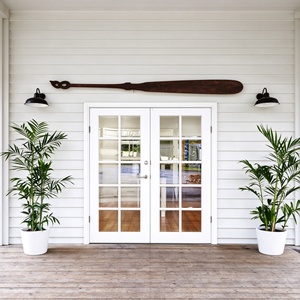
Open-concept living demands flexible spatial zoning. High-end residences and luxury hospitality dining suites are replacing opaque drywall with slim-profile aluminium interior partitions. With stile widths reduced to an astonishing 16mm–25mm, these doors maintain structural rigidity via internal carbon-steel reinforcement rods. When paired with acoustic PVB interlayers (e.g., 4mm glass + 0.76mm acoustic PVB + 4mm glass), they achieve sound transmission class (STC) ratings above 38 dB—effectively isolating noisy kitchen dishwashing and exhaust hoods from quiet salon lounges.
C. Motorized and Gas-Strut Bar Serveries
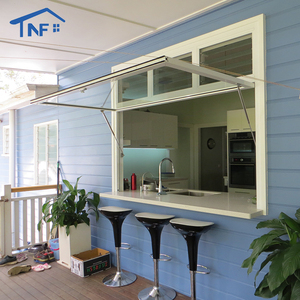
Outdoor dining trends have expanded demand for horizontal counter-level serveries. Instead of segmented sliding panels with obstructive vertical mullions, commercial kitchens specify gas-strut awning systems. Featuring calibrated German nitrogen gas struts and dual hydraulic safety dampeners, massive glazed sashes up to 3,500mm wide pivot upwards effortlessly to 90 degrees, converting the kitchen island directly into an open-air beverage and food station.
D. Decarbonized Aluminium & Circular Sourcing Transparency
Under tightening European CSRD mandates and green building rating protocols (LEED v4.1, BREEAM), developers now mandate low-embodied-carbon aluminium extrusions. Smelting operations powered by renewable hydroelectricity generate billets with carbon intensities under 4.0 kg CO₂e/kg Al (compared to global averages exceeding 16.5 kg). Procurement directors must demand ISO 14025 Environmental Product Declarations (EPDs) from suppliers.
5. Common Procurement Pitfalls & Quality Inspection Checklist
When procuring custom aluminium fenestration overseas, B2B buyers frequently encounter systemic manufacturing defects that go unnoticed until on-site installation. Implementing the following factory-gate inspection steps prevents costly site remediation:
- Corner Miter Joints: Inspect whether 45-degree frame corners are mechanically crimped with cast aluminum corner cleats and injected with two-component polyurethane joint adhesive (anti-rack protection) or merely surface-fastened with self-tapping screws.
- EPDM Gasket Integrity: Confirm gaskets are peroxide-cured synthetic EPDM rubber rather than low-cost PVC, which shrinks, stiffens, and breaks hermetic seals within 24 months of UV and grease exposure.
- Hardware Fatigue Testing: Validate that stainless steel rollers and tandem track bogeys have passed minimum 50,000-cycle operational tests under full glazing weight capacity (exceeding 250 kg/leaf).
DERCHI Manufacturing Advantages
Guangdong Dejiyoupin Doors and Windows Co., Ltd. (DERCHI) operates one of Asia's most sophisticated architectural joinery fabrication ecosystems. Supporting international contractors, property developers, and distribution networks worldwide, DERCHI delivers precision European-grade performance directly from our verified production hub in Foshan, China.
Selected by leading British contractors for a multi-villa luxury residential scheme and deployed in high-spec commercial hospitality towers across Europe, North America, Australia, and the Middle East. Our in-house engineering team converts architectural BIM models and architectural door schedules into fully validated, shop-ready CAD documentation with zero guesswork.
Inquire Now
6. Comprehensive B2B Procurement FAQ (Frequently Asked Questions)
For commercial applications and oversized residential bifold leaves (exceeding 2,400mm height or 1,000mm panel width), we recommend an extrusion wall thickness between 2.0mm and 2.5mm of 6063-T6 grade aluminum. This ensures zero torsional deflection during continuous high-traffic operations and supports the static weight of insulated triple-pane glazing units without frame racking.
Our interior partition and pocketing door systems utilize continuous multi-fin co-extruded EPDM gaskets paired with integrated acoustic drop-seals at the base. When closed, mechanical multi-point latches draw the sash firmly against the perimeter frame rebate, compressing the seal to achieve an air infiltration rating of Class 4 under EN 12207, preventing airborne cooking odors, fine oils, and steam from migrating into adjoining living quarters.
Yes. We offer complete custom finishing capabilities including architectural powder coating in any standard or metallic RAL palette, Qualanod-certified marine anodizing (15–25 microns), fluorocarbon (PVDF) three-coat finishes, and heat-transfer Italian wood-grain sublimation. All coatings are formulation-tested for grease, detergent, and UV exposure resistance.
Every export shipment is accompanied by comprehensive engineering compliance documentation, including Declaration of Performance (DoP) under CE EN 14351-1, third-party laboratory test reports for wind resistance, air tightness, and water penetration (AS2047 / ASTM E283/E330/E331), tempered safety glass certifications (EN 12150 / SGCC ANSI Z97.1), and stamped structural calculations.
Typical OEM/ODM fabrication cycles range from 25 to 35 calendar days following CAD shop drawing approval. All completed fenestration units are wrapped in 3-layer protective pearl cotton film, corner-protected with heavy composite guards, and loaded into fully enclosed, fumigated solid timber export crates with internal desiccant bags, ensuring zero moisture damage or abrasion during ocean transit to Rotterdam, Hamburg, Los Angeles, or Sydney.
Accelerate Your Project with Certified Factory-Direct Engineering
Submit your door schedules, architectural elevations, or tender specifications. Our technical engineering division will generate detailed CAD cross-sections, thermal performance simulations, and competitive factory-direct B2B proposals within 24 working hours.
Inquire Now