Featured Engineering Door & Window Solutions
Explore eight of our flagship, heavy-duty aluminium door systems engineered for extreme thermal control, culinary fume containment, and architectural open-plan living.
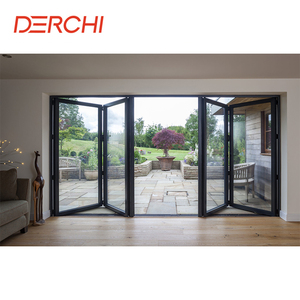
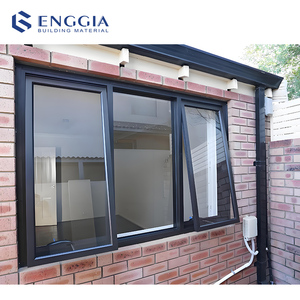
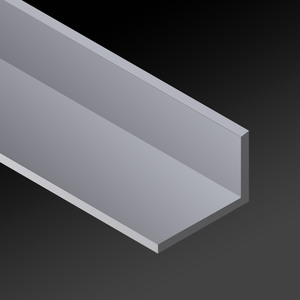
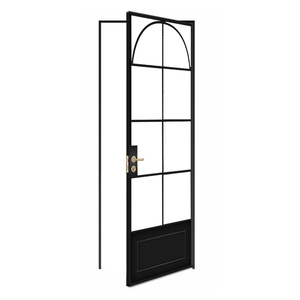
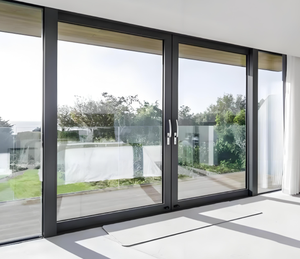
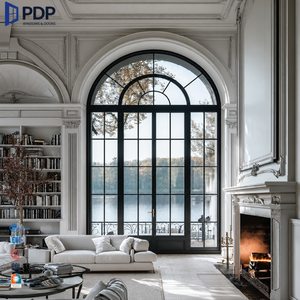
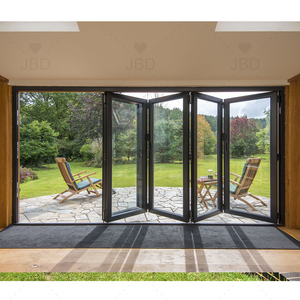
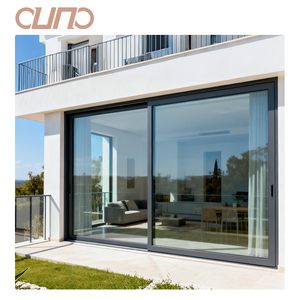
Executive White Paper: The Evolution of Modern Aluminium Kitchen Double Doors
Contemporary architectural layouts have fundamentally reshaped the spatial expectations of residential culinary spaces and commercial hospitality kitchens. Modern design philosophy no longer isolates the cooking zone as an enclosed utilitarian service room; rather, it positions the kitchen as the central social nucleus of the modern villa, penthouse, or high-end estate. This transition presents significant building envelope and interior partition challenges: how to preserve an open-concept flow while establishing an impermeable barrier against oil fumes, persistent cooking odor migration, moisture vapor accumulation, and intense acoustic output generated by high-power range hoods and culinary appliances.
The solution lies in the precision-engineered aluminium kitchen double door system. Offering superior structural stiffness, minimal thermal deflection, exceptional corrosion resistance, and ultra-narrow sightlines, architectural aluminum has surpassed timber and PVC-U as the material of choice for high-traffic culinary thresholds. Leading global suppliers now manufacture double door configurations ranging from French hinged double casements to multi-track sliding partitions and ultra-slim bi-folding envelope portals. When engineered with virgin 6063-T5 or 6063-T6 architectural extrusions, structurally bonded insulated glazing units (IGUs), and multi-point perimeter EPDM gaskets, these systems deliver an uncompromised synthesis of thermal comfort, acoustic dampening (up to 38dB Rw), and architectural elegance.
Micro-Sealing & Odor Barrier
Continuous co-extruded vulcanized EPDM gasketing systems paired with magnetic interlocks prevent culinary particulate matter and cooking vapors from migrating into adjoining living quarters.
Acoustic Attenuation (Rw 32-42 dB)
Double and triple-glazed acoustic laminated glass assemblies cancel high-frequency culinary blender noise, dishwasher hums, and exhaust motor vibrations without sacrificing natural daylight.
Thermal Break & Condensation Control
Polyamide PA66 GF25 thermal barriers minimize conductive heat bridging between hot culinary zones and conditioned dining areas, eliminating glass and frame condensation.
Top 10 Global Aluminium Kitchen Double Door Manufacturers & Exporters Benchmark
Evaluating international fabricators and exporters requires rigorous vetting across structural alloy integrity, extrusion tolerances, powder coating durability, hardware cycle testing, and adherence to international building standards such as EN 14351-1, ISO 9001, AAMA/WDMA/CSA 101/I.S.2/A440, and AS 2047. Below is the industry-standard benchmark classification that professional specifiers, façade consultants, and general contractors utilize when qualifying Tier-1 manufacturing partners for high-volume exports.
| Evaluation Parameter | Tier-1 Global Manufacturers (e.g., DERCHI) | Standard Commercial Fabricators | Architectural Impact |
|---|---|---|---|
| Extrusion Alloy & Temper | Primary Billets 6063-T5 / 6063-T6 (Wall thickness ≥ 2.0mm) | Recycled billet secondary scrap (≤ 1.4mm thickness) | Structural rigidity against door leaf sagging, wind loads, and frame warp over 25+ years. |
| Thermal Isolation Technology | Multi-Chamber Technoform PA66 GF25 Polyamide Strips | Direct extrusion or low-grade PVC thermal breaks | Thermal insulation (U-value down to 1.1 W/m²K), preventing thermal shock and interior sweat. |
| Surface Treatment Standards | Qualicoat Class 2 / AkzoNobel Interpon D2525 Powder Coating | Standard domestic non-certified industrial spray | Resistance to cooking grease, harsh detergents, acidic vapors, UV fading, and saline air. |
| Glazing Specification | Double/Triple SGCC & CE Certified Tempered / Low-E / Lami | Single float annealed or non-certified tempered glass | Life safety impact resistance, condensation prevention, and elevated acoustic performance. |
| Operating Hardware | German Siegenia / Hoppe / Roto Multi-Point Compression Gear | Unbranded friction stays and standard zinc single locks | Smooth 100,000+ cycle durability, effortless gliding, and perimeter air-tight locking. |
| Threshold Engineering | Flush Barrier-Free Low Thresholds with Sub-Drainage | High stepped standard bottom rails (> 35mm) | Trip-free transit between kitchen and dining/patio; full ADA and universal accessibility. |
Key Capabilities of Top Exporters
- Factory-Direct Engineering: Parametric CAD/BIM shop drawings supplied within 24-48 hours of project schedule receipt.
- Full Pre-Assembly Verification: Complete factory test hanging and laser alignment of double door leaves prior to crating.
- Protective Export Packaging: Multi-layer PE film wrapping, corner foam protection, and IPPC-stamped fumigated plywood crates.
- Comprehensive Testing Evidence: Full air tightness (EN 12207 Class 4), water tightness (EN 12208 Class 9A), and wind load (EN 12210 Class C5) documentation.
Procurement Pitfalls to Avoid
- Under-Gauge Profile Walls: Utilizing interior profiles thinner than 1.6mm causes heavy double glass doors to drop and drag.
- Incompatible Rollers: Sub-standard nylon carriage rollers degrade quickly under heavy kitchen sliding door operation.
- Absence of Thermal Breaks: Direct aluminum framing transfers kitchen stove heat directly to adjacent air-conditioned zones.
- Inadequate Glazing Gaskets: Standard rubber shrivels from grease exposure, causing pane rattling and air leakage.
Emerging Procurement & Architectural Design Trends (2025–2030)
Procurement directors and architectural specifiers are navigating a swift evolution in kitchen double door requirements. As modern residential development accelerates toward decarbonization, biophilic layout integration, and smart home automation, procurement strategies must accommodate several critical technical trends:
1. Ultra-Slim Sightline Minimalist Double Sliders (The Invisible Frame)
The traditional chunky door sash is being replaced by architectural systems featuring ultra-narrow interlock stiles (as slim as 16mm to 21mm). These systems embed the outer frame into the perimeter floor, wall, and ceiling finishes. This aesthetic requires extruded aluminum alloys with elevated silicon-magnesium content to maintain severe structural deflection resistance under continuous wind or lateral load while accommodating double glazed panels weighing up to 350 kg per leaf.
2. Low-Carbon Circular Aluminum & EPD Documentation
Under strict green building standards such as LEED v4.1, BREEAM, and DGNB, developers are mandating Environmental Product Declarations (EPDs) from door exporters. The procurement trend strongly favors manufacturers using hydro-powered low-carbon aluminum billets that yield a carbon footprint below 4.0 kg CO2e per kg of primary aluminum, combined with 100% recyclable non-toxic powder coat formulations.
3. Concealed Motorization & Contactless Smart Kitchen Automation
To eliminate cross-contamination during culinary food preparation, premium architectural double doors increasingly integrate brushless magnetic levitation motors within the header track. These systems pair with concealed foot-sweep sensors, radar movement detectors, or smart voice integration (Zigbee/KNX/Crestron protocols), providing silent, automated opening cycles with built-in anti-pinch obstacle safety sensors.
4. Multi-Zone Acoustic Glazing with Integrated Switchable Glass
Combining the desire for an open kitchen breakfast bar with the requirement to instantly obscure prep clutter during dinner hosting, smart double door leaves feature polymer dispersed liquid crystal (PDLC) switchable smart glass. With a micro-second electrical current, the glass flips from optically transparent to completely frosted, simultaneously delivering sound mitigation and privacy on demand.
Factory Strength: Why DERCHI Stands as Your Premier Manufacturing Partner
Founded over 25 years ago in Foshan, Guangdong—the recognized epicenter of high-end aluminum extrusion manufacturing—Guangdong Dejiyoupin Doors and Windows Co., Ltd. (DERCHI) operates as an elite manufacturer and global exporter of high-performance architectural door systems. Spanning an expansive 180,000 square meter production complex powered by automated CNC machining centers, automated glass curing lines, and digital quality monitoring arrays, DERCHI maintains total vertical integration from raw profile extrusion finishing to final hardware fitting.
Industrial Scale & Craftsmanship
DERCHI employs more than 600 skilled artisans, façade engineers, and QA inspectors. Our advanced testing laboratories subject every batch of aluminum doors to cyclic fatigue tests, salt spray exposure, and air/water infiltration verification. With over 100 patents and formal certifications including CE (EN 14351-1), ISO 9001, AS 2047, and UL Fire-Rating, our engineering precision is trusted by top-tier European contractors, including UK partners delivering multi-villa luxury schemes engineered to German Schüco-level tolerances.
From initial design takeoff and CAD shop drawings to export documentation and worldwide containerized freight dispatch, DERCHI provides an integrated, stress-free B2B supply chain solution.




B2B Procurement & Engineering FAQ
What aluminum extrusion alloy is recommended for kitchen double doors?
How do double sliding vs. French double casement doors compare in kitchen spaces?
French Double Casement Doors: Offer maximum compression sealing against cooking smoke and acoustic transfer because the sash closes firmly against continuous perimeter rebate gaskets via multi-point locking cams. They require an unobstructed swing arc of 90° to 180°.
Can DERCHI manufacture bespoke dimensions and custom RAL powder coat colors?
What documentation is provided to satisfy European building control and import regulations?
What is the typical production lead time and sea freight schedule for international orders?
How does the barrier-free flush threshold system prevent moisture leakage?
Initiate Your Project Specification & Request Factory Pricing
Connect directly with DERCHI senior fenestration engineers to review your architectural door schedules, receive comprehensive CAD cross-sections, and obtain project-tiered FOB/CIF volume pricing.
Get Catalog