Engineered Fenestration for Modern Culinary Architecture
Modern kitchen environments demand fenestration systems engineered beyond conventional residential envelopes. As oil vapour concentration, elevated ambient moisture, localized heat spikes, and stringent acoustic-thermal standards intersect, specifying the right aluminium kitchen windows supplier becomes a mission-critical decision for project developers, tier-1 contractors, and architectural specifiers globally.
Critical Evaluation Criteria: Evaluating Top 10 Aluminium Kitchen Windows Suppliers
When selecting a qualified manufacturer for commercial developments or premium residential estates, generic window specifications inevitably fail in wet, grease-heavy kitchen zones. Qualified global suppliers are assessed across distinct architectural metrics:
1. Polyamide Thermal Barriers
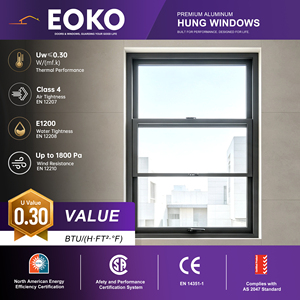
Standard aluminium conducts heat instantly, causing severe condensation above kitchen cooktops. Tier-1 manufacturers implement multi-chamber PA66 GF25 thermal break strips that lower Uw values below 1.3 W/m²K, preventing interior weeping and mold propagation.
2. Surface Treatments & Fluorocarbon
Grease deposits and acidic vapor degrade standard powder coats. Leading suppliers utilize AkzoNobel or PPG PVDF fluorocarbon coatings rated for over 30 years against delamination, UV chalking, and caustic chemical clean-downs.
3. Multi-Point Perimeter Compression
Kitchen negative pressure created by commercial-grade extraction hoods pulls external drafts and moisture through compromised perimeters. EPDM co-extruded continuous gaskets combined with German Sobinco or Siegenia gear hardware ensure airtight Class 4 sealing.
Future Trends in Architectural Aluminium Kitchen Windows
The global luxury kitchen fenestration sector is moving through rapid design iterations. Forward-thinking procurement teams prioritize three major emerging structural trends to ensure assets remain compliant with stringent green-building codes.
Seamless Gas-Strut & Bifold Serveries
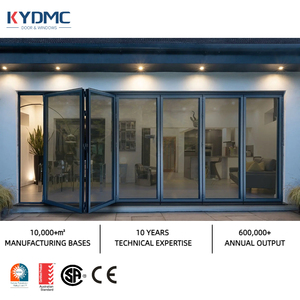
The boundary between interior culinary prep areas and exterior entertainment patios has dissolved. Trend forecasts indicate a 42% rise in flush-threshold aluminium gas-strut flip-out awning serveries and bottom-hung bifold systems, providing unobstructed pass-through countertops without floor track recesses.
BIM-Integrated Automation & Sensor Venting
Smart building management systems (BMS) now interface directly with hidden actuator hardware. Integrated air-quality sensors monitor VOCs, humidity, and CO₂ in gourmet kitchens, triggering micro-ventilation openings on automated parallel-opening sashes while locking securely against driving rain.
Circular Low-Carbon Extrusions (Hydro 75R Equivalent)
With corporate ESG targets tightening in North America, Europe, and Australasia, suppliers who cannot verify low-embodied carbon extrusions (utilizing recycled billet fractions exceeding 75%) are rapidly losing institutional tenders. Future-proof procurement demands certified low-carbon aluminium traceability.
Enterprise Edge: Guangdong Dejiyoupin (DERCHI)
Recognized as one of China's top 10 luxury fenestration and entry system brands, Guangdong Dejiyoupin Doors and Windows Co., Ltd. (DERCHI) combines massive industrial scale with precision European engineering standards.
180,000 m² Mega Facility
Headquartered in Foshan, China's premier aluminium capital, our high-precision production hub houses advanced German elumatec CNC milling centres, dual-component corner crimping robots, and automated glass tempering lines.
Global Code Compliance
DERCHI systems are tested to exceed the world’s most demanding building control regulations: CE Marking under EN 14351-1, Australian AS 2047 N6 cyclonic wind load resistance, and US Miami-Dade Hurricane impact protocols.
Direct CAD / BIM Engineering
Eliminate project communication friction. Our in-house technical engineers provide parametric BIM families and custom CAD shop drawings mapped directly to your architectural schedules prior to raw extrusion extrusion slicing.
Aligned Timezone Coordination
Operating dedicated global project units working on European (CET/GMT) and North American business hours. Benefit from responsive contract documentation, live video inspection feeds, and end-to-end containerized logistics to destination ports.
Frequently Asked Questions: Global Window Sourcing
Key technical answers compiled by DERCHI fenestration engineers to streamline your bidding and tender evaluation process.
Why choose 6063-T6 virgin aluminium over recycled scrap blends?
Low-tier fabricators frequently utilize recycled scrap ingot with excessive copper and zinc impurities, leading to catastrophic intergranular corrosion and finish flaking in high-steam kitchen settings. DERCHI strictly specifies architectural-grade virgin 6063-T6 or 6061-T6 alloy billets, ensuring high tensile strength, precise corner mitring, and seamless powder adhesion.
How does the manufacturing process prevent glass fogging near cooktops?
Condensation occurs when moist, heated kitchen air strikes cold glass. We fabricate double- and triple-glazed units featuring warm-edge composite spacers (Swisspacer), automated argon gas desiccant filling, and double Low-E hard or soft coatings. This keeps the interior glass surface close to room temperature, preventing condensation build-up.
What is the optimal window configuration behind an undermount sink?
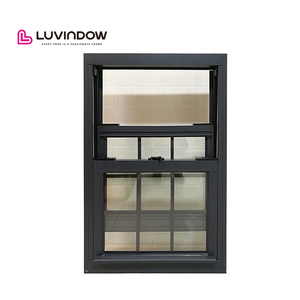
Standard inward-opening casement windows conflict with gooseneck kitchen taps. For configurations placed directly behind water points, we engineer heavy-duty vertical sliding sash systems with integrated counterbalance tensioners, horizontal sliding serveries, or motorized electric parallel awning vents operated by remote touch sensors.
How are heavy custom fenestration units packaged for ocean freight?
International freight damage causes costly site delays. DERCHI eliminates risk via five-stage export protection: glass surface peel-off film, high-density polyethylene corner cushions, waterproof air-cushion bubble wrapping, and fully enclosed solid plywood crates with integrated forklift loading channels.