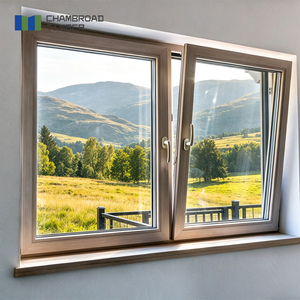
Curated Systems
Engineered Architectural Door Solutions
Factory-direct openable door configurations engineered for high wind-load defiance, certified thermal breaks, multi-point envelope security, and seamless architectural integration.
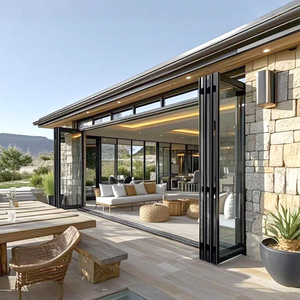
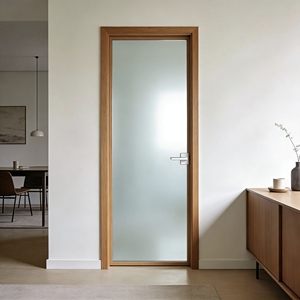
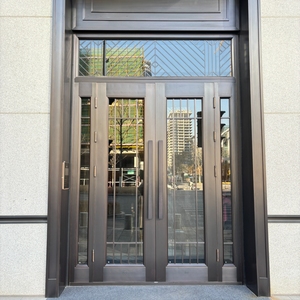
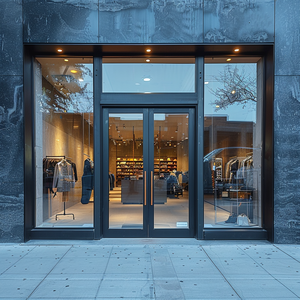
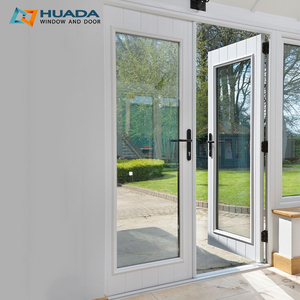
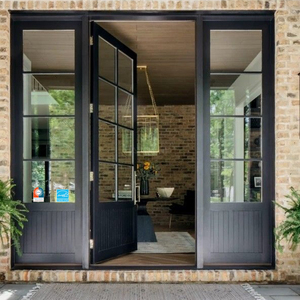
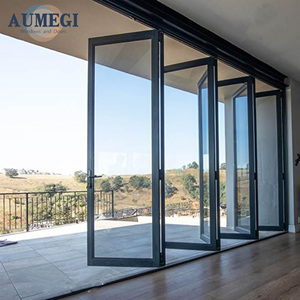
180,000m²
Integrated Production Base
600+
Direct Manufacturing Specialists
100+
Patents & Verified Certifications
25+
Years Fenestration Engineering
Procurement Intelligence
Global Manufacturing Landscapes for Aluminium Openable Doors
The global aluminium openable door market has transitioned rapidly from commoditized fenestration units to highly specialized architectural building envelope systems. Today's commercial developments, multi-family mid-rises, and prime residential estates demand openable systems (encompassing heavy-duty side-hung casements, inward/outward French configurations, bi-folding egress, and large-format architectural pivot systems) that deliver extreme thermal containment, airtightness against monsoons and coastal storms, and seamless structural security.
Specifying engineers and commercial contractors face a split market: high-cost European boutique fabricators that often suffer from long lead cycles and strict dimensional inflexibility, versus global industrial hubs capable of large-batch modularity. In this landscape, tier-one manufacturers rooted in Foshan, China—such as Guangdong Dejiyoupin Doors and Windows Co., Ltd. (DERCHI)—have emerged as global frontrunners. By integrating European extrusion tolerances, German multi-point hardware protocols, and localized regulatory certifications (including CE EN 14351-1, Australian AS 2047, and North American NFRC/CSA), high-tier Chinese exporters bridge the gap between design freedom and institutional compliance.
Manufacturer Benchmarking
Top 10 Aluminium Openable Door Manufacturers & Exporters Comparison Matrix
When shortlisting door fabricators for commercial tenders or residential developments, developers must weigh structural capabilities, engineering assistance, and export certifications. Below is an analytical evaluation of the leading global manufacturing archetypes operating in 2026:
| Manufacturer Group / Profile | Primary Regional Focus | Certified Compliance Standards | Max Sizing & Bespoke Scope | Supply Chain Agility |
|---|---|---|---|---|
| DERCHI (Guangdong Dejiyoupin) | Europe, UK, North America, AUS | CE EN 14351 AS 2047 N6 NFRC/CSA | Bespoke architectural up to 4.5m pivot/casement | Direct manufacturing, free shop CAD, 25-35 day export |
| Schüco International Partners | Germany, Western Europe, Global | DIN EN, CE, Passive House certified | Extensive system catalog, strict grid modularity | Tiered fabricator networks; longer lead windows |
| Reynaers Aluminium Specialists | Benelux, Central Europe, MEA | CE, Qualicoat, ISO 14001, ATG | Advanced thermal variants; standardized openings | High customization cost via regional franchised lines |
| YKK AP Architecture Group | Japan, North America, East Asia | AAMA, NFRC, ASTM Impact Rated | Commercial storefronts and heavy casements | Standardized catalog systems; rigid engineering gates |
| Alumil Systems Exporters | Southern Europe, Mediterranean | CE, IFT Rosenheim verified | Minimalist sightlines, concealed hinges | Regional logistics focus; container-level export variance |
| Kawneer Envelope Solutions | North America, Western Europe | ASTM, Miami-Dade NOA, CSA | Curtain wall and monumental storefront pivots | Commercial institutional focus; high minimum volumes |
| Cortizo Fenestration | Iberian Peninsula, UK, South America | CE, UNE-EN, Qualanod | Contemporary French openable & bifold styles | Strong European logistics; limited bespoke extrusions |
| Wicona Building Systems | Scandinavia, Germany, UK | Passive House, CE, ISO 9001 | Hydro CIRCAL low-carbon architectural leaves | Premium pricing; strict architectural agency channels |
| Technal Architectural Systems | France, Southern Europe, Middle East | NF, CE Marking, acoustic certified | Slim-line urban swing systems and storefronts | Regional supplier networks with rigid sizing schedules |
| Centor Integrated Systems | Australia, North America, UK | AS 2047, NFRC, British Standards | Integrated screening openable bifold doors | Boutique distribution; niche residential target profile |
Market Trajectory
Future Procurement Trends in Aluminium Fenestration (2026–2030)
Procuring exterior openable doors is no longer a purely cosmetic or budgetary choice. Stricter building codes, regional carbon legislation, and shifting architectural preferences are redefining technical specification packages. Procurement directors must anticipate four decisive trends:
Ultra-Low UD Thermal Breaks
National codes like Germany’s GEG and UK Part L require overall door U-values below 1.2 W/(m²·K). Procurements increasingly require multi-chamber polyamide 66 (PA66) insulation barriers with aerogel inserts.
Multi-Hazard Climate Shielding
Coastal and hurricane-prone territories mandate verified structural resilience. Sourcing demands laminated SentryGlas® interlayer configurations and wind load ratings matching AS 2047 N6 (over 4400 Pa deflection).
Smart Access Integration
Commercial and luxury entries now require seamless factory routing for biometric, RFID, and automated multipoint motorized locking systems (e.g., German Siegenia, GU, or Hoppe) flush-fitted during assembly.
BIM-Driven Custom Fabrication
Rigid catalogs are being replaced by direct digital fabrication from architect door schedules. Free CAD shop drawings and Revit-compatible BIM models ensure zero site discrepancies before shipping.
Why DERCHI
Engineering Superiority & Direct Exporter Infrastructure
Guangdong Dejiyoupin Doors and Windows Co., Ltd. brings 25+ years of fenestration engineering to international contractors, architects, and commercial developers.
180,000 m² Production Base
Situated in Foshan, China's core aluminium manufacturing capital, our facility operates automated CNC extrusion lines, dust-free electrostatic powder coating chambers, and dedicated structural assembly lines delivering on-time order processing.
Cost Efficiency with Tier-1 Standards
By eliminating tiered distributor commissions and operating directly from raw extrusion to custom crating, DERCHI achieves up to 35% cost savings for commercial projects while maintaining quality on par with premier European systems.
CAD Approval & Turnkey Crating
We provide full structural shop drawings per your window/door schedule. Doors are crated in sea-freight reinforced timber palettes and shipped to major global ports (Rotterdam, Hamburg, Los Angeles, Sydney) with complete technical clearance.
Clarification & Risk Mitigation
Frequently Asked Procurement Questions
Key compliance, engineering, and logistics considerations for B2B buyers and commercial developers sourcing aluminium door systems.
How do DERCHI openable doors comply with European CE EN 14351-1?
Our doors undergo rigorous initial type testing (ITT) at certified facilities, evaluating air permeability (EN 12207), water tightness (EN 12208), wind resistance (EN 12210), and acoustic attenuation. Each export batch is provided with a Declaration of Performance (DoP) matching the specific glazing and frame configuration.
What surface finishes are recommended for coastal architectural projects?
For seaside or high-salinity exposures, we specify Qualicoat Class 2 certified fluorocarbon (PVDF) powder coatings or architectural hard-anodizing exceeding 25 microns. This prevents filiform corrosion, surface pitting, and UV color fading under high marine exposure.
What is the typical lead time from CAD sign-off to site delivery?
Standard custom fabrication takes 25–35 days following approval of shop CAD drawings and hardware specifications. Ocean transit times range from 18 to 28 days for European and US West Coast ports, with all customs documentation (packing lists, commercial invoices, certificates of origin) pre-vetted.
Can DERCHI match bespoke architectural door schedules?
Yes. We operate an in-house engineering team of over 40 technical designers. We accept architectural DWG/DXF drawings, door schedules, and structural calculation briefs, providing free dimensioned submittal packages including threshold details, structural anchor points, and drainage weep pathways.