Featured Commercial & Residential Fenestration Systems
Engineered to integrate seamlessly with heavy-duty rotary operators, stainless steel scissor hinges, and multi-point perimeter locks. Explore our factory-direct product range verified under global NFRC, CE EN 14351-1, and AS2047 structural rating protocols.
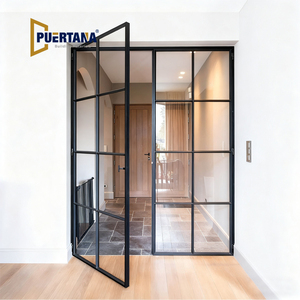
Ultra-narrow sightline 6063-T6 aluminum extrusion with acoustic laminated glass. Designed for contemporary room zoning and minimalist interior spaces.
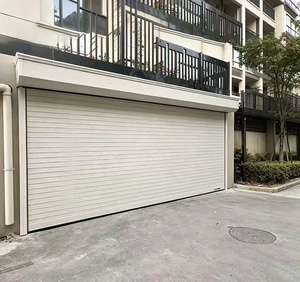
Polyurethane foam-injected double-wall aluminum slats providing robust thermal insulation, wind-load resistance, and smart motorized remote operation.
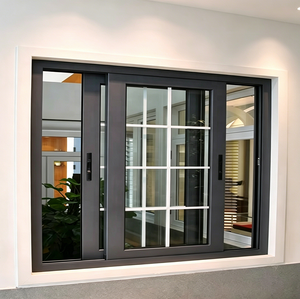
Certified for Australian AS2047 and North American NFRC performance standards. Features integrated electric drive units and heavy-duty tandem stainless rollers.
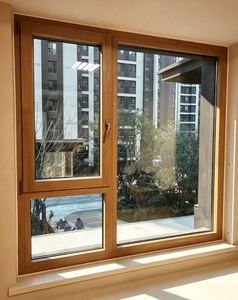
Passivhaus-grade composite engineering pairing external weather-resistant architectural aluminum with internal solid timber, achieving Uw values under 0.85 W/m²K.
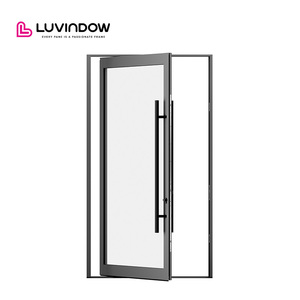
Commercial high-traffic storefront system with reinforced corner-cleat joints, heavy-duty concealed overhead closers, and hurricane-rated wind-load structural anchoring.
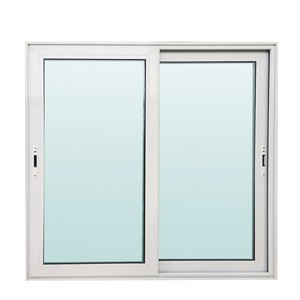
Aesthetic colonial cross-grille layout embedded inside double-pane insulated glass units (IGU), combined with anti-burglar 304 stainless steel insect wire mesh.
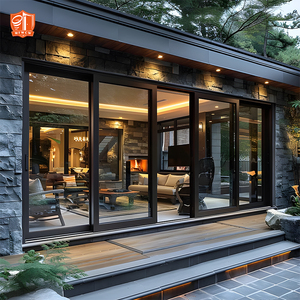
German-engineered lift-and-slide hardware gear capable of smoothly maneuvering sash weights up to 400kg with effortless fingertip operation and zero-threshold barrier-free tracks.
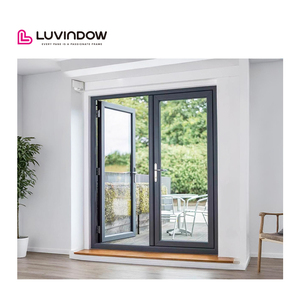
Thermally broken entrance security door system featuring acid-etched obscure double safety glass, multi-point mortise security locking, and AkzoNobel powder coating.
Engineering Whitepaper: The Evolution of Aluminum Crank Out Fenestration
In contemporary architectural design and building enclosure engineering, aluminum crank out windows—technically designated as rotary-actuated outward-opening casement and awning fenestration units—represent the pinnacle of air-tightness, wind pressure resistance, and ergonomic accessibility. Unlike conventional sliding fenestration that relies on sliding friction pile weatherstripping, crank out systems employ a continuous compression gasket seal that engages mechanically around the entire sash perimeter when actuated into the locked position.
For commercial specifiers, façade contractors, and luxury residential property developers, procuring aluminum crank out fenestration involves balancing structural rigidity, low-emissivity thermal performance, mechanical gearbox life-cycle longevity, and global building code conformance. This document delivers an empirical analysis of the world's leading manufacturing facilities, technological trends, and rigorous procurement vetting criteria for high-performance aluminum crank systems.
Top 10 Aluminum Crank Out Windows Manufacturers & Factories Analyzed
Our fenestration engineering audit evaluated production scale, extrusion alloy composition, thermal break chambering, crank gear cycle testing, and international compliance across the industry's top 10 global producers.
| Manufacturer / Brand | HQ / Primary Facility | Core Profile Metallurgy | Thermal Break Architecture | Rotary Crank Mechanism | Key Certifications |
|---|---|---|---|---|---|
| DERCHI / WANJIA Group | Foshan, Guangdong, China | Primary 6063-T6 / 6060-T66 Virgin Ingot | Polyamide PA66GF25 Multi-Cavity (up to 34mm) | Heavy-Duty Dual-Arm Stainless Scissor + Concealed Transmission | CE EN 14351-1, ISO 9001, AS2047, NFRC, UL |
| Schüco International | Bielefeld, Germany | AlMgSi0.5 Architectural Grade | Patented Insulbar Polyamide with Foam Core Insulators | Schüco AvanTec Concealed Actuators & Rotary Drives | CE, Passivhaus Institut, DIN EN Standards |
| Reynaers Aluminium | Duffel, Belgium | EN AW-6060 T6 High-Ductility | Multi-chamber EPDM tubular and continuous fiberglass barriers | Sobinco Heavy-Duty Multipoint Outward Hardware | Qualicoat, CE, Cradle to Cradle Certified |
| Andersen Windows (E-Series) | Bayport, MN, United States | Heavy-Gauge Extruded Aluminum Clad | Integrated Composite Polyolefin Structural Thermal Barriers | Truth Hardware Encore Fold-Down Rotary Operators | AAMA/WDMA/CSA 101/I.S.2/A440, Energy Star |
| Marvin Signature Collection | Warroad, MN, United States | Commercial Grade Extruded Aluminum Finish | Engineered Core with Extruded Polyamide Separation | Concealed Multi-Point Gear Operator with Folding Handle | AAMA 2605, NFRC, WDMA Hallmark Certified |
| Kawneer (Arconic Architectural) | Norcross, GA, United States | Alloy 6063-T6 Structural Profile | Thermal Isolator Thermal Barrier (IsoPour / Technoform) | Commercial Rotary Worm-Gear Heavy Casement Mechanism | AAMA CW Tier, LEED v4 Compliant, ASTM E283/E331 |
| YKK AP America | Austell, GA / Kurobe, Japan | ThermaBond Plus Structural Aluminum | MegaTherm Cavity Continuous Polyamide Struts | Commercial Cam Handle & Rotary Scissor Operators | AAMA Architectural Class, ISO 14001, FGIA |
| Pella Corporation | Pella, IA, United States | EnduraClad Commercial Extrusions | Thermobar Separators with Argon/Krypton IGUs | Fold-Away Crank with Precision Worm Gears | NFRC, Energy Star Most Efficient, AAMA |
| Alumil Aluminum | Kilkis, Greece | Alloy EN AW 6060 T66 High Strength | Technoform Bautec Polyamide Insulating Struts | Giesse / Roto Multi-Point Outward Crank Actuators | ift Rosenheim, CE, Passivhaus Certified |
| Western Window Systems | Phoenix, AZ, United States | 6063-T6 Extruded Structural Aluminum | Dual-Strut Polyamide Thermal Break Technology | Heavy-Duty Low-Profile Stainless Steel Crank Actuator | NFRC Rated, AAMA Certified, Florida DBPR Impact |
Tier-1 OEM LeaderDERCHI / WANJIA Industrial Base
Operating a flagship 180,000 m² smart factory in Foshan, Guangdong, DERCHI combines vertical integration—from precision aluminum profile extrusion and computerized automated powder coating to CNC 5-axis robotic machining of corner joints. Supplying European villa projects, Australian tier-1 towers, and North American estates, DERCHI specializes in high-torque stainless-steel dual-arm crank operators engineered for hurricane wind loads and salt-spray resistance (ASTM B117 > 1,000 hrs).
European PioneerSchüco & Reynaers Systems
European engineering powerhouses Schüco and Reynaers lead in computational thermodynamics and concealed mechanical gearing. While traditional push-out windows dominate Western Europe, their specialized export crank-out lines utilize high-strength nylon and stainless-steel internal transmissions that integrate with digital Building Automation Networks (BACnet / KNX) for controlled natural ventilation schemes.
North American StandardAndersen, Marvin & Kawneer
Dominating the US architectural residential and light commercial envelope sectors, these manufacturers standardise on Truth Hardware and custom fold-away rotary handles. Their core strength lies in compliance with strict AAMA/WDMA/CSA 101 standards, high DP (Design Pressure) ratings up to DP70+, and heavy resistance to water infiltration under dynamic wind pressures exceeding 720 Pa.
Why Global Specifiers Source from Our Foshan Manufacturing Base
Recognized among China’s top 10 fenestration enterprises, Guangdong Dejiyoupin Doors and Windows Co., Ltd. (DERCHI) represents over 25 years of advanced metallurgical, acoustic, and thermal envelope research. Our automated industrial complex provides full-cycle fabrication control that guarantees defect-free delivery to job sites worldwide:
- 180,000 m² Intelligent Manufacturing Base: Equipped with German Elumatec CNC dual-head saws, computerized corner crimping, and automated insulating glass production lines.
- Comprehensive Compliance Ecosystem: Full CE certification under EN 14351-1, ISO 9001 certified quality controls, Australian AS2047 (N6 cyclone rating), NFRC thermal ratings, and UL fire classifications.
- Proprietary Engineering Patents: Over 30 national patents in multi-point locking gearbars, hidden drainage weeping ports, and reinforced acoustic barrier profiles.
- Architectural CAD/BIM Shop Drawings: Free comprehensive 2D shop drawings, structural wind load static calculations, and thermal transmittance simulations provided prior to extrusion cutting.
- European & American Business Hour Engineering Support: Dedicated bilingual fenestration project engineers aligned with CET and EST working hours for real-time site coordination.

Future Sourcing & Engineering Trends in Aluminum Crank Windows
The next decade of fenestration procurement will be governed by stringent decarbonization codes, ultra-narrow architectural profiles, smart building automation, and advanced multi-chamber thermal breaks.
1. Smart Mechatronic & BMS-Integrated Actuation
The mechanical worm-gear crank is transitioning toward hybrid mechatronic systems. Hidden micro-linear motorized actuators embedded within the profile frame allow automated crank-out operation driven by indoor air quality (CO₂/humidity) sensors or integrated building management systems (BMS), while retaining manual fold-down handles for emergency egress or manual override.
2. Ultra-Slim Sightlines with Structural Glazing
Modern architectural styles demand minimal sightlines with maximized daylight aperture. Next-generation crank out casements utilize stepped insulated glass units structurally bonded with Dow Corning 983 silicone directly to the sash extrusion. This allows sash face widths to be reduced from traditional 75mm profiles down to ultra-slim 45mm sightlines without sacrificing torsional rigidity under extreme negative wind loads.
3. Low-Carbon Billet Metallurgy & EPD Documentation
Driven by the EU Carbon Border Adjustment Mechanism (CBAM) and North American LEED v4.1 requirements, B2B buyers now mandate verified Environmental Product Declarations (EPD). Factories are moving toward certified green aluminum billets smelted using renewable hydroelectric power, incorporating minimum 30-50% post-consumer recycled content to slash embodied carbon to below 4.0 kg CO₂e/kg Al.
4. Passivhaus Thermal Barriers: Cavity Foaming & Aerogel
As building codes in cold climates mandate whole-window U-factors below 0.18 BTU/hr·ft²·°F (Uw < 1.0 W/m²K), aluminum crank-out frames are integrating multi-chamber Technoform PA66GF25 polyamide strips filled with low-density polyurethane or silica aerogel thermal insulation blankets, fully neutralizing conductive thermal bridging through the aluminum web.
5. Marine-Grade Stainless Hardware (SUS316 / Anti-Galling)
Coastal installations suffer premature failure of zinc alloy rotary gears due to salt fog oxidation. Sourcing trends prioritize 100% investment-cast SUS304 or SUS316 scissor linkages and bronze internal worm gears treated with dry-film anti-friction lubricants. This eliminates mechanical galling and ensures 25,000+ continuous crank cycles under heavy triple-glazed sash loads.
6. Modular Factory-Installed Integrated Screen Cartridges
Architects frequently criticize external insect screens on outward-projecting crank windows for ruining exterior facades. Emerging products feature interior concealed retractable pull-down screens or high-transparency magnetic stainless-steel micro-mesh cartridges integrated directly into the window frame's internal thermal break rebate.
B2B Architectural Procurement Checklist: Vetting a Crank Out Window Factory
To avoid costly on-site warranty claims and structural failures, commercial purchasing departments must verify the following five engineering thresholds prior to signing supplier procurement contracts:
1. Extrusion Profile Wall Thickness & Alloy Grade
Mandate virgin 6063-T6 or 6060-T66 aluminum alloy conforming to ASTM B221 or EN 573-3. Structural perimeter walls must maintain a minimum uniform thickness of 1.8mm to 2.2mm for residential applications and 2.5mm to 3.0mm for heavy commercial fenestration to prevent frame flexure under continuous crank arm leverage.
2. Polyamide Strip Knurling & Shear Strength Testing
Ensure the factory operates dedicated CNC knurling machines that mechanically grove aluminum thermal break pockets prior to rolling polyamide (PA66GF25) strips. Require third-party transverse tensile and longitudinal shear test reports verifying bonding strength > 24 N/mm under EN 14024.
3. Weatherstripping Gasket Composition (EPDM vs TPV)
Reject inferior PVC or TPE seals which degrade and harden in low temperatures. Insist on continuous vulcanized EPDM or foamed silicone compression gaskets at three distinct perimeter barrier points: exterior rain-screen baffle, central pressure chamber, and interior airtight acoustic seal.
4. Surface Coating Integrity (AAMA 2605 / Qualicoat Class 2)
For coastal and intense UV exposures, specify fluoropolymer PVDF liquid coatings (70% Kynar 500 resin) or super-durable architectural powder coatings (AkzoNobel / Tiger Drylac) tested for 10-year South Florida weathering and 4,000-hour salt spray endurance without chalking or peeling.
5. Multi-Point Sequential Transmission Locking
Crank windows exceeding 1,200mm in sash height must feature sequential multi-point perimeter gear locking bars driven by a single ergonomic handle. Multiple mushroom cam keepers draw the sash corners progressively into uniform compression, guaranteeing PAS 24 / RC2 burglar resistance.
6. Export Crate Packaging & Ocean Container Desiccant
Ensure factory supply protocols include full non-fumigation plywood boxed crating, high-density polyethylene edge protectors, surface scratch-protection peel films, and industrial container-grade silica gel desiccant bags to prevent moisture staining during 30-day ocean transits.
Frequently Asked Questions: Aluminum Crank Windows Sourcing
Clear engineering and commercial responses to the most critical inquiries raised by general contractors, developers, and import distributors.
What is the fundamental engineering difference between a push-out casement and an aluminum crank-out window? +
How do aluminum crank out windows achieve superior air and water tightness compared to sliding systems? +
What thermal break width is required to meet North American and European energy codes? +
Can crank-out aluminum casement windows meet emergency bedroom egress requirements? +
What are the lead times, MOQ, and shipping terms for custom OEM/ODM window orders? +
How does the factory prevent mechanical gear stripping and operator corrosion in coastal environments? +
Initiate Your Custom Architectural Fenestration Schedule
Submit your project elevations, door and window schedules, or custom profile specifications. Our bilingual structural engineering team will return comprehensive CAD shop drawings, glass thermal calculations, and factory-direct volume pricing within 24 hours.