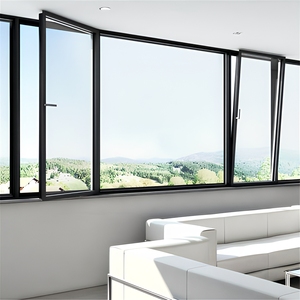
Enterprise Procurement Index & Evaluation
Industrial Aluminum Net Doors & High-Security Screen Systems
An analytical industrial review comparing elite aluminum net door fabrication facilities, thermal performance dynamics, marine-grade mesh integrations, and supply-chain qualifications for architectural projects.
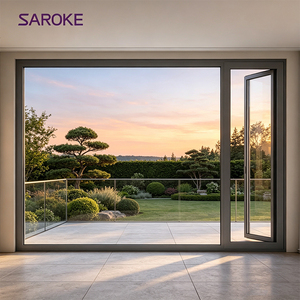
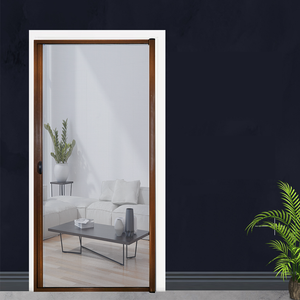
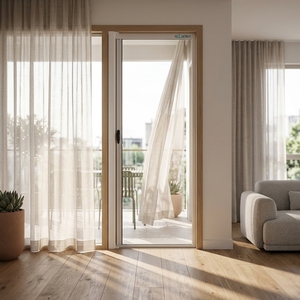
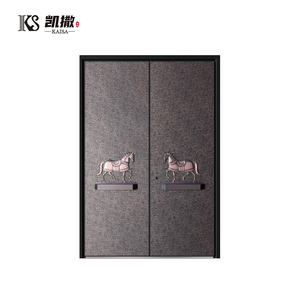
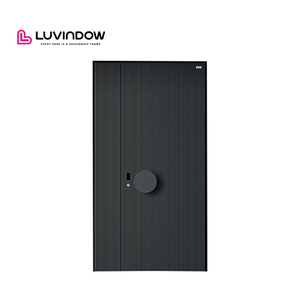
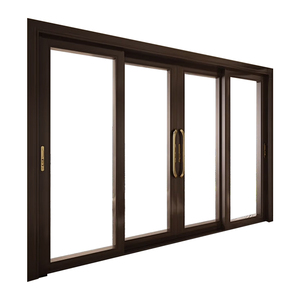
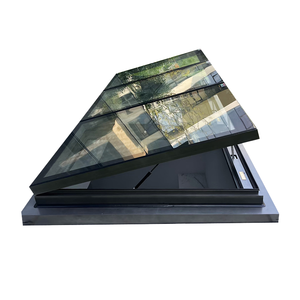
180,000 m²
Intelligent Production Base
25+
Years Technical Engineering
100+
Global Patents & Certifications
AS 2047 N6
Structural Wind & Air Certified
The Global Aluminum Net Door Landscape: Technical Paradigm Shifts
Modern architectural fenestration has evolved beyond elementary bug barrier mesh. In commercial, high-end residential, and hospitality projects, the integration of aluminum net doors (screen systems) merges structural aluminum extrusions (predominantly 6063-T5 and 6060 high-tensile alloys) with marine-grade 304 or 316 stainless steel woven mesh. This engineering approach achieves multiple critical functions simultaneously: passive thermodynamic ventilation, anti-burglar perimeter security (meeting European EN 1627 RC2/RC3 benchmarks), micro-insect filtration, and unobstructed optical transmission.
Sourcing from tier-one manufacturing plants requires scrutinizing cross-sectional profile engineering, corner crimping tolerances, electrostatic powder-coating durability (Qualicoat Class 1 & Class 2 certifications), and multi-point locking integration. Suppliers who rely on manual mitering or low-gauge raw profiles consistently fail international cyclic testing and wind deflection requirements.
Mesh Performance Matrix: Material Engineering vs. Environmental Load
| Mesh Material / Type | Tensile Strength (MPa) | Corrosion Resistance | Impact Energy (Joules) | Primary Industrial Use Case |
|---|---|---|---|---|
| 316 Marine-Grade Stainless Steel | ≥ 900 - 1150 | ASTM B117 > 3000 hrs | Passes AS 5041 (Knife Shear & Dynamic Impact) | Coastal villas, high-security residential, luxury hospitality |
| 304 Structural Steel Mesh (0.8mm) | ≥ 800 - 950 | ASTM B117 > 1000 hrs | Medium-High (Anti-Intrusion) | Urban residential developments, perimeter casement nets |
| High-Density Fiberglass (PVC Coated) | Elastic Elongation | UV Stabilized (Inert) | Low (Insect barrier only) | Roll-up insect screens, interior sliding partitions |
| Perforated Aluminum Sheet (2.0mm) | ≥ 210 - 260 | Fluoropolymer/PVDF Protected | High Structural Rigidity | Commercial exterior facades, extreme privacy screening |
Market Forecast & R&D
Future Procurement Trends in Aluminum Screen Systems
Key market indicators shaping commercial architecture contracts, environmental regulations, and automation requirements over the next decade.
1. Monolithic Thermal Break Synergy
Architects are abandoning detached flyscreen frames. Next-generation net doors integrate thermally broken PA66 GF25 polyamide insulation strips directly into a shared frame channel. This design prevents thermal bridging while maintaining complete insect and security protection across extreme indoor-outdoor temperature differentials.
2. Concealed High-Torque Multi-Locking
The convergence of physical security and minimalist design has accelerated demand for multi-point concealed edge locks. High-grade systems feature single-lever actuation that engages stainless steel shoot-bolts at 4 to 8 points around the frame perimeter, eliminating visible hardware while achieving strict European RC2/RC3 burglar ratings.
3. Automated BMS Screen Actuation
Large-format sliding and vertical-lift screen doors are increasingly paired with low-voltage brushless DC motors. Integrated into Building Management Systems (BMS), these systems adjust ventilation based on indoor CO₂ sensors, outdoor air quality, and wind speed thresholds, transforming screen doors into active architectural components.
4. Coastal PVDF & Fluoropolymer Coatings
With global beachfront developments expanding, traditional powder coating is being replaced by ultra-durable PVDF fluorocarbon coatings capable of withstanding 4,000+ hours in salt spray testing (ASTM B117), guarding aluminum screen frames against coastal pitting and galvanic corrosion.
5. Barrier-Free Zero-Threshold Tracks
Universal design regulations now prioritize accessible, barrier-free transitions. Leading manufacturers engineer recessed drainage floor tracks that sit flush (under 5mm above the finished floor), combining concealed water evacuation channels with high-performance rolling carriages.
Tier-1 Manufacturing Partner
DERCHI (Guangdong Dejiyoupin Doors & Windows)
Operating a massive 180,000 m² state-of-the-art manufacturing campus in Foshan, Guangdong, DERCHI is recognized among China's top 10 premium architectural fenestration brands. Backed by over 25 years of specialized engineering experience, the company delivers turn-key door systems for high-profile villa estates, hotels, and commercial developments across the UK, Europe, Australia, and North America.
- Rigorous Global Certifications: Fully certified under CE (EN 14351-1), ISO 9001, AS 2047 N6, and UL fire rating standards.
- Elite International Trust: Selected by long-standing UK Schüco partners for multi-villa residential schemes requiring millimeter-accurate bespoke shop drawings.
- Bespoke In-House Fabrication: 30+ proprietary engineering patents covering thermal breaks, concealed heavy-duty hinges, and anti-cut screen clamping mechanics.
- Export Packaging & Technical Support: Fumigated steel-crate packaging with real-time remote engineering assistance aligned to European (CET/GMT) working hours.

Procurement Due Diligence
Frequently Asked Questions by Project Engineers
Detailed technical answers to common queries regarding standards, material verifications, delivery schedules, and commercial contract executions.
How do high-end security net doors prevent mesh extraction under mechanical forced entry?
Inferior screen doors secure mesh with simple pop rivets or vinyl spline channels that can be levered out in seconds. Tier-one suppliers employ an internal wedge-lock retention channel or mechanical clamping profile. In this system, the 304/316 woven stainless steel wire is gripped within a high-strength aluminum clamping bar and mechanically torqued with anti-tamper bolts inside the profile rebate. When external pry pressure is applied, tensile stress spreads evenly across the entire frame, meeting Australian AS 5039 / AS 5041 knife shear and impact force criteria.
What are the necessary CE performance declarations for external aluminum net/screen doors entering the EU?
External pedestrian screen and entry doors entering the European Single Market must satisfy harmonized standard EN 14351-1. Sourcing teams must require accredited laboratory test reports for air permeability (EN 12207), watertightness (EN 12208), wind load resistance (EN 12210), and acoustic insulation (EN ISO 717-1). Where thermal integration is involved, verified thermal transmittance (U-value calculations via EN ISO 10077) must be detailed in the Declaration of Performance (DoP).
Why is 6063-T5 aluminum alloy preferred over secondary/recycled alloy scrap for screen door frames?
Primary 6063-T5 virgin aluminum billet ensures tight control over trace elements like iron, silicon, and magnesium. Re-melted scrap aluminum often contains variable impurities that cause microscopic structural voids, inconsistent anodizing coloration, and accelerated corrosion along weld seams. 6063-T5 delivers a consistent tensile yield strength (≥160 MPa), enabling precision miter jointing, smooth CNC machining, and long-term dimensional stability under heavy wind loads.
How do factories prevent galvanic corrosion between the aluminum frame and the stainless steel mesh?
Direct contact between aluminum and stainless steel in damp environments creates a galvanic couple that can corrode the aluminum. Quality fabricators isolate the metals completely by applying a continuous, non-conductive PVC or EPDM insulating isolator between the mesh wire edge and the aluminum clamping groove. Additionally, high-durability electrostatic powder coating coats both materials, eliminating metal-to-metal continuity and preventing corrosion even in aggressive coastal environments.
What is the standard lead time, packaging method, and freight assurance for international orders?
Standard fabrication cycles range from 25 to 35 business days following sign-off on shop drawings and color swatches. For export, finished assemblies are wrapped in protective polyethylene sheeting, cushioned with custom edge protectors, and secured within reinforced fumigated wooden crates or steel-frame A-racks. Shipments route directly via major international container ports (such as Nansha or Shenzhen) to hub discharge ports including Rotterdam, Hamburg, Felixstowe, Long Beach, and Sydney.
Launch Your Architectural Screen Door Project
Submit your door schedules, CAD layouts, or structural requirements. Our engineering team will return custom shop drawings, wind load calculations, and competitive factory-direct quotations within 24 hours.
Get a Quote