Precision Fenestration & Hinged Enclosure Solutions
Engineered for weather extremes, seismic compliance, and superior architectural expression. Review our primary production series exported worldwide.
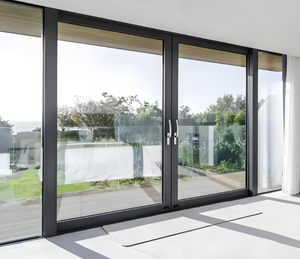
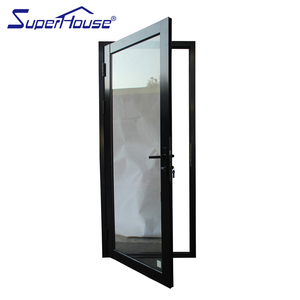
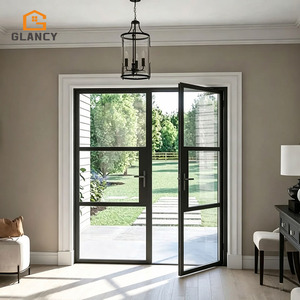
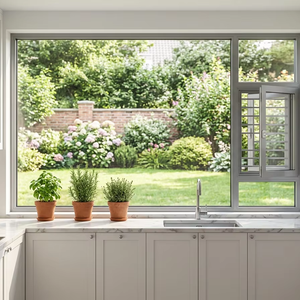
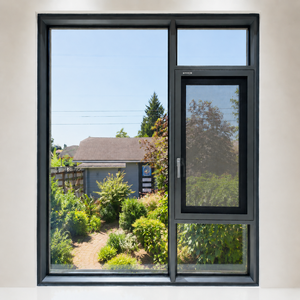
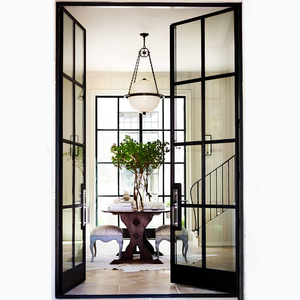
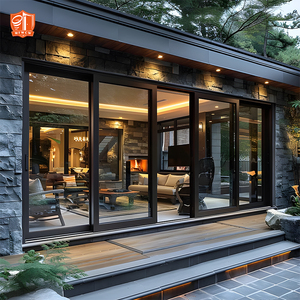
The Global Architecture Paradigm: Why Aluminium Hinged Windows Lead Modern Specifications
In high-performance structural architecture, fenestration is no longer treated merely as a passive barrier against precipitation. It functions as an active thermal boundary, an acoustic filter, and a primary security threshold. Hinged windows—encompassing side-hung casements, top-hung awnings, bottom-hung hoppers, and dual-action tilt-and-turn configurations—dominate architectural specifications worldwide because of mechanical compression sealing.
Unlike sliding window mechanisms that rely on brush seals prone to friction wear and progressive air leakage, an aluminium hinged window utilizes a perimeter multi-point locking mechanism that drives the sash tightly against multi-chambered EPDM (Ethylene Propylene Diene Monomer) gaskets. When mechanical locks engage around the frame perimeter, compression pressure is uniformly distributed, creating a hermetic seal. This engineering advantage makes hinged units the preferred choice for projects targeting passive house levels of air tightness, hurricane resistance, and rigorous acoustic deadening.
Polyamide Thermal Barriers
Modern hinged systems feature multi-chamber PA66 GF25 (25% glass fiber reinforced polyamide) thermal breaks isolating exterior aluminium extrusions from the interior, preventing condensation and energy transfer.
Compression Perimeter Sealing
Continuous vulcanized ternary EPDM foam gaskets form triple-barrier sealing zones (rain barrier, wind check, and interior thermal air stop) offering acoustic suppression above 42 dB.
Aviation-Grade 6063-T6 Alloys
Manufactured from primary virgin aluminium billets with precision-controlled wall thicknesses between 1.8mm and 3.0mm, yielding structural stability under cyclical wind loads up to 5000 Pa.
Engineering Standards & Factory Specifications
When sourcing aluminium hinged windows directly from premier Chinese manufacturing hubs like Foshan, engineering directors and procurement officers evaluate technical compliance through quantitative performance matrices. DERCHI produces window systems calibrated to surpass North American NFRC/AAMA, Australian AS2047, and European EN 14351-1 testing protocols.
| Performance Characteristic | Test Standard / Regulatory Benchmark | Factory Technical Metric | Architectural Application Significance |
|---|---|---|---|
| Thermal Transmittance (U-Value) | EN ISO 10077-1 / 2, NFRC 100 | Uw ≤ 1.1 - 1.6 W/(m²·K) | Complies with Germany GEG, UK Building Regs Approved Document Part L, and US Energy Star zones. |
| Air Infiltration Resistance | EN 12207 (Class 4), ASTM E283 | q100 ≤ 0.05 m³/(h·m) / ≤ 0.1 cfm/ft² | Prevents uncontrolled air drafts, minimizes HVAC cycling, and eliminates whistle in high-velocity coastal zones. |
| Water Penetration Resistance | EN 12208 (Class E900), ASTM E331 | Static pressure > 900 Pa | Guarantees zero interior water penetration during torrential storm events and cyclical coastal deluges. |
| Wind Load Resistance | EN 12210 (Class C5), AS 4055 / AS 2047 | Design Load ≥ 4.5 kPa, Service ≥ 3.0 kPa | Prevents frame deflection in high-rise curtain integrations and wind-exposed mountain architecture. |
| Acoustic Attenuation (Rw / STC) | ISO 717-1, ASTM E413 | Rw 38 dB to 46 dB (with Acoustic PVB) | Dampens ambient urban traffic, aviation sound paths, and environmental low-frequency resonance. |
| Impact Resistance (Hurricane) | Miami-Dade County TAS 201/202/203, ASTM E1886/E1996 | Large Missile Level D (50 ft/s strike) | Mandatory for coastal Florida (NOA protocol), Caribbean hurricane corridors, and Pacific typhoon fronts. |
Future Sourcing & Procurement Trends (2025–2030)
The international procurement landscape for architectural aluminium hinged windows is experiencing structural shifts driven by decarbonization policies, digitised supply chain auditing, and technical demands from modern architectural studios. B2B importers, commercial developers, and regional distributor networks must position their sourcing workflows to capitalize on five macro movements:
Low-Carbon Green Aluminium
Importers face strict carbon tariffs (such as the EU Carbon Border Adjustment Mechanism). Forward-looking Chinese mills deploy hydropower-smelted low-carbon aluminium billets coupled with EPD (Environmental Product Declarations) verifying cradle-to-gate lifecycle transparency.
Smart Facade & Actuation Integration
Hinged fenestration is transitioning from manual operation to building-integrated management systems (BMS). Procurement specifications increasingly mandate concealed 24V DC chain actuators, rain/wind sensors, and automated smoke clearance ventilation conforming to EN 12101-2.
Ultra-Narrow Sightline Engineering
Architectural demand focuses on concealed sash profiles where the moving leaf frame is visually obscured behind the outer frame. This structural layout maximizes glass-to-frame ratios and passive solar heat gains without sacrificing structural inertia.
Furthermore, digital twins and parametric BIM (Building Information Modeling) objects have shifted from optional bonuses to mandatory pre-requisites. Chinese exporters that provide native Revit/IFC families with validated thermal breakpoints enable architectural firms to complete lifecycle assessments prior to issuing letters of credit.
DERCHI Engineering: Foshan's Benchmark Production Facility
Operating from our modern 180,000 square meter industrial manufacturing campus in Foshan, Guangdong—the world's foremost cluster for architectural aluminium metallurgy—DERCHI (Guangdong Dejiyoupin Doors and Windows Co., Ltd.) ranks among the elite top 10 window and door engineering brands in China.
Backed by over a quarter-century of technical expertise, our facilities house CNC 5-axis profile machining centers, robotic precision crimping bays, and computerized glass tempering lines. Our engineering department has earned over 100 patents and formal certifications across CE, AS2047, and ISO 9001 standards, delivering direct contract manufacturing for developers, facade contractors, and premier international brands worldwide.
Inquire Now
Frequently Asked Questions: Global Window Sourcing
Critical commercial and technical guidance for quantity surveyors, project architects, and direct import teams.