Engineered Aluminium Jali Windows & Architectural Assemblies
High-performance double glazed, multi-track sliding, and integrated stainless steel mosquito/security wire mesh (machhar jali) profiles engineered to ASTM, EN, and AS 2047 fenestration standards.
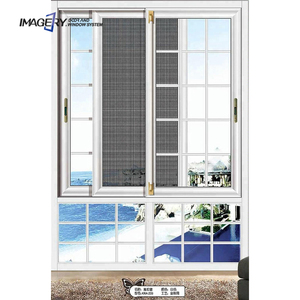
Simple Design Double Glazed 3 Tracks White Grill Frameless House Aluminum Sliding Door Window with Mosquito Net for Philippines
3-track sliding configuration with integrated stainless insect jali, double insulated glass units (IGU), and high-weatherability powder coating.
Factory Aluminium Window Screen Wire Mesh for machhar Jali/aluminium Woven mesh net for Mosquito or rat Barriers
Industrial woven wire barrier net engineered from precision-drawn aluminium-magnesium alloy; high airflow permeability with anti-vermin protection.
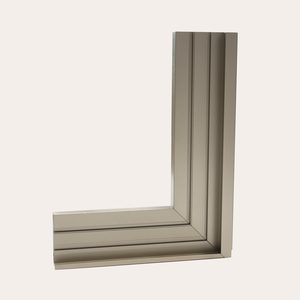
Made in ltaly Commercial Excellent Durability Aluminum Window Frame Profile With 4 Mm Tempered Glass
Commercial architectural framing profile with 4mm toughened safety glazing, structural multi-point seals, and optional retrofittable insect mesh tracks.
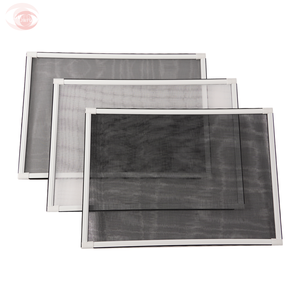
Hot Selling Adjustable Expandable Aluminum Door Windows Accessories Fly Insects Mosquito Mesh Sliding Screen Window Frame Kit
Modular, expandable sash framework engineered for field adjustments; fitted with ultra-fine fiberglass or woven aluminium mesh for retrofit assemblies.
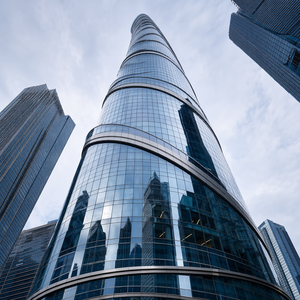
Modern Design Outdoor Aluminum Frame Curtain Wall Building Tempered Glass Window Wall Facade Double Glazed Curtain Wall
High-rise curtain wall facade system with thermal break transoms and mullions; adaptable to concealed natural ventilation panels and integrated jali louvers.
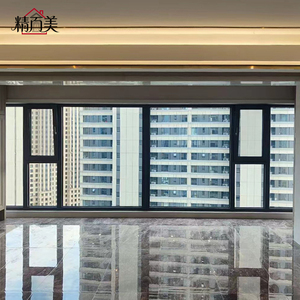
Custom High End Villa 6063 T5 Aluminum Alloy Profile 92mm Frame Depth 40mm Thermal Break Reinforcement Link System Window
Architectural 92mm system depth with 40mm PA66GF25 thermal insulation barrier, multi-point lock hardware, and high-tensile stainless steel security jali.
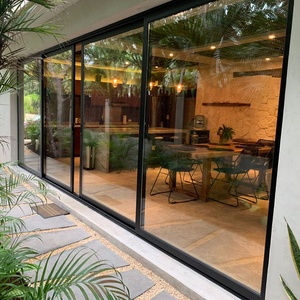
Heat Insulation and Windproof Modern Design Aluminum Sliding Glass Window and Stacker Doors Double Glazed
Heavy-duty stacker configuration accommodating high wind loads; multi-sash sliding tracks with integrated heavy-gauge security mesh screen sash.
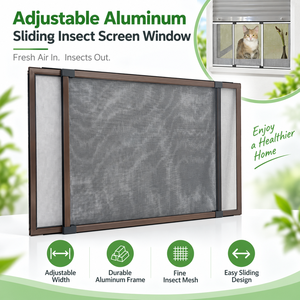
Aluminium Window Profile Extensible Sliding Insect Screen Mosquito Net Frame Durable Ventilation Customized Size Modern Home Use
Extruded AA6063 alloy sliding screen sash with smooth nylon roller carriages and anti-derailment design for high-traffic residential and commercial applications.
1. The Engineering Evolution of Architectural "Jali" Fenestration
In modern architectural fenestration, the term Jali Window has transitioned from historic perforated stone and masonry lattice screens into advanced, structurally integrated aluminium and high-tensile wire mesh assemblies. For international property developers, facade engineers, and procurement leads sourcing from tier-one factories, modern aluminium jali fenestration represents a multi-functional envelope solution: delivering microclimate ventilation, insect interception (machhar jali), solar shading, and forced-entry deterrence without compromising structural integrity or aesthetic sightlines.
Contemporary building envelopes demand assemblies that satisfy both thermal efficiency mandates (such as Europe's EN ISO 10077-2 or North America's NFRC standards) and aggressive physical protection thresholds. Modern extruded aluminium jali windows resolve these requirements through multi-cavity, thermally broken extrusions coupled with marine-grade 304 or 316 stainless steel woven mesh (0.80mm to 1.00mm wire diameter) anchored via mechanical compression retention systems.
Technical Distinction: Standard insect fly screens utilize fiberglass or vinyl-coated polyester mesh solely intended for insect control. True architectural aluminium jali assemblies integrate structural 6063-T5 aluminium alloy perimeter profiles with tensile-tested stainless steel mesh possessing minimum tensile strength ratings exceeding 900 MPa, functioning simultaneously as high-security barriers meeting Australian Standard AS 5039 and European RC2 burglary resistance classifications.
Cross-Sectional Architecture: Three-Track Sliding & Integrated Security Jali
The predominant structural design in export-oriented residential and light commercial developments is the triple-track (3-track) sliding profile. Unlike conventional dual-track systems that require field-fitted aftermarket screens, the monorail-extruded 3-track profile incorporates glass sashes and the security jali sash into an integrated frame depth ranging between 90mm and 135mm. This design guarantees:
- Structural Coplanarity: Uniform distribution of positive and negative wind pressures across structural transoms and jambs, verified to meet wind load deflection limits (L/250 or L/175 according to ASTM E330 and AS 2047 N6).
- Concealed Drainage & High Watertightness: Step-down sill baffles with directional check valves preventing water reverse-osmosis under static water penetration pressures up to 450 Pa (EN 12208 Class 9A).
- Air Permeability & Dust Filtration: Dual-fin silicone-treated EPDM weatherstripping flanking the jali frame, preventing insect migration around sash perimeters while preserving convective airflow rates essential for tropical and subtropical bioclimatic designs.
Metallurgical & Mechanical Performance Comparison Matrix
| Component / Material | Alloy / Specification | Mechanical Property | Corrosion & Exposure Standard | Architectural Role |
|---|---|---|---|---|
| Primary Frame Extrusions | AA6063-T5 / T6 High Precision | Yield Strength ≥ 160 MPa; Hardness ≥ 10-12 Webster | AAMA 2604 / AAMA 2605 (PVDF 3-coat) > 3,000 hrs salt spray | Main load-bearing frame, transoms, sills, and multi-track guides |
| High-Tensile Security Jali | AISI 316 Marine-Grade Stainless | Wire Ø 0.80mm – 1.0mm; Tensile ≥ 900 – 1050 MPa | Passivated & AkzoNobel Interpon powder coat > 1,000 hrs neutral salt spray | Knife-shear resistance (AS 5041), forced-entry barrier, insect exclusion |
| Standard Insect Mesh | Al-Mg Alloy / 18×16 Mesh Count | Aperture 1.4mm × 1.2mm; Open area ratio ~68% | Electrostatic epoxy coated, weather resistant, non-combustible | Optimal convective airflow, vector-borne insect interception (machhar) |
| Thermal Barrier Strips | PA66 GF25 (Polyamide + 25% Glass) | Tensile strength ≥ 80 N/mm²; Elastic modulus ≥ 4,500 MPa | Linear thermal expansion matching aluminium (2.3×10&sup-5; K&sup-1;) | Breaks thermal bridging, lowers overall window U-value to Uw ≤ 1.6 W/m²K |
| Weatherproofing Gaskets | Vulcanized EPDM Cellular Rubber | Elongation at break ≥ 250%; Compression set ≤ 25% (at 70°C) | Ozone & UV degradation resistant under continuous solar radiation | Acoustic isolation, draft prevention, and airtight seal (EN 12207 Class 4) |
Future Procurement Trends in Aluminium Jali Fenestration (2025–2035)
As global green building standards tighten and extreme climate phenomena become standard design parameters, B2B sourcing criteria for architectural windows with jali mesh are shifting dramatically.
1. Monolithic Slim-Profile Multi-Sash Systems
Architects are rejecting clunky, multi-profile retrofit assemblies. Future procurement focuses on ultra-narrow sightline systems (mullion interlocks under 32mm) that house structural double glazing and retractable or concealed security jali within a flush, coplanar framework. Developers achieve panoramic views while fulfilling municipal building code requirements for cross ventilation and perimeter security.
2. Bioclimatic Natural Ventilation & Energy Offsets
With operational carbon footprint regulations (e.g., EU Energy Performance of Buildings Directive and LEED v4.1 certifications), HVAC dependency is being offset by passive night-purge natural ventilation. High-permeability aluminium jali windows provide uninterrupted night cooling while preventing pest ingress and securing the envelope against intruders, cutting building cooling energy loads by up to 28%.
3. Cyclone & Marine-Grade Coastal Resilience
Procurement specifications for island and coastal developments (such as the Caribbean, Southeast Asia, and Mediterranean corridors) require fenestration tested to severe wind-driven rain and cyclic fatigue. Factory pre-treated chromate-free chemical conversions and marine-grade 316 stainless steel wire mesh assemblies capable of resisting C5 marine corrosive environments without pitting are becoming mandatory tender prerequisites.
2. Technological & Manufacturing Advancements in Modern Factories
The manufacturing gap between tier-one specialized exporters and regional job-shop fabricators centers on three engineering domains: automated CNC corner crimping, mesh tensioning/retention technology, and sustainable surface finishing lines.
Screwless Mechanical Wedge Mesh Retention vs. Traditional Splines
Historically, mosquito netting and jali wire were fastened into aluminium channels using flexible PVC or rubber spline cords. Under intense UV radiation and seasonal temperature fluctuations, rubber splines degrade, shrink, and allow the mesh to sag or pull free under slight impact. Leading exporters have replaced spline-fixed systems with patented mechanical wedge clamping systems:
- The high-tensile stainless steel wire mesh is machine-stretched uniformly across all four axes under continuous pneumatic tension (ensuring 0% surface sag).
- An extruded aluminium locking wedge is driven into an internal undercut cavity inside the sash profile, clamping the wire edges with metal-to-metal bite pressure.
- This mechanical bond withstands dynamic impact energies exceeding 100 Joules (matching Australian AS 5039 test protocols for security screen doors and windows), preventing the screen from being kicked or pried out by intruders.
Thermal Break Barrier Engineering: PA66GF25 Reinforcement
In mid-to-high latitude markets, non-thermal aluminium frames generate severe condensation during winter months, leading to interior mold and structural degradation. Precision factories deploy multi-point thermal break insertion machines that mechanically knurl aluminium profile cavities before inserting 25% glass-fiber reinforced polyamide strips (PA66 GF25), followed by high-pressure rolling compaction. This composite cross-section ensures:
- Transverse tensile shear strength exceeding 70 N/mm according to EN 14024.
- Thermal conductivity reduction from raw aluminium (≈ 160 W/m·K) down to composite assembly conductivity (≈ 0.25 W/m·K), enabling complete window U-factors (Uw) below 1.4 W/m²K when paired with double Low-E Argon-filled glass units.
Why Global Specifiers Source from DERCHI (Guangdong Dejiyoupin)
Operating from the global epicenter of architectural aluminium extrusion in Foshan, China, DERCHI brings over a quarter-century of technical engineering, patented innovation, and rigorous project delivery to international construction markets.
Tier-One Production Scale
Our expansive, intelligent manufacturing facility houses fully automated European-calibrated extrusion, powder coating, precision CNC machining, and double glazing lines, operating with an annual fenestration capacity exceeding 300,000 square meters.
International Accreditations
DERCHI systems hold verified certifications including CE (EN 14351-1), ISO 9001 quality assurance, Australian AS 2047 cyclonic testing (passed N6 standard—the highest level), and North American UL fire ratings, ensuring seamless local building control approval.
Free BIM & CAD Shop Drawings
Our in-house facade engineering team of 40+ senior technical designers prepares comprehensive CAD shop drawings, section details, structural FEA calculations, and BIM models tailored to your project's specific window schedule within 24 to 48 hours.
Full-Cycle Pre-Assembly Testing
100% of custom orders undergo structural test-fitting, sash alignment, laser squareness verification, and water tightness testing before crating. Every batch includes full traceability documentation and factory inspection reports (FIR).
Engineered Sea Freight Packaging
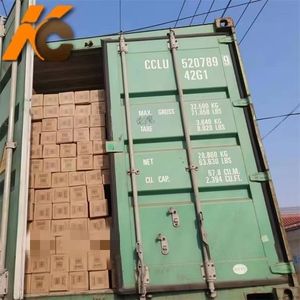
Protected with high-density protective film, closed-cell foam edge buffers, and fully enclosed fumigated wooden crates with moisture-absorbent desiccants, ensuring damage-free delivery to Rotterdam, Hamburg, Antwerp, Manila, Melbourne, or Long Beach.
Timezone-Aligned Engineering Desk
Fluent English-speaking technical sales engineers align directly with European (CET/GMT) and American business hours, offering remote installation guidance, site hardware coordination, and dedicated after-sales support.
Frequently Asked Questions for Window Importers & Contractors
Detailed engineering answers covering metallurgical certifications, structural wind load limits, mesh wire specifications, and global logistics workflows.
What is the structural difference between standard mosquito netting and high-tensile security jali? +
In contrast, high-tensile security jali is woven from marine-grade AISI 304 or 316 stainless steel wire with a wire thickness of 0.80mm to 1.00mm and a tensile strength rating exceeding 900 MPa. When retained within an architectural aluminium frame using mechanical compression wedges, it satisfies knife-shear resistance tests (AS 5041), dynamic impact tests, and jemmy attack tests (AS 5039 / EN 1627 RC2), functioning simultaneously as a forced-entry barrier, fall-prevention screen, and mosquito barrier.
How do DERCHI aluminium jali windows perform under high wind load and tropical storm conditions? +
Can your aluminium jali systems meet national thermal performance codes (e.g., German GEG, UK Part L, or US Title 24)? +
What surface treatments are recommended for coastal or high-salinity marine environments? +
- PVDF (Fluorocarbon) 3-Coat System: Compliant with AAMA 2605, featuring a minimum 70% Kynar 500 / Hylar 5000 resin content, backed by a 20-year anti-chalking and anti-fading warranty.
- Class 1 / Class 2 Architectural Anodizing: Anodic layer thickness ≥ 20–25 microns (Qualanod certified) providing extreme surface hardness and resistance to salt mist attack.
- Mesh Selection: Exclusively marine-grade AISI 316 stainless steel wire (molybdenum content ≥ 2.0%) coated with specialized anti-corrosion black thermoset powder, tested to 3,000+ hours in ASTM B117 salt spray chambers without surface pitting.
What is the standard manufacturing lead time and export delivery process for project quantities? +
- Standard Extrusion Colors (White, Black, Anthracite Grey): 25 to 30 business days production lead time.
- Custom RAL Colors, Special Textures, or Woodgrain Finishes: 30 to 35 business days.
- Logistics: Factory-container stuffing in Foshan with sea freight booking directly to destination ports (approx. 22-28 days to Western European main ports; 14-20 days to US West Coast; 8-12 days to Southeast Asia). Each shipment is insured under CIF terms with container seal verification and bill of lading traceability.
How does the stainless security mesh affect optical clarity, natural daylighting, and airflow? +
Do you provide complete hardware matching and multi-point locking mechanisms? +
Can you fabricate bespoke window sizes, curved heads, and structural coupled bays? +
3. The Professional Sourcing Checklist for B2B Window Importers
To avoid costly project delays, site fitting errors, or non-compliant envelope performance when importing aluminium jali windows from China, procurement teams should mandate that vendors provide the following engineering documentation prior to contract signing:
| Evaluation Domain | Required Verification Document | Engineering Quality Benchmark |
|---|---|---|
| Alloy Metallurgy | Mill Test Certificate (MTC) for Billets | EN 573-3 / ASTM B221: Primary aluminium 6063-T5 (not scrap recycled content) |
| Wire Mesh Chemistry | Spectrometric Chemical Analysis Report | AISI 304 (Ni ≥ 8.0%, Cr ≥ 18.0%) or AISI 316 (Mo ≥ 2.0%) for true rust prevention |
| Structural Wind Load | Chamber Pressure Test Report (ASTM E330 / AS 2047) | Deflection ≤ L/250 at serviceability pressure; zero hardware disengagement |
| Coating Durability | Salt Spray Chamber Test (ASTM B117 / ISO 9227) | ≥ 1,000 hrs for architectural powder; ≥ 3,000 hrs for coastal PVDF systems |
| Glazing Safety | Impact Certification (EN 12150 / ANSI Z97.1) | Fully tempered safety glass with SGCC or CE standard batch stamp |
At DERCHI, every technical submittal package includes complete compliance certificates, structural calculations, and CAD shop drawings, protecting project developers from inspection rejections or warranty liabilities.
Initiate Your Engineering Consultation & Custom Project Quote
Send us your door and window schedule, architectural elevations, or structural tender specs. Our engineering team will review your requirements, prepare complimentary CAD shop drawings, and provide competitive direct-from-factory pricing within 24 hours.