High-Performance Aluminum Doors & Openings
Explore commercial and residential entry solutions manufactured using high-tensile 6063-T6 aluminum alloys, precision thermal breaks, and integrated multi-point locking mechanisms.
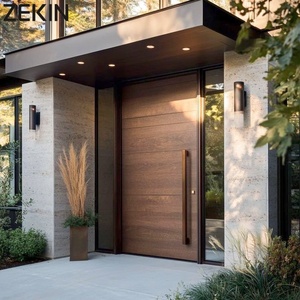
ZEKIN Modern American Design Luxury Entrance Pivot Door
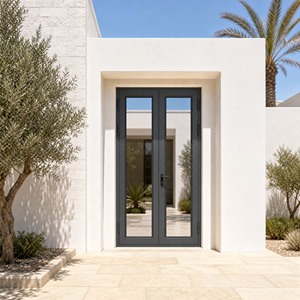
Thermal Break Aluminum Double Glazed Casement Hinged Door
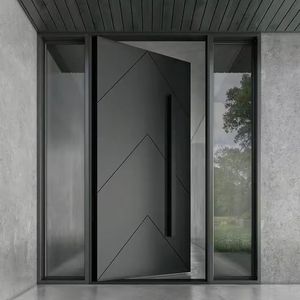
Modern Anti-Theft Minimalist Aluminum Pivot Entrance Door
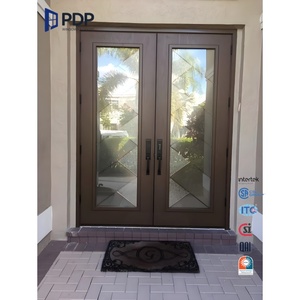
PDP Minimalist High-Security Aluminum Double Leaf Door
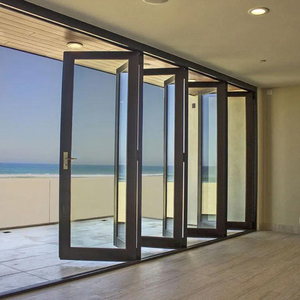
Heavy Duty Aluminum Alloy Folding Glass Door System
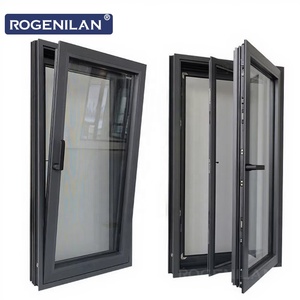
Rogenilan Double Glass Casement Window with Screen
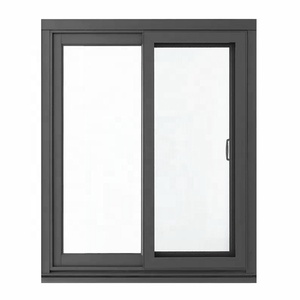
Heavy Thermal Break Aluminum Alloy Interior Sliding Door
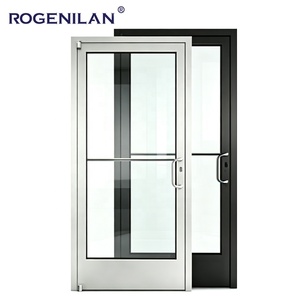
Rogenilan Custom Commercial Glass Double Swinging Doors
Engineering Excellence & Production Integrity
Recognized as an industry-leading tier manufacturer, our manufacturing capabilities bridge bespoke structural engineering with industrial-scale fabrication under ISO 9001 quality frameworks.
Global Compliance Tested
Fabricated strictly to meet European EN 14351-1 standards, CE marking, Australian AS 2047 N6 cyclonic ratings, and UL fire-resistant criteria for complete building code acceptance.
One-Stop Architectural Envelope
Integrated manufacturing workflows covering structural entry pivot doors, casement systems, cast aluminum relief portals, curtain walls, and specialized interior configurations.
Dedicated Shop CAD/BIM
Our in-house technical engineering teams generate comprehensive, millimeter-accurate shop drawings and cross-sectional structural details before metal processing begins.
Direct Global Logistics
Engineered seaworthy steel crate packaging optimized for sea-freight handling directly into container terminals across Europe, North America, Oceania, and the GCC region.
Evolutionary Shifts in Aluminum Door Procurement & Technology
The global exterior portal sector is transitioning from passive security doors to active, thermally optimized architectural building envelopes. Industrial specifiers evaluate several key structural evolutions.
Polyamide Thermal Barriers
Stringent thermal standards (e.g., German GEG, UK Part L) mandate overall UD values below 1.0 W/(m²·K). Modern manufacturing incorporates multi-cavity, continuous PA66 polyamide insulating bars infused with aerogel or high-density polyurethane cores to virtually eradicate thermal bridging across exterior aluminum profiles.
Over-Sized Pivot Geometry
Architectural demands for colossal entrance apertures have propelled the adoption of balanced, internal pivot hinges capable of sustaining leaf weights exceeding 500 kg and heights beyond 4 meters. These concealed heavy-duty systems ensure frictionless operation without exerting lateral torque on the building jamb.
Smart Access Integration
Procurement now centers on seamless biometric and building management systems (BMS). Modern entry systems integrate concealed electric strikes, 3D facial recognition scanners, motorized multi-point locks, and emergency fail-secure protocols natively within the profile extrusions during production rather than via aftermarket retrofits.
Technical Benchmark & Specification Parameters
Architectural engineering metrics evaluating structural tolerances, glazing compositions, and testing methodologies for professional project schedules.
| Evaluation Parameter | Standard Specification | Performance Benchmark | Engineering Compliance |
|---|---|---|---|
| Structural Metallurgy | Primary 6063-T6 / 6061-T6 Extrusion | Tensile Strength ≥ 205 MPa; Web Thickness ≥ 2.5-3.0mm | GB/T 5237, EN 755-9 Precision Tolerances |
| Thermal Transmittance (UD) | PA66 GF25 Thermal Strip (34mm+) | 0.85 – 1.2 W/(m²·K) Variable upon leaf configuration | ISO 10077-1 / EN 12412-2 Thermal Simulation |
| Burglar & Force Resistance | Heavy-Duty Steel Core Multi-Point Bolts | RC2 to RC3 Class Intrusion Deterrence Rating | EN 1627 / PAS 24 Certified Lock Hardening |
| Glazing Sub-Assembly | Insulated Safety Glass (Double/Triple) | Low-E Warm-Edge Tempered / PVB Multi-Layer Lamination | EN 12150 / ASTM C1048 Safety Glass Standards |
| Surface Coating Resilience | AkzoNobel / PPG Fluoropolymer (PVDF) | AAMA 2605 / Qualicoat Class 2 (Salt spray > 3,000 hrs) | Anti-Fading, Extreme Maritime & UV Stable |
Frequently Asked Questions for Project Procurement
Comprehensive answers addressing commercial, technical, and regulatory concerns regarding large-scale aluminum entry door orders.