Featured Architectural Aluminum Window & Door Series
Engineered for harsh microclimates, high grease vapor environments, and strict international building energy codes (EN 14351-1, NFRC, AS 2047).
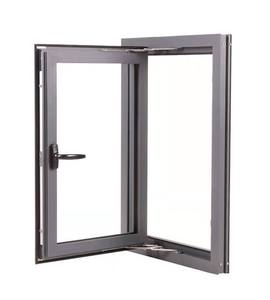
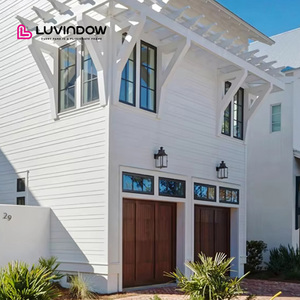
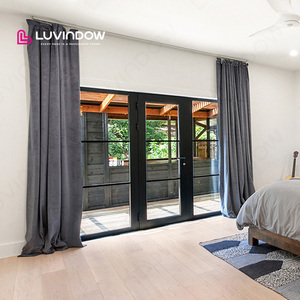
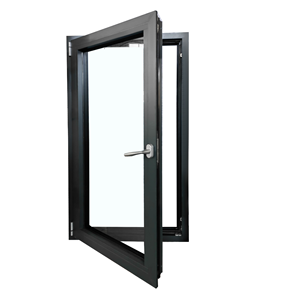
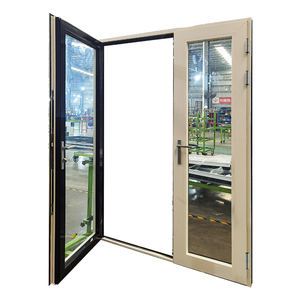
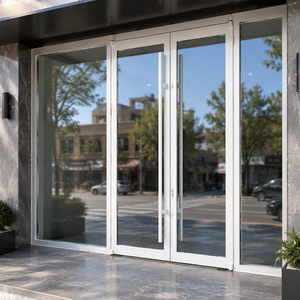
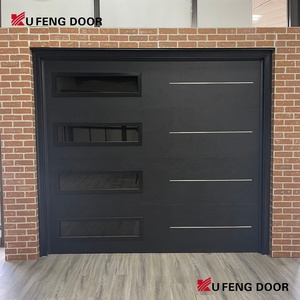
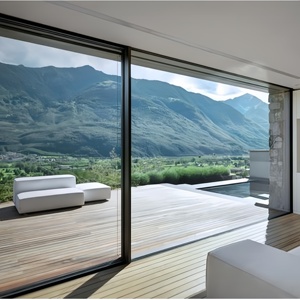
Why Tier-1 Contractors Rely on DERCHI Engineering
With more than 25 years of structural fenestration expertise and an intelligent 180,000 m² fabrication base in Foshan, Guangdong, we bridge the gap between architectural concept and structural reality.
Aviation-Grade 6063-T6 Extrusion
Our kitchen and architectural frames utilize high-density 6063-T6 primary aluminum billets, exceeding architectural standards for structural tensile strength, deflection resistance under high wind loads, and longevity against kitchen steam corrosive cycles.
Certified Global Compliance
Holding CE compliance (EN 14351-1), ISO 9001 certified quality controls, AS 2047 cyclonic impact accreditation, and UL fire classifications, our engineering submittals provide smooth approval pathways with regional building inspectors.
Free CAD & BIM Shop Drawings
Prior to manufacturing, our in-house fenestration engineering department delivers detailed architectural shop drawings, structural wind load calculations, and junction detail designs matching exact building schedules with zero tolerance drift.
Kitchen Environment Fenestration Engineering Standards
Kitchen windows endure extreme relative humidity spikes, high-temperature oil micro-particles, and negative pressure from industrial exhaust hoods. Below is our engineering performance comparison.
| Critical Performance Indicator | Standard Residential Grade | DERCHI Commercial-Kitchen Grade | Direct Architectural Benefit |
|---|---|---|---|
| Thermal Barrier Integrity | Standard PVC / Non-broken Extrusions | PA66 Polyimide Fiberglass reinforced (24mm–34mm) | Stops moisture condensation during boiling cycles, eliminating mold growth around wall reveals. |
| Surface Coating Resilience | Standard Liquid Spray (30μm) | AkzoNobel Qualicoat Class 2 Fluorocarbon (PVDF ≥ 65μm) | Impervious to grease accumulation, acid washings, citrus spills, and high-heat solar baking. |
| Ventilation Aerodynamics | Standard 45° Outward Swing | Dual-Action Tilt & Turn / Top-Hinged Awning (90° Cleared) | Allows high-volume passive hot air extraction without disturbing indoor cooking flame dynamics. |
| Acoustic Damping (Rw) | Single/Double Glaze (24-28 dB) | Laminated Double/Triple Low-E with Argon (38-44 dB) | Prevents street noise intrusion while insulating household areas from kitchen hood resonance. |
| Hardware Friction Stays | Basic Zinc Alloy Fasteners | AISI 316 Marine Stainless Multi-Point Concealed Stays | Zero oxidation or binding despite saturated atmospheric moisture and cleaning chemicals. |
Future Procurement Trends in Architectural Aluminum Windows
Analysis of international building codes, sustainability mandates, and next-generation luxury residential requirements driving fenestration tenders through 2026-2030.
1. Ultra-Low U-Value Mandates
Global energy efficiency policies (such as EU Net-Zero, Germany GEG, and California Title 24) are pushing thermal limits. Kitchen windows must now maintain whole-assembly U-values under 1.1 W/(m²·K), demanding triple-glazed insulated profiles with warm-edge spacers.
2. Flush-Sill Minimalist Sightlines
Modern luxury kitchens increasingly connect visually to alfresco patios. Demand for ultra-slim interlocking stiles (down to 20mm) and concealed drainage zero-threshold systems has surged by over 45% in luxury villa developments.
3. Automated IAQ Integration
Kitchen windows are integrating with smart building management systems (BMS). Procurement trends demonstrate rising specifications for concealed electric chain actuators linked to volatile organic compound (VOC) and carbon dioxide sensors for automatic air cycling.
4. Supply Chain Factory Consolidation
Commercial developers are moving away from sourcing windows, entry doors, and garage doors from separate vendors. Consolidating orders with end-to-end original equipment manufacturers reduces container shipping costs and eliminates site color mismatches.
5. Circular Aluminum & Low-Carbon Billet
Institutional property developers are prioritizing low-carbon hydro-powered or recycled post-consumer aluminum extrusions. Providing verifiable Environmental Product Declarations (EPD) has transitioned from an option to a mandatory procurement specification.
Frequently Asked Technical Questions (FAQ)
Direct answers to the most common fenestration engineering, thermal compliance, and import logistics questions asked by developers and architects.