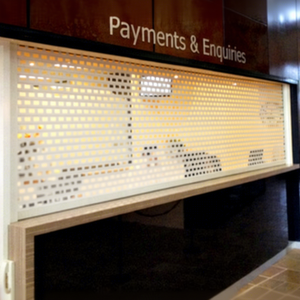
Precision Engineered Range
Featured Architectural Systems & Outbuilding Solutions
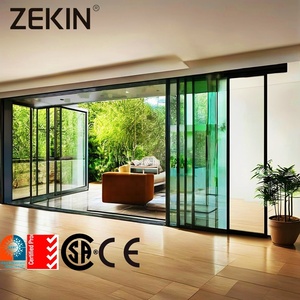
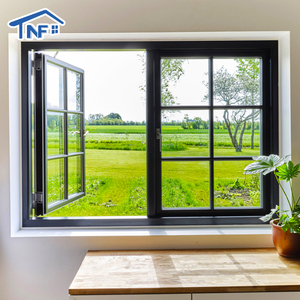
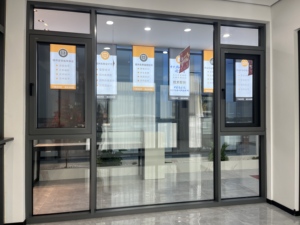
DERCHI’s high-precision aluminum framing systems incorporate thermal breaks, corrosion-resistant alloy extrusions, and heavy-duty structural profiles calibrated for auxiliary buildings, modern outdoor studios, and residential expansions.
Procurement Whitepaper
Industrial Evolution: Aluminum Shed Windows & Modular Enclosures
A technical evaluation of why modern modular builders, high-end landscape architects, and commercial developers are abandoning low-cost vinyl (uPVC) in favor of precision 6063-T6 thermal-break aluminum shed windows.
1. Structural Integrity & Material Performance Matrix
In auxiliary structures—including luxury residential studios, pre-fabricated modular garden offices, agricultural testing hubs, and high-security storage sheds—the building envelope is subjected to acute thermal cycles, structural racking, and direct solar radiation. The selection of fenestration directly controls structural airtightness, damp resistance, and building longevity.
Historically, manufacturers relied on untreated rolled steel or uninsulated PVC frames. Today, leading manufacturers utilize 6063-T6 architectural grade aluminum extrusions with multi-cavity thermal break polyamide (PA66) strips. This transition yields an exceptional strength-to-weight ratio, preventing corner sag and diagonal deflection over decades of operation.
| Engineering Attribute | Standard Shed Vinyl (uPVC) | Mild Rolled Steel | DERCHI 6063-T6 Architectural Aluminum |
|---|---|---|---|
| Thermal Expansion (10⁻⁶/K) | 60 - 80 (High warpage risk) | 12 (Moderate stability) | 23.2 (Engineered dimensional stability) |
| Tensile Yield Strength | 35 - 45 MPa | 250 MPa | ≥ 160 - 205 MPa (High rigidity) |
| Atmospheric Durability | UV degradation, yellowing | Rust, requires recoating | Qualicoat Class 2 / Marine Fluorocarbon |
| Acoustic Attenuation (Rw) | 20 - 24 dB | 22 - 26 dB | 34 - 42 dB (With Argon IGU) |
| Thermal Insulation (U-Value) | 2.8 - 3.5 W/m²K | > 5.0 W/m²K | ≤ 1.3 - 1.8 W/m²K (Thermal break) |
2. Global Procurement Trends: The Next 5-Year Horizon
Strategic purchasing managers must navigate rising environmental compliance codes, including European Energy Performance of Buildings Directive (EPBD) updates and localized zero-carbon building frameworks. When specifying aluminum shed windows and auxiliary building profiles, three definitive macro trends dominate wholesale transactions:
Decarbonized Circular Metallurgy
Global procurement mandates now stipulate post-consumer scrap recycling rates (≥40%) and low-carbon hydro-smelted primary ingots to slash Scope 3 embodied carbon across building schedules.
Monolithic to Factory Glazed
Builders are moving away from site-glazed knocked-down (KD) kits toward pre-hung, factory-tested structural units with integrated low-E argon-filled units to eliminate jobsite assembly faults.
Integrated Security & Concealed Hardware
Outbuildings frequently house valuable power tools, IT infrastructure, or residential assets. Demand is surging for European RC2/RC3 burglar-resistance standards and multipoint hidden locking systems.
Manufacturing Scale & E-E-A-T Benchmark
Guangdong Dejiyoupin Doors & Windows (DERCHI)
Headquartered in Foshan—the world’s foremost epicentre of precision aluminum manufacturing—DERCHI integrates vertical extrusion processing, automated CNC milling, automated powder coating, and full compliance engineering.
180,000 m²
Advanced Production Base
600+
Skilled Craftsmen & Engineers
100+
Patents & Global Certifications
25+
Years Manufacturing Mastery
Stringent Global Certifications
Every window assembly is certified under CE (EN 14351-1), ISO 9001, AS 2047 N6 wind resistance tests, and international acoustic/fire ratings. Our engineering reports remove all friction during municipal building inspections.
Schüco-Grade Engineering Rigor
Trusted by premier European partners—including a long-term British builder and Schüco partner for luxury multi-villa programmes—DERCHI combines European technical tolerances with competitive direct-from-manufacturer economics.
Complimentary CAD & BIM Delivery
We eliminate specification errors by providing end-to-end shop drawings, parametric cross-sections, and integration details tailored to timber frame, steel frame, light-gauge metal, or concrete masonry shed constructions.
Knowledge Base
Frequently Asked Technical & Sourcing Questions
Essential technical guidance compiled by senior fenestration engineers to streamline your procurement due diligence.
►
Why choose thermal break aluminum shed windows over standard aluminum profiles?
Standard uninsulated aluminum has high thermal conductivity (approx. 200 W/mK), which triggers severe condensation, mold development, and interior heat loss. Polyamide thermal barriers physically decouple the exterior and interior aluminum profiles, dramatically improving U-values to meet residential habitability codes for studios, workshops, and outbuildings.
►
What surface treatment is best for sheds situated in marine or harsh environments?
For coastal and high-humidity locations, we mandate fluorocarbon (PVDF) three-coat finishes or architectural powder coatings meeting Qualicoat Seaside certifications (≥60-80 microns). This formulation successfully passes 3,000 hours of accelerated neutral salt spray testing without pitting or blistering.
►
How does DERCHI guarantee zero transport damage on containerized sea shipments?
Each window unit undergoes four layers of industrial protection: peelable protective profile film, high-density polyethylene edge wraps, moisture-absorbing desiccants, and fumigated steel-strapped plywood crates. Shipments are loaded with air-dunnage bags directly at our Foshan facility to eliminate maritime motion shift.
►
Can outbuilding and shed windows be supplied with integrated insect screens and ventilation dampers?
Yes. We engineer flush-integrated, removable 304-grade stainless steel diamond security mesh or invisible high-transparency insect screens. In addition, trickle ventilation slots with acoustic baffles can be routed directly into the upper sash or transom to preserve passive cross-ventilation when closed.
►
What documentation is provided to support regional building code approvals?
Every procurement order includes a comprehensive compliance portfolio: CE Declaration of Performance (DoP) under EN 14351-1, third-party structural wind load reports (AS 2047 / ASTM E330), thermal simulation certifications (EN ISO 10077), and stamped factory quality assurance audits.
►
What is the typical production and delivery timeline for custom architectural runs?
Following digital sign-off of our detailed CAD shop drawings, standardized fabrication batches take 15–20 days. Bespoke architectural extrusions and custom dual-color RAL runs require 25–30 days. We coordinate direct vessel bookings to major ports worldwide, with dedicated time-zone support for project managers.