Engineered Architectural Systems for Nagoya Projects
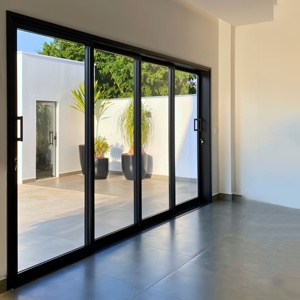
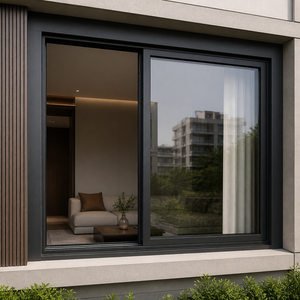
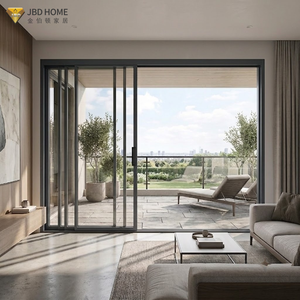
From structural heavy-duty casement envelopes to ultra-slim patio portals, our systems are fabricated using 6063-T6 virgin aluminium alloys, polyamide thermal breaks, and multipoint compression locking.
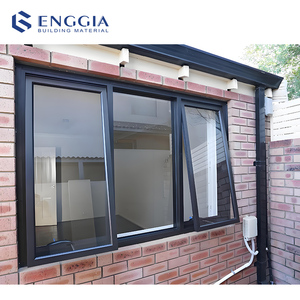
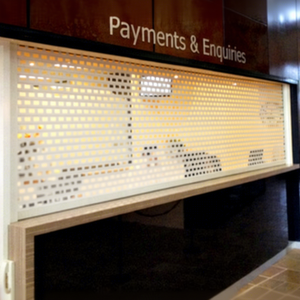
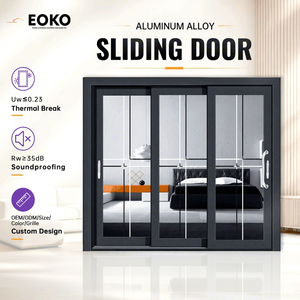
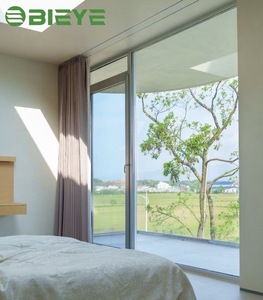
Technical Benchmarks: Japanese Industrial Standards (JIS) vs. Export Envelopes
For Japanese general contractors, architectural ateliers, and facade engineers across Nagoya and the Chubu industrial corridor, fenestration failure is not an option. Hinged systems must resist severe Ise Bay typhoon pressure differentials, coastal saline deposition, and stringent Building Standards Act (Kenbaku) criteria.
Wind Pressure Performance (S-Grade)
Under JIS A 4706, external casement fenestration installed along high-density coastal regions like Nagoya Port and Minato Ward requires wind pressure resistance of S-5 to S-6 (up to 2800–3600 Pa). DERCHI extrusions feature reinforced 2.0mm–3.0mm web wall profiles tested beyond Australian AS 2047 N6 criteria (4000+ Pa deflection threshold), preventing frame deformation under severe cyclonic conditions.
Water Tightness (W-Grade)
Traditional sliding windows frequently suffer leakage along bottom sills during intense horizontal rainstorms. Hinged systems engineered with EPDM continuous co-extruded compression gaskets achieve JIS W-5 watertight performance (>500 Pa test pressure). Multi-stage drainage chambers and concealed weeping channels prevent internal capillary suction during sudden convective cloudbursts (Guerrilla Rainstorms).
Thermal Insulation & Low-E Glazing
Compliant with MLIT Energy Conservation Standards, our multi-cavity PA66GF25 polyamide thermal break profiles deliver overall U-values down to 1.1–1.3 W/m²K. Argon-gas-filled Low-E insulating glass units (6mm+16Ar+6mm) shield interiors against Nagoya's sweltering 38°C summer heatwaves while eliminating condensation during freezing winter winds from Mount Ibuki (Ibuki-oroshi).
| Performance Vector | Japanese Standard (JIS A 4706) | DERCHI Engineered Hinged Profile | Engineering Benefit for Nagoya Fabricators |
|---|---|---|---|
| Wind Load Resistance | Grade S-5 to S-6 (2400 – 2800 Pa) | Exceeds 3600 Pa (Certified to AS 2047 N6) | Withstands Category 4/5 typhoon gusts along coastal Aichi waterfronts. |
| Airtightness (Air Leakage) | Grade A-4 (Below 2 m³/(h·m²)) | Grade A-4 Equivalent (< 1.2 m³/(h·m²)) | Drastically suppresses HVAC load; blocks airborne industrial PM2.5 particulates. |
| Water Penetration Resistance | Grade W-5 (500 Pa dynamic) | Dynamic pressure tested to 600 Pa | Guarantees leak-free performance against driving rain along Nagoya bay exposures. |
| Acoustic Attenuation | Grade T-2 to T-3 (30–35 dB drop) | Acoustic STC 38–42 dB with laminated IGU | Deadens Shinkansen railway vibrations and Meishin Expressway traffic noise. |
| Surface Anodizing / Coating | JIS H 8602 (Composite Oxide Film) | Qualicoat Class 2 Fluorocarbon (PVDF) / C35 Anodized | Resists marine salt corrosion, industrial sulfur dioxide, and UV chalking for 25+ years. |
Contextual Application Scenarios Across Greater Nagoya
Nagoya represents a unique synthesis of advanced manufacturing headquarters, high-density residential developments, and historic preservation. Our aluminium hinged windows deliver customized envelope solutions across diverse local topographies.
Luxury Villas in Yagoto & Showa Ward
Nagoya’s premier residential enclaves demand narrow-frame architectural elegance without compromising sound damping. Our concealed-hinge casement systems integrate seamlessly into contemporary concrete and cedar-clad residences, framing private Japanese gardens with expansive, clear views while sealing completely against winter downdrafts.
Commercial Facilities in Sakae & Meieki
High-traffic commercial headquarters, high-end retail showrooms, and mid-rise office facades require robust French hinged casement portals and motorized awning configurations. Our heavy-duty European hardware fittings sustain up to 200kg sash weights and 200,000 continuous opening cycles, certified for strict commercial code approvals.
Logistics & Industrial Plants along Nagoya Port
Situated within the Tokai coastal industrial belt, maritime distribution hubs require extreme structural integrity and saline-corrosion protection. DERCHI's heavy-gauge industrial awning and rolling shutter assemblies provide automated ventilation and storm protection designed specifically for harsh coastal climates.
Fenestration Evolution: Nagoya’s Net-Zero & Retrofit Horizon
With Japan's mandated compliance with 2025/2030 Zero Energy House (ZEH) standards and Aichi Prefecture's aggressive carbon-neutral timelines, the regional building sector is undergoing a rapid technological transition.
The ZEH Paradigm & Hinged Dominance
Historically, horizontal sliding windows (Hikichigai) accounted for the vast majority of residential installations in Japan due to screen convenience and space saving. However, as ZEH energy criteria tighten heat loss through window perimeter air leaks, builders are rapidly migrating to outward-opening casement and tilt-and-turn hinged systems, which offer multi-point gasket compression and air infiltration rates near zero.
Seismic Inter-Story Drift Accommodation
Nagoya remains on alert for the projected Nankai Trough seismic event. Next-generation fenestration requires structural clearances and elastic perimeter silicone detailing that allow building envelopes to flex during earthquake-induced inter-story drift without glass rupture or frame binding. DERCHI's precision-engineered corner joints utilize mechanical crimping and dual-component epoxy resins to ensure structural ductility.
Smart IoT & Integrated Shutter Facades
Nagoya's urban centers are adopting microclimate-responsive building envelopes. Automated awning windows linked to environmental sensors close automatically during rainfall or high wind velocity, while motorized thermal rolling grills provide secondary security and storm buffering, transforming the window unit into an active climate-control barrier.
DERCHI Manufacturing Authority: Industrial Scale Meets Precision
Guangdong Dejiyoupin Doors and Windows Co., Ltd. (DERCHI) stands among the elite tier of architectural fenestration manufacturers. Operating from our expansive 180,000 m² smart production base in Foshan, China's aluminium capital, we combine European CNC fabrication precision with deep export logistics experience.
Dedicated Japanese CAD Detailing
Our dedicated engineering department prepares millimeter-accurate CAD shop drawings and cross-sectional elevations aligned with Japanese modular dimensional scales (Shakkan-ho and meter grid coordination).
Stringent Quality Testing
Products are manufactured under an ISO 9001 certified regime, holding international CE, AS 2047 N6, and UL approvals. Each batch undergoes rigorous helium gasket leak checks and 100,000-cycle hardware fatigue testing before dispatch.
Direct Nagoya Port Freight
We supply reinforced wooden crate packaging lined with desiccant and protective moisture-proof films, loaded into direct container vessels bound for the Port of Nagoya with zero damage rates during sea transit.
Bespoke Customization Services
From custom anodized bronze finishes matching historic preservation zones to automated motorizations integrated into building management systems, we offer full design flexibility without minimum sash constraints.
Frequently Asked Questions for Nagoya Importers & Architects
Clear, technically verified answers addressing common procurement inquiries from Japanese architectural planners, developers, and general contractors.
QCan DERCHI windows satisfy the Japan Building Standards Act (Kenbaku)?
Yes. Our engineering division reviews your local building department's wind load, structural safety, and thermal criteria, supplying factory test records (air, water, wind pressure, and U-value calculations) that facilitate smooth plan inspection and approval by Japanese building officials.
QHow do your profiles prevent electrolytic and marine corrosion near Ise Bay?
All profiles intended for coastal Nagoya exposure utilize 6063-T6 alloy pre-treated with chrome-free conversion and finished with Qualicoat-certified PVDF fluorocarbon coatings or 20-micron architectural hard anodization, passing 3,000-hour neutral salt spray (NSS) test cycles without pitting.
QWhat is the standard production and shipping lead time to Nagoya?
Following final shop drawing sign-off and color-sample approval, standard manufacturing requires 25 to 35 working days. Ocean transit from Foshan/Shenzhen to the Port of Nagoya typically takes 5 to 8 days, ensuring rapid supply line turnaround for fast-track construction schedules.
QAre insect screening solutions provided for outward-opening casement windows?
Yes. We integrate high-transparency magnetic stainless steel security mesh, internal retractable roll-up screens, or accordion pleated pleated-screens engineered into the frame profile, allowing full sash operation while preserving unobstructed outward views.
QCan we order mixed product categories in a single consolidated container?
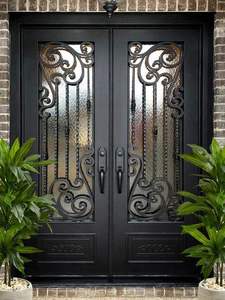
Absolutely. As an integrated manufacturer of aluminium casement windows, sliding doors, entrance pivot doors, and rolling shutters, we combine all your project fenestration requirements into a single consolidated shipment, significantly reducing ocean freight and customs brokerage fees.
QHow are onsite installers supported during the installation phase?
We supply comprehensive, bilingual (English/Japanese) installation blueprints, 3D exploded assembly diagrams, and precise sub-frame anchoring details. Our engineering technical team remains accessible via live video link during Japanese working hours for real-time site guidance.
Engineer Your Next Nagoya Project with Precision Fenestration
Whether you require custom casement shop drawings for a residential villa in Showa Ward or a comprehensive high-performance package for a commercial development in Meieki, our engineering team is ready to assist.