Engineered Glazing Systems & Core Assemblies
Precision-extruded architectural solutions optimized for contemporary kitchen spatial zoning, sound dampening, micro-ventilation, and high thermal efficiency across residential and hospitality builds.
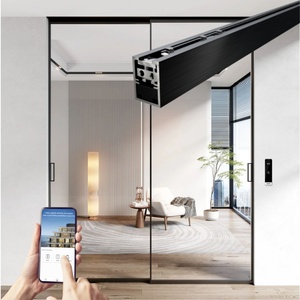
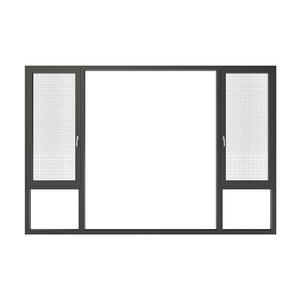
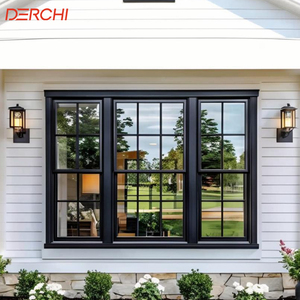
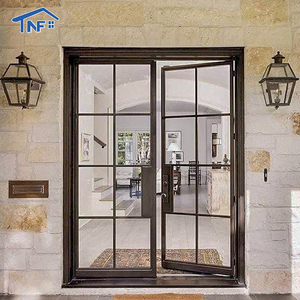
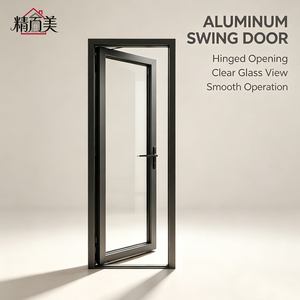
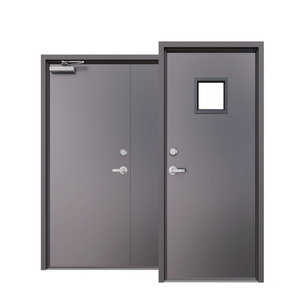
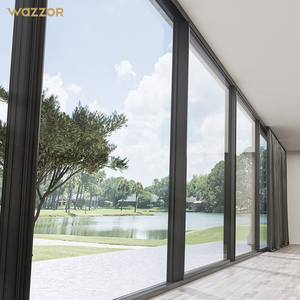
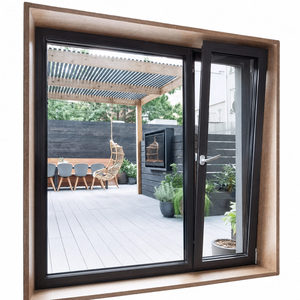
Strategic Overview: Hungarian Market Dynamics for Kitchen Glazing Systems
The contemporary Hungarian residential construction and luxury remodeling ecosystem—spanning Budapest's District II, XII, and V historic conversions to Lake Balaton contemporary second-home estates—is experiencing an unprecedented shift toward minimalist, ultra-high-performance aluminium fenestration. Hungarian architects (Építész Kamara registered) and structural engineers face distinct dual-challenge requirements: fulfilling rigorous European Union energy efficiency parameters under 7/2006. (V. 24.) TNM rendelet and the updated ÉKM rendelet regarding built structures, while executing seamless spatial connections between active cooking zones, adjacent living salons, and outdoor summer terraces.
Kitchen sliding systems serve as crucial thermodynamic and acoustic barriers within the home. In Hungarian urban lofts and suburban passive house constructions alike, culinary areas produce transient humidity spikes, airborne grease, and olfactory shifts that must be structurally segregated from the wider living space without impairing natural daylight transmission. As a premier original equipment manufacturer (OEM) and volume exporter with an expansive 180,000 m² automated production facility, DERCHI delivers custom engineered extrusion systems to Hungarian contractors, fabricators, and architectural specifiers seeking direct factory partnerships without middleman markups.
| Performance Vector | EU Harmonized Test Standard | DERCHI Factory Specification Value | Relevance to Hungarian Projects |
|---|---|---|---|
| Thermal Transmittance (Uw) | EN ISO 10077-1 / EN ISO 10077-2 | Down to 0.82 W/(m²·K) with Triple Glazing | Surpasses Hungarian national nZEB mandates for exterior-facing terrace culinary portals. |
| Air Permeability | EN 12207 | Class 4 (600 Pa test pressure) | Eliminates convective draft along windy Danube corridors and high-exposure Alföld developments. |
| Watertightness | EN 12208 | Class E1200 (1200 Pa sustained exposure) | Guarantees zero infiltration during severe Central European summer cloudbursts and snowmelt cycles. |
| Acoustic Decoupling | EN ISO 717-1 | Rw = 36 dB to 44 dB (Acoustic PVB configurations) | Isolates high-decibel extractor hoods and dishwasher cycles from residential study and sleep zones. |
| Structural Deflection | EN 12210 | Class C5 (Wind load resistance up to 2000 Pa) | Enables floor-to-ceiling oversized sashes up to 3,400 mm in height without sash torsion. |
DERCHI's engineering core leverages standard 6063-T6 architectural grade aluminium alloys, precision CNC mitering, and thermally broken polyamide (PA66 GF25) extrusion cavities. These assemblies prevent internal condensation even when high relative humidity within Hungarian kitchens encounters ambient winter outdoor temperatures of -15°C.
Localized Architectural Applications Across Hungary
Targeted system configurations mapped specifically to the distinctive architectural typologies and physical environments of the Carpathian Basin.
Historic Budapest Loft Conversions
In high-ceiling civic properties (polgári lakások) located across Districts V, VI, and VII, interior kitchen sliding doors with ultra-narrow profiles (20 mm sightlines) allow spatial zoning between contemporary open-plan kitchen islands and formal dining salons.
Ceiling-suspended top-hung sliding systems eliminate the need for surface-mounted floor tracks, preserving protected heritage herringbone parquet floors while guaranteeing silent transit through German-engineered magnetic damped trolleys.
Balaton & Velence Summer Residences
Second homes around Lake Balaton demand seamless transition from the indoor cooking island to outdoor open-air pergolas. In these humid, microclimate-driven areas, exterior sliding assemblies require marine-grade anodized or Qualicoat Class 2 powder finishes (70–80 micron thickness).
Our heavy-duty Lift & Slide (Hebe-Schiebe) kitchen pocket doors deliver absolute sealing against intense summer downpours, while fully disappearing into wall cavities to provide expansive 100% clear walkthrough openings.
Passive Suburban Villas (Buda Hills & Debrecen)
New residential builds in Buda Hills, Szentendre, and Debrecen targeting A+ energy ratings require integrated thermal breaks utilizing multi-chamber technoform nylon barriers and triple Low-E argon-filled units with warm-edge spacers.
These systems isolate winter kitchen ventilation losses, minimizing domestic central heating loads while resisting extreme cyclic thermal expansion during rapid seasonal temperature variations.
Architectural Specification Trends Shaping Hungarian Fenestration
Contractors, procurement managers, and window fabricators throughout Hungary face transforming market criteria driven by stricter enforcement of European sustainability mandates and elevated aesthetic demands:
1. Ghost Hardware & Zero-Threshold Universal Accessibility: Hungarian luxury multi-generational homes increasingly specify flush, floor-level threshold systems matching the guidelines of European standard DIN 18040-1/2. Standard exterior sliding rails present trip hazards and disrupt architectural cohesion between kitchen tile flooring and exterior stone pavers. DERCHI incorporates submerged drainage channels with concealed micro-perforated stainless-steel grills that evacuate up to 180 liters/min of water while keeping door tracks completely level with finished floor surfaces.
2. Smart Home Integration & Contactless Automation: Modern kitchen management requires hands-free transit when handling cooking vessels. High-end developments in Győr and Budapest are integrating DERCHI's proprietary electromagnetic linear-motor slide operators, which integrate directly into KNX and Loxone smart building management platforms, operating via hidden radar, floor sensors, or voice commands with quiet decibel thresholds below 35 dB.
3. Monolithic Powder Coatings vs. Anodized Finishes: Standard white and raw aluminum tones have been largely superseded in Central European interior design palettes. Over 85% of Hungarian architectural orders specify textured DB 703 (iron mica metallic), RAL 9005 deep matte jet black, or custom warm bronze anodized surface finishes that visually anchor the glazing frame into kitchen cabinetry, sintered stone countertops, and exposed architectural concrete.
DERCHI: Structural Superiority & Global Export Logistics
Recognized as an industry-leading manufacturing powerhouse, Guangdong Dejiyoupin Doors and Windows Co., Ltd. (DERCHI) combines industrial-scale efficiency with bespoke architectural craftsmanship.
180,000 m² Advanced Production Base
Operating out of Foshan, the epicenter of global aluminum technology, our 600+ skilled personnel run fully automated European 5-axis CNC processing lines, automated glass processing plants, and climate-controlled assembly lines delivering millimeter precision across large-format contracts.
Comprehensive CAD/BIM Door Schedules
We eliminate installation guesswork for Hungarian project directors. Our in-house technical department supplies exhaustive structural wind-load engineering, section details, DWG/DXF drawings, and BIM assets configured directly to your opening specifications prior to metal fabrication.
Secure European Intermodal Transit
Every shipment is packed in customized non-fumigation plywood crates with moisture-absorbent desiccants and edge-protective foam corners. We deliver via regular sea-rail freight corridors into European distribution hubs and directly to job sites across Budapest, Miskolc, and Szeged.
Hungarian B2B Buyer & Specifier FAQs
Direct answers covering certifications, tax compliance, hardware interchangeability, and shipping logistics for Hungarian project contracts.
Q: Do DERCHI sliding systems carry full CE conformity for Hungarian building control inspection?
Yes. All DERCHI export assemblies conform to the European Construction Products Regulation (CPR 305/2011/EU) and EN 14351-1. Each order is delivered with complete Declarations of Performance (DoP), factory test records, and required technical files for swift approval by local ÉMI (Építésügyi Minőségellenőrző Innovációs Nonprofit Kft.) inspectors.
Q: What is the standard factory lead time and logistics routing into Hungary?
Custom structural production typically requires 20 to 30 working days from final approved CAD shop drawings. Maritime container freight from Shenzhen/Guangzhou ports to European transit gateways (such as Koper or Hamburg) followed by direct rail/road transport into Hungary takes approximately 28 to 35 days, providing transparent end-to-end tracking.
Q: Can DERCHI profiles interface with European hardware standards (Roto, Siegenia, Hoppe)?
Absolutely. While we provide commercial-grade factory hardware tested up to 100,000 continuous cycle open-close operations, our aluminium extrusions incorporate standard European Euro-groove dimensions, ensuring complete plug-and-play compatibility with European hardware, smart digital locks, and local access systems.
Q: How do Hungarian contractors manage import VAT (ÁFA) and customs clearances?
For commercial entities holding a valid Hungarian EU VAT identification number, orders can be coordinated under CIF (Koper/Budapest) or complete DDP (Delivered Duty Paid) commercial agreements, where local freight forwarders manage customs clearance procedures efficiently without halting active construction timetables.
Request a Factory-Direct Technical Quotation & Sample Kit
Accelerate your project schedule with factory-direct pricing, custom CAD shop drawings, and direct engineering support aligned with Hungarian working hours. Let our specialized engineering team calculate thermal U-values, wind-load ratings, and profile solutions for your door schedule.
Send an Inquiry