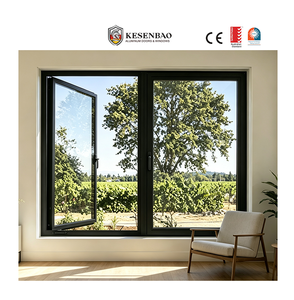
Factory Direct Supply Matrix
Certified Window & Door Configurations for Turkish Architectural Projects
Engineered in our 180,000 m² Foshan fabrication hub, every system satisfies stringent Turkish building thermal metrics (TS 825) and European CE mechanical tolerances. Explore the core structural configurations deployed across Mediterranean resorts, Istanbul high-rises, and Anatolian commercial centres.
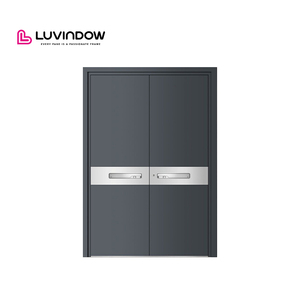
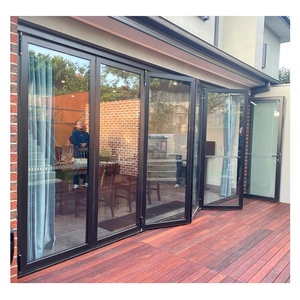
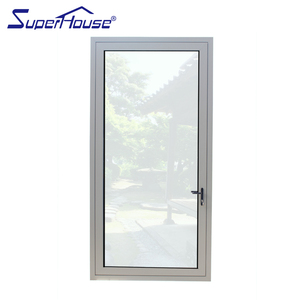
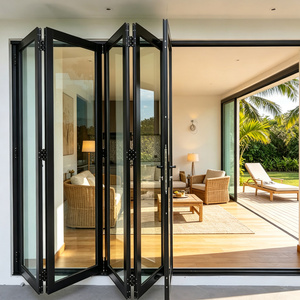
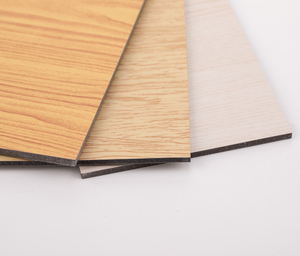
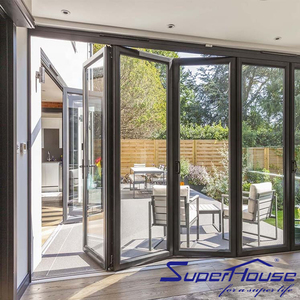
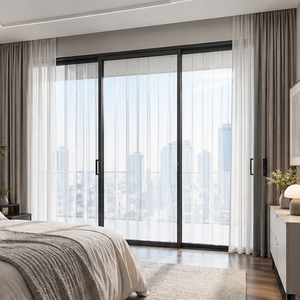
Technical Whitepaper: Turkish Fenestration Market
Engineering Aluminum Sash Windows for Turkey's Diverse Climatic & Seismic Geography
Procuring architectural fenestration for the Republic of Turkey requires bridging European performance directives (EN harmonization) with local microclimates—ranging from Mediterranean marine salinity to Central Anatolian freeze-thaw cycles and high-risk seismic fault zones.
Seismic Drift & Structural Integrity
Turkey sits astride the North Anatolian and East Anatolian tectonic fault systems. Under Turkey Building Earthquake Regulation (TBDY 2018), building envelopes must absorb inter-story lateral displacement without frame failure or glass blowout. Our sash frames integrate floating anchor brackets, perimeter EPDM seismic expansion joints, and corner jointing mechanically crimped at 45° with injected two-component structural polyurethanes.
This design prevents corner shearing during seismic sway while preserving sash operation and air seals.
TS 825 Thermal Insulation Compliance
The Turkish thermal building standard divides the country into five regional climatic zones. Projects in Istanbul (Zone II) demand different thermal barrier depths than Ankara (Zone III) or Erzurum (Zone V). We engineer multi-cavity thermal barrier extrusions utilizing polyamide PA66 GF25 strips up to 34mm in depth.
Combined with soft-coat Low-E argon-filled glazing units, our aluminum sash profiles achieve overall window U-values (Uw) down to 0.82 W/(m²·K), effortlessly exceeding Class A energy ratings.
Aegean & Mediterranean Salt-Mist Armor
Coastal villas from Çeşme to Bodrum and Antalya face relentless ultraviolet radiation and high marine air salinity. Standard architectural coatings degrade rapidly under these conditions. Our factory utilizes Qualicoat Class 2 fluorocarbon (PVDF) electrostatic powder coatings and marine-grade anodizing (up to 25 microns).
Tested for over 3,000 hours in neutral salt spray (NSS) environments according to ISO 9227, our sash assemblies deliver zero blistering, peeling, or chalking over multi-decade lifespans.
Engineering Specifications
Architectural Performance Matrix: European & Turkish Standards
Our manufacturing processes strictly comply with European Harmonized Standards (EN 14351-1) and are completely recognized by TSE (Türk Standardları Enstitüsü) audits for commercial and residential tenders.
| Performance Characteristic | Governing Standard | Factory Test Rating | Application Relevance for Turkish Builders |
|---|---|---|---|
| Thermal Transmittance (Uw) | TS EN ISO 10077-1 / TS 825 | 0.82 - 1.35 W/(m²·K) | Complies with Zone II, III, and IV thermal building codes, qualifying projects for Green Building (LEED / BREEAM) incentives. |
| Air Permeability | TS EN 12207 | Class 4 (Highest, 600 Pa) | Critical for coastal squalls along the Black Sea and high-pressure differentials across Bosphorus waterfront towers. |
| Watertightness Under Pressure | TS EN 12208 | Class E900 - E1200 | Multi-chamber continuous vulcanized EPDM center gasket prevents storm water ingress during severe Mediterranean rainfall. |
| Wind Load Structural Resistance | TS EN 12210 | Class C5 (2000 Pa test, 3000 Pa safety) | Resists high wind shear in coastal Marmara, Aegean capes, and elevated penthouses without frame deflection exceeding L/300. |
| Acoustic Decibel Attenuation | TS EN ISO 717-1 | Rw 38 dB to 46 dB | Heavy sound-dampening acoustic PVB laminates isolate intense highway, airport, and central urban traffic in Istanbul and Izmir. |
| Burglar & Intrusion Resistance | EN 1627 - EN 1630 | RC2 / RC3 Certified | Perimeter multipoint locking mushroom cams, anti-lift pins, and reinforced steel-backed lock mortises protect ground-level estates. |
Localized Application Dynamics
Tailored Fenestration Solutions Across Turkey's Building Typologies
Different architectural archetypes in Turkey demand custom profile geometries and hardware configurations. Below is how our factory addresses four critical market segments.
Istanbul Kentsel Dönüşüm (Urban Renewal)
Massive renewal projects across Kadıköy, Nişantaşı, and Beşiktaş require fast modular installation, superior acoustic insulation against transit noise, and sleek sightlines that maximize natural interior daylight.
Acoustic Glazing 42dB
Slim 45mm Sightlines
Rapid Hook Installation
Our sash systems feature pre-slotted subframes that allow general contractors to seal structural envelopes weeks ahead of schedule.
Bodrum & Mediterranean Luxury Waterfronts
Contemporary flat-roof villas in Yalıkavak and Göcek demand oversized glass sash panels that blur interior living spaces with outdoor terraces while resisting intense maritime UV and saline dew point attacks.
PVDF Anti-Corrosion
Low Solar Factor Glazing
Integrated Balustrades
Fitted with heavy-duty stainless steel counterbalance pulleys and frictionless nylon rollers for effortless daily sliding and ventilation.
Ankara Diplomatic & Corporate Headquarters
Governmental and commercial complexes in Çankaya require rigorous thermal isolation against frigid continental winters (-18°C) paired with anti-ballistic and high-security structural framing.
Triple Glazed Argon 0.85 Uw
RC3 Anti-Burglary
Thermal Barrier 34mm
Utilizing high-tensile 6063-T6 virgin aluminum alloy billets with verified Wall Thickness ≥ 2.0 mm according to TS EN 12020-2.
Historic Bosphorus Yalı Restoration
Restoring historic wooden mansions along the Bosphorus requires strict aesthetic fidelity. Modern PVC looks artificial, while raw timber deteriorates rapidly in damp marine environments.
Timber-Look Powder Coat
Concealed Hardware
Authentic Putty Profiles
Our Italian-patented 3D wood-grain sublimation finishes replicate walnut, oak, and teak while guaranteeing 50 years of maintenance-free aluminum resilience.
Procurement Trends & Macroeconomics
Navigating Fenestration Procurement & Logistics in Turkey
Strategic supply chain insights for Turkish procurement directors, quantity surveyors, and project developers seeking direct Chinese factory partnerships.
Direct Ocean Freight Routes to Turkish Ports
Our Foshan factory works directly with premier shipping alliances (COSCO, Maersk, MSC) offering direct container bookings from Guangzhou / Shenzhen to key Turkish ports: Ambarlı (Istanbul), Alsancak / Nemrut (Izmir), and MIP (Mersin). Transit times average 24 to 28 days.
Every sash window crate is vacuum-sealed with silica desiccant and secured within heavy fumigated steel-frame plywood crates to eliminate marine humidity moisture corrosion.
Customs Formalities & ATR / CE Documentation
While trade between China and Turkey falls under third-country import regimes (subject to standard customs duties and İlave Gümrük Vergisi - IGV on certain extrusion profiles), procuring fully fabricated, CE-marked finished sash units provides clear tariff classification advantages under HS Code 7610.10.
Our dedicated export department provides mill test certificates, CE Declarations of Performance (DoP), and sanitized Bill of Lading documentation to ensure frictionless customs clearance in Turkey.
Cost Efficiency vs. European Systems
Turkish developers frequently specify premium German or Italian extrusion systems like Schüco, Reynaers, or Cortizo. However, volatile exchange rates (EUR/TRY) often push these systems out of budget during value-engineering phases.
Our OEM/ODM manufacturing capability delivers equal extrusion wall thicknesses (6063-T6), identical European hardware integration (Roto, Siegenia, G-U), and equivalent thermal ratings at 30% to 45% lower total landed cost, protecting project margins.
Procurement Clarity
Frequently Asked Questions: Sourcing Windows from Our Factory to Turkey
Direct answers to the most common technical, logistics, and compliance questions raised by Turkish architects, general contractors, and procurement professionals.
Do your aluminum sash windows comply with Turkish building codes and TSE regulations?
Yes. All of our window and door assemblies are engineered under European harmonized standard EN 14351-1 and hold verified CE Certification. Because Turkish construction regulations (Yapı Malzemeleri Yönetmeliği) mirror the EU Construction Products Regulation (CPR 305/2011/EU), our factory documentation, Declarations of Performance (DoP), and laboratory test data are fully accepted by Turkish municipal building controls, structural auditors, and insurance underwriters.
How do you handle CAD drawings and architectural approvals prior to production?
We do not cut a single aluminum extrusion until our Turkish clients formally sign off on shop drawings. Once you supply your door and window schedule or architectural CAD elevations (.dwg / .pdf), our specialized façade engineering team generates complete 1:1 scale shop drawings detailing profile cross-sections, thermal barrier positions, glass rebate depths, sill drainage weeps, wall fixing brackets, and anchor reveals for free.
What hardware brands are integrated into your sash and sliding assemblies?
To ensure lifelong reliability, we integrate world-class hardware systems according to project specification. Standard packages include top-tier German brands (Siegenia, Roto Frank, Hoppe, G-U) or our proven heavy-duty in-house stainless steel balancing and multipoint gearing mechanisms. All hardware undergoes 50,000-cycle operational testing and Grade 5 anti-corrosion surface treatments.
How are the windows packaged to avoid damage during ocean transit to Turkey?
Export packaging is critical for long-distance maritime freight. Each sash frame is wrapped in anti-scratch protective PE film, cushioned with 10mm high-density pearl cotton corner guards, sealed in multi-layer corrugated wrap, and crated in fully enclosed, IPPC-certified fumigated plywood cases with internal steel band strapping. Fragile glass units receive dedicated timber A-frames with shock-absorbing rubber padding.
What is the standard production and delivery lead time for an order to Turkey?
Standard manufacturing lead time is 25 to 35 calendar days following shop drawing sign-off and deposit receipt (custom extrusion colors or specialized glass configurations may require up to 40 days). Direct ocean freight transit from Shenzhen/Guangzhou ports to Istanbul (Ambarlı) or Izmir takes approximately 24 to 28 days. In total, expect goods delivered to your Turkish site within 60 to 70 days from initial approval.
Can you manufacture windows to match custom RAL colors and woodgrain finishes?
Yes. Our in-house electrostatic powder coating line supports the entire international RAL Classic color chart (with RAL 7016 Anthracite Grey, RAL 9005 Jet Black, and RAL 9016 Traffic White being extremely popular for modern Turkish residential projects). We also provide metallic textured finishes, anodized finishes (15 to 25 microns), and 3D wood-grain sublimation transfers that carry a 15-year colorfastness guarantee.
Request Your Custom Architectural Schedule & Technical Catalog
Whether you are developing a boutique villa enclave in Bodrum, a commercial high-rise in Maslak, Istanbul, or an urban renewal residential project in Ankara, our structural engineering team will review your elevations and provide precision CAD drawings and factory-direct pricing within 24 hours.