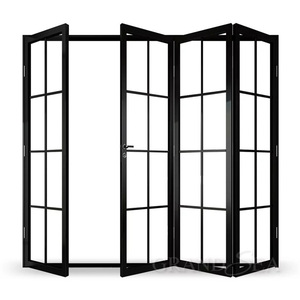
180,000 m²
Automated Production Base
25+
Years Engineering Experience
CE & AS2047
Dual Global Certification
600+
Skilled Technicians & Staff
Product Showcase
Engineered Aluminum Cellar & Architectural Enclosure Systems
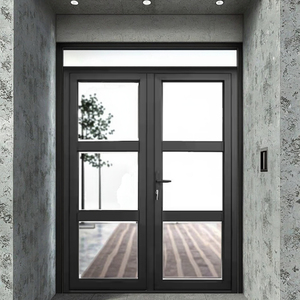
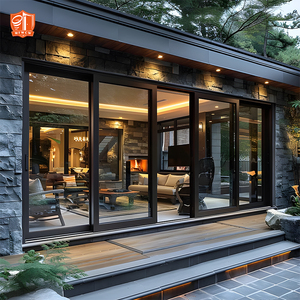
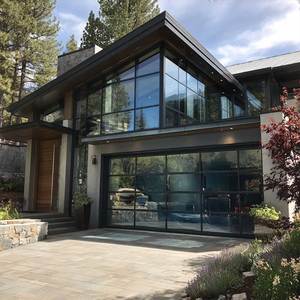
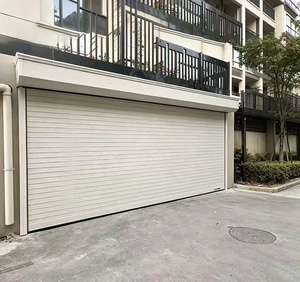
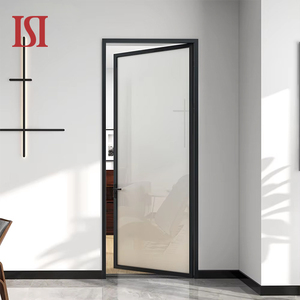
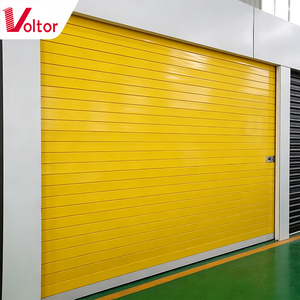
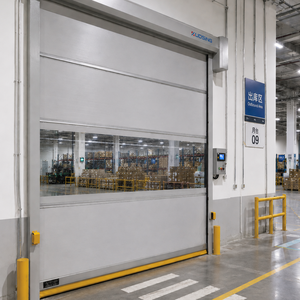
From heavy flush sub-grade walk-over hatchways to thermally insulated exterior cellar exits, examine our precision-built architectural aluminum systems optimized for moisture defiance, maximum load capacity, and anti-corrosive security.
Industry Technical White Paper
Engineering Superiority: Why Aluminum Alloys Redefine Cellar Door Longevity
Architectural cellar entrances, walkout basements, and underground vault access portals present one of the most mechanically and environmentally rigorous challenges in modern construction. Sub-grade installations are inherently subjected to relentless subterranean hydrostatic vapor, soil-induced electrochemical acidity, ponding rainwater, and severe thermal divergence between interior subterranean climate reserves and external atmospheric extremes.
For decades, conventional structural steel and timber compositions dominated low-grade entrance specifications. However, steel cellar doors are notoriously susceptible to progressive galvanic oxidation, rust perforation around sill channels, weld disintegration, and excessive deadweight that stresses lifting torsion springs and hydraulic struts. Timber alternatives warp under relative humidity swings, harbor fungal rot, and fail mandatory class-rated air leakage certifications. As China's premier manufacturer and exporter of structural architectural systems, DERCHI (Guangdong Dejiyoupin Doors and Windows Co., Ltd.) has pioneered the paradigm shift toward heavy-gauge extruded 6063-T5/T6 structural aluminum alloys.
By leveraging aeronautical-grade extrusion matrices, our aluminum cellar doors deliver an exceptional strength-to-weight profile, absolute zero-corrosion integrity, integrated dual-tier EPDM weather sealing, and polymetric thermal barrier interruptions. Whether deployed as sloping areaway hatches, horizontal walk-over flush glass vault lights, or exterior walkout casement assemblies, aluminum formulations guarantee a 50+ year operational design lifespan with virtually non-existent maintenance overhead.
Electrochemical Passivation
Unlike steel which degrades upon scratch exposure, aluminum creates an instantaneous, microscopic aluminum oxide passivation layer. Augmented by Qualicoat-certified 60-80μm fluorocarbon powder coating, it withstands acidic soil exposure and coastal salt spray exceeding ASTM B117 standards.
Polyamide Thermal Barriers
Condensation is the prime destroyer of subterranean wine collections and basement livability. Our cellar assemblies utilize German-engineered Technoform polyamide (PA66GF25) thermal breaks, driving overall system thermal transmittance to as low as UD ≤ 1.1 W/(m²·K).
Intrusion Resistance (RC2/RC3)
Cellar entries often serve as undetected soft spots for burglars. DERCHI integrates reinforced 3.0mm wall thickness aluminum profiles, internally concealed multi-point espagnolette locking systems, and heavy-duty tamper-proof gas lift cylinders tested against forced mechanical manipulation.
Market Evolution
Cellar Door Technology & Global Procurement Trends
Cross-border procurement data indicates a structural shift in how architects, high-volume real estate developers, and building material distributors source sub-grade enclosure systems. Below are the key technological trajectories reshaping global demand through 2030.
| Performance Vector | Conventional Steel Cellar Doors | Wood / Composite Systems | DERCHI Engineered Aluminum |
|---|---|---|---|
| Corrosion Resistance | Poor; Flakes and rusts rapidly at ground level | Susceptible to rot, moss, and termite infestation | Immune; 100% rustproof with 6063-T5 alloy |
| Weight / Operational Force | Excessive (requires bulky, high-stress springs) | Unpredictable deadweight due to moisture absorption | Optimized; Smooth featherlight gas-strut action |
| Thermal Performance (U-Value) | Uninsulated (Severe condensation and heat sink) | Moderate (U ≈ 2.4 - 3.2 W/m²K) | Advanced Polyamide Break (U ≤ 1.1 - 1.4 W/m²K) |
| Watertight Integrity | Overlap lip seals; Frequent pooling leaks | Warping gaps break perimeter seal contact | Continuous Automotive-Grade EPDM Gaskets |
| Aesthetic Integration | Industrial, utilitarian, visible weld marks | Rustic, heavy maintenance requirement | Flush architectural finish; Minimalist narrow sightlines |
1. Smart Building & Actuated Ingress
Direct integration with home automation protocols (KNX, Zigbee, Crestron). Procurement requests for electric motorized linear actuators, integrated moisture rain sensors, and smartphone biometric recognition have surged by 42% over the last 24 months, particularly for prestige underground cellars.
2. Walk-On Structural Glass Vaults
Modern luxury homes require cellar doors that function as horizontal glass floors on patios, gardens, and pool decks. Multi-laminated anti-slip structural insulated glass embedded in heavy thermal-broken aluminum sub-frames creates invisible portals that flood cellars with natural daylight without sacrificing floor space.
3. Carbon Neutrality & LEED Compliance
Strict energy efficiency building mandates such as Germany’s GEG, UK Building Regs Part L, and California Title 24 make uninsulated access hatches obsolete. Low-carbon recycled aluminum profiles coupled with certified low U-values allow developers to secure maximum green building credits.
Guangdong Dejiyoupin Manufacturing
The DERCHI Manufacturing Benchmark in Foshan, China
Headquartered in Foshan—the global epicentre of advanced architectural aluminum extrusion—Guangdong Dejiyoupin Doors and Windows Co., Ltd. (DERCHI) operates over 180,000 square meters of smart manufacturing facilities. Ranked consistently among the Top 10 premium door and window brands in China, we have bridged the gap between Chinese factory pricing and European precision engineering.
- Schüco Technical Standard Partner: Selected by UK Schüco partners for high-profile multi-villa projects.
- Rigorous Global Testing: Fully certified to CE (EN 14351-1), ISO 9001, and Australia AS 2047 N6 cyclonic testing.
- Comprehensive OEM/ODM Engineering: 30+ patented extrusion designs, 100% customized CAD shop drawings.
- Seamless Global Supply: Protective sea-freight packaging directly routed to Felixstowe, Rotterdam, Hamburg, and US West/East Coast ports.

Procurement Intelligence
Frequently Asked Questions for Importers & Contractors
Key technical, regulatory, and logistics answers compiled by our chief structural engineers to assist developers, general contractors, and hardware importers during project planning.
What aluminum alloy grade and profile thickness do you use for cellar doors?
All DERCHI structural cellar frame profiles and hatch covers are extruded from prime-billet 6063-T5 or 6061-T6 architectural grade aluminum alloy. Primary wall thicknesses range from 2.5mm to 4.0mm depending on spanning requirements, surpassing common light-commercial gauges to prevent torsional sagging under dynamic loading or human walkover weight.
How do your exterior cellar doors handle severe water ponding and drainage?
Our sloped and flush cellar entrance systems incorporate integrated perimeter gutter extrusions with internal hidden weep channels and barbed multi-lip EPDM automotive seals. Surface water is funneled away from the structural threshold into internal run-off spouts connected directly to site foundation drainage or sump systems, preventing pooling even during 100mm/hr cloudburst events.
Can you produce walk-on glass horizontal cellar doors that meet building codes?
Yes. Our structural glazed cellar hatches utilize triple or quadruple laminated, toughened safety glass configurations (e.g., 10mm Toughened + 1.52mm SentryGlas PVB + 10mm Toughened + 16Ar Warm Edge + 8mm Low-E), certified to support live loads from 2.5 kN/m² to 5.0 kN/m² in accordance with BS EN 1991 / ASTM E1300 standards, featuring optional ceramic frit anti-slip traction surfacing.
What hardware mechanisms ensure smooth manual lifting of heavy leaves?
Every hinged hatch is calculated using customized German Suspa or Bansbach gas-pressurized nitrogen struts paired with marine-grade 316 stainless steel heavy-duty pivot hinges. This counterbalances 90% of the leaf’s gravitational mass, allowing single-hand operation requiring less than 25 Newtons of manual lifting force, compliant with universal accessibility and emergency egress guidelines.
Do your door systems comply with European CE and US fire egress standards?
Yes. DERCHI doors carry full CE marking under EN 14351-1 for external pedestrian door assemblies. For subterranean fire escapes, we engineer specialized insulated units tested up to EI30 and EI60 classifications under EN 1634-1 / UL 10C, equipped with panic crash hardware and hold-open release mechanisms for rapid emergency egress.
What is the typical production lead time and export sea packaging standard?
Custom engineered orders typically require 25 to 35 business days from final CAD drawing approval. All components are packed in fully enclosed non-coniferous fumigated plywood crates lined with waterproof membrane films, high-density edge foam protectors, and desiccants to eliminate dynamic container transit friction and salt-air moisture exposure during maritime shipment.
Architectural Consultation & Custom Sizing Quotations
Initiate your B2B sourcing conversation directly with our Foshan engineering division. Send your door schedules, CAD sections, or site elevation schematics to receive comprehensive shop drawings and structural quotation proposals within 24 hours.
Get Catalog