Certified Architectural ACP & Aluminium Door Systems
Explore our export-certified door panels engineered with high-tensile alloy skins, non-combustible mineral/polyethylene cores, and PVDF nanotech coatings tested to international standards.
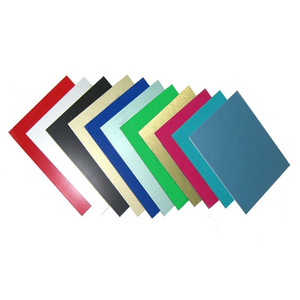
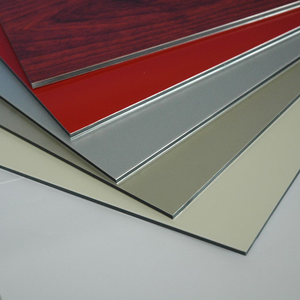
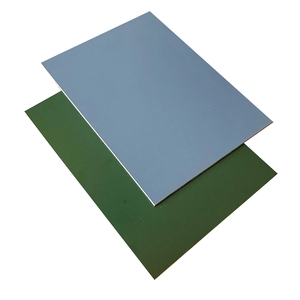
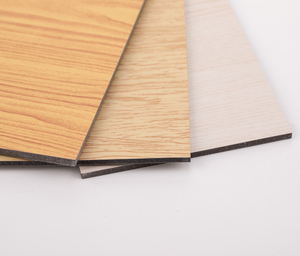
1. Structural Composition & Material Science of Modern Aluminium ACP Doors
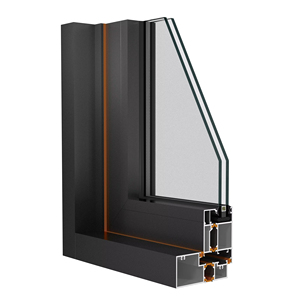
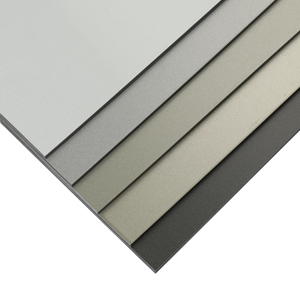
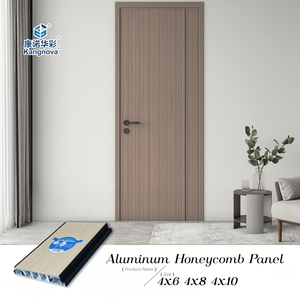
Aluminium Composite Panel (ACP) doors represent a high-performance material revolution in both interior commercial fit-outs and external architectural envelope design. Fundamentally engineered as a tri-layer sandwich composite, the structure consists of two high-yield aluminium alloy skins (typically 3003-H24, 5005-H34, or structural 5052-H32 alloys ranging from 0.21mm to 0.50mm in skin thickness) thermo-bonded under precise temperature and pressure regimes to an extruded thermoplastic or mineral-filled fire-retardant core.
Core Matrix Variations: PE Core vs. Fire-Retardant B1 vs. Non-Combustible A2
The core matrix determines not only structural deflection resistance under dynamic wind loads (EN 12210 / AS 4055) but also determines regulatory compliance for global architectural applications:
Standard LDPE Polyethylene Cores
Manufactured from low-density virgin or recycled polymer resin. Highly ductile, ultra-lightweight, and 100% waterproof. Best suited for interior architectural doors, bathroom doors, residential cabinetry, and modular interior partitions where fire-break compartmentalization is not code-mandated.
Class B1 Flame-Retardant (FR) Cores
Compounded with halogen-free magnesium hydroxide [Mg(OH)₂] or aluminium trihydrate [ATH] additives blended into the polymer chain. Achieves self-extinguishing capabilities without molten dripping, compliant with EN 13501-1 Class B-s1, d0 fire safety regulations for mid-rise facades and hotel entrances.
Class A2 Incombustible Mineral Cores
Composed of over 90% non-combustible inorganic mineral binder with high mechanical shear strength. Under direct flame exposure above 1000°C, it produces virtually zero smoke and toxic emissions, fulfilling rigorous European BS EN 1634-1 and Australian AS1530 fire code compliance for public infrastructure.
Surface Chemistry: Kynar 500 PVDF vs. Nano-Hydrophobic FEVE Systems
The protective exterior coating of China-manufactured export ACP doors utilizes continuous coil-coating technology. Commercial grade doors destined for extreme marine conditions, coastal Middle Eastern developments, or sub-zero Nordic environments receive a multi-stage 70% fluoropolymer resin system (PVDF, conforming to AAMA 2605 specifications). This molecular coating shields against UV degradation, acid precipitation, airborne chlorides, and chalking, maintaining original chroma and specular gloss levels for 20 to 30 years without resurfacing.
2. Global Procurement & Technological Trends in ACP Door Systems (2025–2030)
As international energy conservation codes tighten across the European Union (Energy Performance of Buildings Directive - EPBD recast), North America (ASHRAE 90.1), and Australasia (National Construction Code 2022), the procurement paradigm for architectural doors has fundamentally transitioned from superficial aesthetics to verifiable thermodynamic, acoustic, and circular lifecycle performance.
Trend 1: Ultra-Low U-Value Hybrid Profiles
Procurement mandates require complete door assembly thermal transmittance (UD) under 1.1 W/(m²·K). Modern ACP doors are increasingly integrated with multi-chamber PA66 GF25 thermal breaks, aerogel or vacuum insulation panel (VIP) core infills, and quadruple EPDM perimeter gaskets.
Trend 2: Prefabricated Modular & Offsite Fit
General contractors are migrating toward "plug-and-play" cassette-style subframe systems. Door leaves arrived pre-hung in their aluminium structural sub-bucks with factory-routed multipoint hardware, reducing on-site installation labour and perimeter air-leakage errors by up to 65%.
Trend 3: Smart Access & Bio-Geometric Concealment
Architects are embracing 3-metre+ oversized monolithic ACP pivot entrances featuring hidden pivot hinges with integrated dynamic hydraulic dampening, perimeter concealed drop-seals, and motor-driven multipoint magnetic locks synchronized with building management systems (BMS).
3. Architectural Engineering Specification Matrix: ACP Doors vs. Conventional Doors
When selecting door solutions for commercial mixed-use complexes, residential developments, and educational facilities, specifiers must balance weight, deflection resistance, lifespan, and lifecycle maintenance costs.
| Performance Metric | DERCHI Architectural ACP Doors | Standard Solid Wood Doors | Cast Aluminium Entry Doors | Standard Steel Security Doors |
|---|---|---|---|---|
| Areal Weight (kg/m²) | 12.5 – 18.0 kg/m² (Ultra-Light) | 28.0 – 45.0 kg/m² (Heavy) | 35.0 – 60.0 kg/m² (Very Heavy) | 32.0 – 50.0 kg/m² (Heavy) |
| Dimensional Stability | Zero swelling; linear expansion < 0.024 mm/m·°C | High hygroscopic expansion & warp risk | High stability; sensitive to thermal bridge | Prone to thermal expansion warping |
| Corrosion & Salt Spray Resistance | > 4,000 hrs ASTM B117 (Marine Grade) | Prone to rotting, fungus, and peeling | > 3,000 hrs with baked fluorocarbon | Rust risk if galvanized seal is scratched |
| Fire Reaction Rating | EN 13501-1 Class A2-s1, d0 or B1 | Class D or C (Requires chemical treatment) | Non-combustible metal skin | Class A1 / A2 with rockwool infill |
| Acoustic Attenuation (Rw) | 32 dB – 42 dB (With acoustic core) | 26 dB – 34 dB | 30 dB – 38 dB | 30 dB – 40 dB |
| Design & Finish Flexibility | PVDF, FEVE, 3D Timber Grain, Anodized, Brush | Natural wood stain or lacquer paint | 3D relief casting, metallic patinas | Powder coat, vinyl wood wrapping |
| Lifespan & Maintenance | 30+ Years; Zero painting required | 7–15 Years; Periodic sanding & sealing | 30+ Years; High durability | 15–20 Years; Touch-up against rust |
4. Why Partner with Guangdong Dejiyoupin (DERCHI): Direct Factory Advantages
Navigating the global procurement landscape requires an export partner with verifiable engineering discipline, uncompromised raw material sourcing, and end-to-end supply chain transparency. As a premier Chinese manufacturer with 25+ years of specialized fenestration fabrication, DERCHI brings unmatched production power:
Full In-House CAD/BIM Drafting
Our 40+ engineering design staff generate free, precision CAD shop drawings, fabrication sections, and BIM models tailored to your architect's door schedule within 48 hours of initial inquiry.
Automated CNC 5-Axis Milling
German-imported 5-axis CNC machining centres ensure lock mortises, hinge cutouts, drop-seal recesses, and architectural pull handles meet ultra-tight tolerances (< ±0.3mm).
Stringent Tier-1 Supply Provenance
Trusted as a supplier for UK multi-villa developments and partners of established European systems like German Schüco. We maintain an uncompromising quality regime from ingots to container loading.
From our 180,000 square-metre industrial base, our streamlined export division handles project palletization with heavy-duty fumigated wooden crates, waterproof vacuum-sealed shrink-wrapping, and corner-edge impact guards designed to survive multi-modal sea freight to Felixstowe, Rotterdam, Hamburg, Jebel Ali, Sydney, and Long Beach.
Frequently Asked Questions for Sourcing ACP Doors
Direct technical answers addressing the critical mechanical, certification, and commercial variables encountered by professional procurement officers and facade engineers.
Delamination resistance is governed by the adhesive peel strength between the aluminium skin and composite core. DERCHI utilizes DuPont macromolecular modified polymer hot-melt adhesive films applied at 210°C under continuous 8-bar hydraulic roller pressure. Our panels achieve an 180° peel strength exceeding 9.5 N/mm, surpassing the ASTM D903 standard and withstanding thermal shocks from -40°C to +85°C without bubbling or edge separation.
Our products are tested and certified according to European EN 13501-1 (Class A2-s1, d0 and Class B-s1, d0), British BS 476 Part 6 & Part 7, American ASTM E84 (Class A flame spread index < 15, smoke developed < 50), and Australian AS 1530.1. Full third-party fire laboratory test reports and declarations of conformity are provided for local building control approvals.
Yes. Every door leaf can be custom-routed at the factory using multi-axis CNC machines to accommodate German Siegenia, GU, Winkhaus, or HOPPE hardware, as well as electronic keyless mortises (biometric fingerprint scanners, RFID readers, electric strikes, and motor-driven concealed pivot gear). This eliminates hazardous on-site routing that damages surface coatings.
We manufacture oversized monolithic entrance leaves up to 1800mm in single-panel width and 4000mm in clear opening height. These large-format pivot doors incorporate internal high-tensile steel truss stabilizers, structural carbon-fibre rods, and heavy-duty concealed floor springs capable of carrying dynamic leaf weights over 500 kg with effortless, balanced motion.
Standard fabrication for custom-dimensioned project orders is 20 to 30 calendar days following CAD shop drawing sign-off. Doors are individually wrapped in protective PE scratch film, encased in pearl cotton, capped with ABS edge guards, and crated inside fumigated export plywood boxes built to withstand containerized sea freight and rough intermodal transfers.
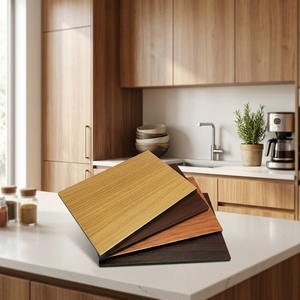
Natural timber entrances in coastal or humid tropical zones frequently crack, warp, and require yearly re-staining. Our PVDF and polyurethane-based sublimated timber-grain finishes mimic walnut, teak, and bleached oak micro-textures while being impervious to termites, rot, saline moisture, and sunlight. They maintain color fastness (ΔE < 5) for 20 years with simple neutral water cleaning.
Ready to Engineer Your Project's Entrance Solutions?
Whether you require a turnkey supply of 500+ commercial apartment doors, custom A2-rated hospital entrance leaves, or an oversized luxury villa pivot door, our engineering team in Foshan is on standby to provide free CAD shop drawings, sample chips, and project price breakdowns.
Get a Quote