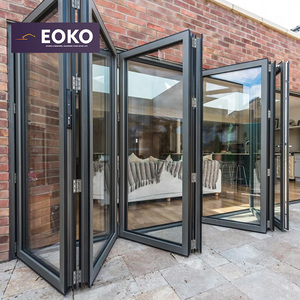
Acoustic & Thermal Barrier
Explore our industrial-grade, tested exterior and interior solutions configured for ultra-low thermal transmittance, high-load cycling, and hurricane resistance.
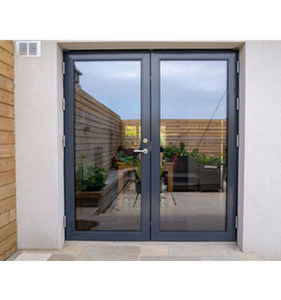
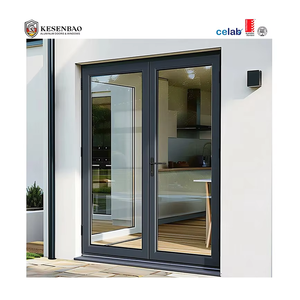
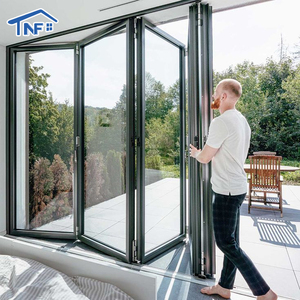
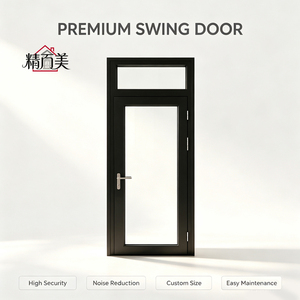
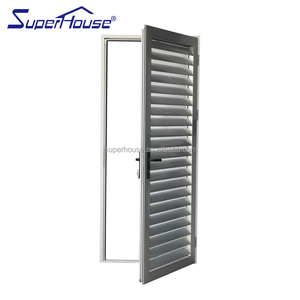
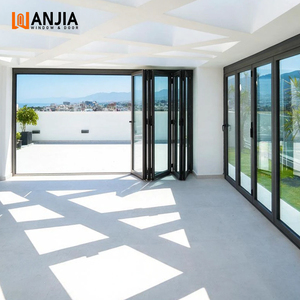
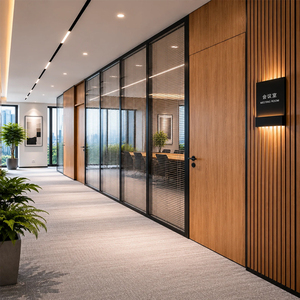
A technical cross-comparison of manufacturing capacities, thermal barrier engineering, structural warranties, and export compliance protocols across top global tier-1 factories.
| Manufacturer / System Matrix | Primary Alloy & Processing | Thermal Tech (Polyamide PA66) | Max Infiltration (Air/Water) | Target Application & Compliance |
|---|---|---|---|---|
| DERCHI Doors & Windows (Guangdong Dejiyoupin) | 6063-T6 / 6061-T6 Heavy Billet Extrusion | 34mm Technoform Thermal Barrier (Uf ≤ 1.1) | Class 4 / Class E1200 (EN 12208) | CE / AS2047 / ISO9001 / NFRC High-End Architectural |
| Schüco International (Germany) | EN AW-6060 Architectural Grade | Patented Insulating Multi-Chamber Core | Class 4 / Class 9A | Commercial Skylines & Passive House (DIN EN 14351-1) |
| Reynaers Aluminium (Belgium) | Primary 6060 Alloy Extrusions | High-Performance Polyzone Thermal Struts | Air 600Pa / Water 900Pa | Luxury Residential & Modular Envelopes |
| YKK AP Inc. (Japan/USA) | Architectural 6063 Billet Alloys | ThermaBond Plus Mechanical Barrier | ASTM E283 / ASTM E331 Compliant | Commercial Curtainwall & Institutional Entrances |
| Kawneer (Arconic Architectural) | High-Tensile Aluminum Alloys | Thermal Isolator Polymer Strut Matrix | AAMA / WDMA / CSA Certified | Public Sector & Heavy-Traffic Retail Envelopes |
| Cortizo (Spain) | 6063 Aluminum Alloy (T5) | Polyamide Strip Bar with Polyolefin Foam | Class 4 / Class E900 | European Continental Residential & Pivot Systems |
| Technal (Hydro Building Systems) | Low-Carbon Hydro CIRCAL 75R Aluminum | Interlocking Recycled Polyamide Insulators | Class 4 / Class E1050 | BREEAM & LEED Targeted Green Envelopes |
| Alumil (Greece) | Extruded AlMgSi0.5 Primary Billet | Multi-Chamber Polyamide Insulated Core | Class 4 / Class 9A | Mediterranean & Coastal Heavy-Duty Installations |
| Wicona (Hydro System) | Primary Engineered Structural Extrusion | Direct Injection Insulation Thermal Strip | Air Class 4 / Water Class E1200 | Zero-Energy Commercial Towers (EN Standards) |
| Origin Global (UK) | High-Grade British Extruded Aluminum | Polyamide Thermal Core Infiltration Protection | BS EN 12207 / PAS 24 Certified | Premium Residential Bi-folds & Entry Systems |
Derchi operates with native virgin 6063-T6 aluminum extrusions, delivering up to 2.5mm wall thicknesses for our load-bearing multi-track and pivot configurations. This structural rigor prevents deflections under extreme dynamic wind forces (exceeding AS 2047 N6 ratings), ensuring air and water seals remain hermetically locked during building movements.
Our integrated glazing assembly leverages Saint-Gobain and CSG double or triple-tempered laminated units, injected with 95% dry Argon gas. Coated with offline dual/triple silver Low-E thermal radiation coatings, Derchi glass units cut solar heat gain coefficients (SHGC) while achieving whole-unit thermal transmittance values down to Uw < 0.9 W/(m²·K).
A door assembly is only as dependable as its kinematics. We partner directly with German Roto Frank, Siegenia, and Hoppe hardware systems. High-traffic bifold tracks, stainless steel rollers, and concealed hydraulic pivot hinges are tested up to 200,000 uninterrupted cycle tests under full load tolerances without failure.
Strategic analysis of decarbonization, building codes, and hardware automation shaping high-performance aluminum with glass architectural systems.
Global procurement teams now evaluate the embodied carbon across the lifecycle of structural fenestration. Sourcing certified low-carbon aluminum smelted with renewable hydro power (under 4.0 kg CO₂ per kg of aluminum) has transitioned from an elective CSR metric into a mandatory building regulation requirement across the UK, EU, and Australasia.
Derchi has optimized its supply chain to supply verified Environmental Product Declarations (EPD), enabling project developers to qualify effortlessly for LEED Platinum and BREEAM Outstanding ratings.
Structural glass technology and automated hidden frames have prompted demand for ultra-slim interlocking stiles (down to 20mm visible profile face). By relocating structural loads to concealed structural jambs and utilizing structural silicone bonding (SSG), engineers can achieve unobstructed floor-to-ceiling panoramic views exceeding 6 meters in height.
These panoramic sliding and pivot systems integrate high-performance magnetic levitation motors for silent, effortless automated operation.
The standard static glass unit is yielding to dynamic building envelopes. Future procurement models emphasize electrochromic glazing (allowing variable light transmittance via automated controls) and Building-Integrated Photovoltaics (BIPV) embedded discreetly within high-transparency spandrels and door transoms.
These systems link directly with centralized Building Management Systems (BMS) to dynamically control solar radiation loads and reduce total building HVAC energy expenditure by up to 32%.
Concrete engineering facts addressing performance validation, customs compliance, and structural specification when sourcing factory-direct systems.
Connect with our technical engineering directors. We provide free door schedule reviews, thermal performance assessments, and structural CAD shop drawings within 24 hours.
Contact Us