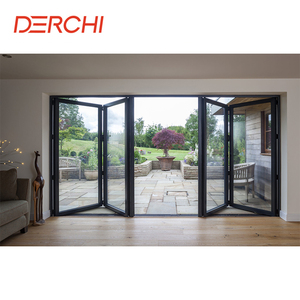
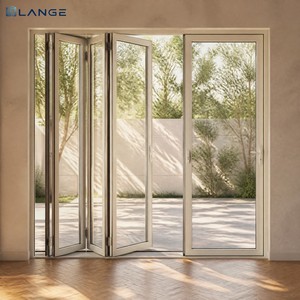
LANGE Modern Folding Aluminium Sliding Patio Door System
Bi-fold multi-leaf configuration engineered with heavy-duty bottom running tracks, EPDM weatherseals, and obscure insulated privacy glazing options.
Each manufactured system seamlessly integrates acid-etched obscure glazing, ceramic-fritted finishes, or acoustic laminated frosted units within heavy-gauge 6063-T5 thermally broken architectural aluminium extrusions.
Bi-fold multi-leaf configuration engineered with heavy-duty bottom running tracks, EPDM weatherseals, and obscure insulated privacy glazing options.
Concealed German hydraulic pivot hinges supporting up to 500kg leaves with translucent tempered privacy inserts and smart biometric access.
EN 1634-1 and UL certified fire integrity door leaf featuring intumescent core insulation, acoustic seals, and frosted fire-rated ceramic glass.
Slim-line multi-track sliding panels designed for hotels and corporate facilities, fitted with dual-sealed frosted double glazing for quiet operation.
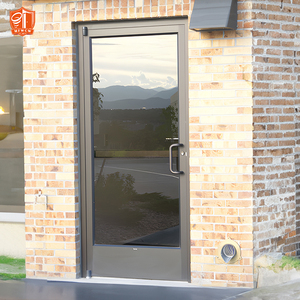
Wear-resistant anodized aluminium alloy frame with flush frosted vision panels, anti-bacterial coating, and concealed self-closing hardware.
Tested to AS 2047 N6 and coastal hurricane pressure limits; incorporates SentryGlas laminated frosted units and high-tensile locking bolts.
Polyamide PA66 thermal barrier profile featuring custom RAL powder coating, obscure sandblasted safety glass, and heavy-duty automatic door operators.
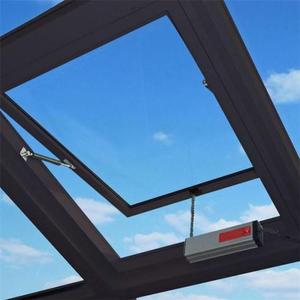
Precision chain-winder fenestration unit compatible with frosted privacy transom lights, providing integrated natural ventilation and watertight seals.
A comprehensive technical guide to specifying aluminium frosted glass door systems for Tier-1 commercial envelopes, coastal hospitality projects, and high-performance residential fenestration.
We mandate virgin 6063-T5/T6 architectural aluminium alloy with wall thicknesses exceeding 2.0mm to 3.0mm on structural door leaves. Chemically stabilized profile sections provide high modulus of elasticity and tensile yield strength (>160 MPa), eliminating thermal deflection and sagging across oversized pivot leaves up to 4,000mm in vertical clearance.
Obscurity is calibrated across ASTM C1036-certified float glass via hydrofluoric acid immersion etching or high-density ceramic silk-screening. Unlike sandblasted glass, acid-etched frosted surfaces seal open pores, repelling fingerprints, caustic oils, and alkaline cleaners while allowing 82% to 88% diffuse daylight transmittance without compromising sightline obscurity.
To comply with stringent EU Part L and German GEG energy standards, door extrusions incorporate multi-chambered polyamide thermal break bars (PA66 GF25). Coupled with dual-chamber warm-edge silicone spacer bars and acoustic PVB laminated obscure glass (35dB–42dB Rw ratings), our systems isolate internal living envelopes from external environmental fluctuations.
| Performance Characteristic | International Standard | DERCHI Engineering Specification | Project Architectural Value |
|---|---|---|---|
| Thermal Transmittance (UD) | EN ISO 10077-1 / 2 | UD ≤ 1.1 to 1.4 W/(m²·K) (Argon filled, Low-E) | Qualifies for LEED Gold, BREEAM Outstanding & Passive House zones. |
| Air Permeability & Infiltration | EN 12207 / ASTM E283 | Class 4 (≤ 3 m³/h·m² at 600 Pa) | Prevents energy leakage, draft whistling, and dust ingress in windy exposures. |
| Water Tightness Under Pressure | EN 12208 / ASTM E331 | Class 9A / E1050 (Zero penetration up to 1050 Pa) | Ensures watertight performance along exposed coastal façades and high-rise balconies. |
| Structural Wind Load Deflection | EN 12210 / AS 2047 N6 | Class C5 (±3000 Pa design wind pressure) | Eliminates glass blow-out risks during cyclonic conditions and typhoon events. |
| Burglar Intrusion Resistance | EN 1627-1630 (RC Classification) | RC2 to RC3 (Multipoint security locking & SGP laminates) | Resists mechanical pry attacks and blunt impacts; approved for critical security entries. |
| Acoustic Attenuation (Rw) | ISO 717-1 / ASTM E413 | Rw = 36 dB to 43 dB (Dual acoustic PVB interlayer) | Blocks urban street noise, commercial machinery hum, and transit resonance. |
Analyzing macro supply chain shifts, regulatory decarbonization mandates, and technological integration across European, American, and Australian architectural procurement channels.
Global architectural specifiers now mandate Environmental Product Declarations (EPDs). Procuring aluminium manufactured with hydro-electric smelters reduces profile carbon footprints from 18kg CO2/kg down to under 4.0kg CO2/kg, satisfying EU Carbon Border Adjustment Mechanism (CBAM) quotas.
Static frosted glass is rapidly converging with polymer-dispersed liquid crystal (PDLC) technology. Architects specify dual-mode privacy: transparent under electric potential and instantly opaque frosted when de-energized, integrated into central Building Management Systems (BMS).
The demand for bulky 80mm profile stiles has shifted decisively toward 18mm–25mm micro-frames. Structural glazing adhesives chemically bond the frosted laminated unit directly to concealed sub-frames, maximizing diffuse natural daylight without structural compromise.
Procurement teams require Qualicoat Class 2 fluorocarbon PVDF powder coatings or 25-micron architectural hard-coat anodizing. These surface treatments resist UV degradation, coastal salt-spray chalking, and micro-abrasion for a verified 25-year lifespan.
How precision digital manufacturing, CNC profile processing, and advanced interlayer chemistry are transforming obscure glazed door systems.
Traditional single-texture frosted acid baths are advancing to inorganic ceramic ink frit printing baked into the glass matrix at 680°C. This allows gradient fade privacy patterns, customized corporate branding, and solar heat gain coefficient (SHGC) fine-tuning on high-exposure corporate façades.
Modern oversized pivot systems eliminate floor-box excavation through slim, fully concealed bottom pivots. Utilizing aerospace-grade needle bearings and dual-speed hydraulic dampers, 450kg doors close smoothly with under 15N opening push-force, adhering strictly to EN 1154 and ADA accessibility thresholds.
Profile stability relies on precision 45-degree CNC miter cuts injected with two-component polyurethane bonding adhesives and cold-formed corner keys. This prevents joint fatigue, moisture infiltration, and corner frame creep during continuous thermal expansion cycles.
Founded in Foshan—China's global capital for architectural metal fabrication—DERCHI combines industrial manufacturing capacity with bespoke architectural engineering.
Operates five modern fabrication plants with automated German elumatec 5-axis CNC machining centers, automated glass tempering lines, and dust-free robotic powder coating booths ensuring zero particulate defects on high-gloss and matte frosted finishes.
Selected by a prominent UK builder and long-term Schüco partner for multi-villa luxury developments across Western Europe, verifying our system tolerance (±0.5mm), finish quality, and packaging durability against the world's most stringent standards.
Our multilingual structural engineering group delivers complete shop drawings, glass stress calculations, and IFC BIM families within 48 hours of initial enquiry, with technical consultations aligned to CET, GMT, and EST business schedules.
Addressing critical commercial, compliance, and logistics inquiries for developers, façade contractors, and wholesale door distributors.
Acid-etched frosted glass undergoes a controlled chemical bath with hydrofluoric acid that dissolves a micro-thin surface layer, creating a satiny, uniform, translucent finish. It permanently seals micro-fissures, making it exceptionally resistant to oil contamination, skin contact, and fingerprint retention. It can be cleaned with standard non-abrasive glass solutions.
Sandblasted glass is mechanically cut using high-velocity abrasive particles. This process leaves jagged, porous craters that easily absorb moisture, grease, and dirt, making cleaning difficult unless sealed with a polymer coating. For long-term architectural durability and lower maintenance, DERCHI exclusively recommends acid-etched or ceramic-fritted obscure glass.
Yes. DERCHI doors meet CE certification under EN 14351-1 (Windows and external pedestrian doorsets), supported by comprehensive ISO 9001 factory production control (FPC) documentation. We provide verified third-party laboratory test reports for air permeability (EN 12207), water tightness (EN 12208), wind load resistance (EN 12210), and acoustic insulation (EN ISO 717-1).
For each order, our technical department issues a Declaration of Performance (DoP) with thermal transmittance calculations (UD) under EN ISO 10077, tailored to the specific glass build-up, spacer configuration, and frame profiles specified in your schedule.
We use continuous polyamide structural insulation struts (Technoform PA66 GF25 with 25% glass fiber reinforcement) mechanically crimped between interior and exterior aluminium extrusions. This provides a structural barrier that blocks heat conduction through the frame.
Paired with warm-edge composite spacers, argon gas filling, and Low-E tempered glass coatings, our doors achieve a total system UD under 1.2 W/(m²·K). This keeps internal profile surfaces warm, eliminating dew-point condensation in high-humidity areas like master bathrooms and indoor pool entries, even during sub-zero winters.
All finished assemblies are wrapped in 0.1mm protective surface tape, enclosed with closed-cell expanded polyethylene (EPE) foam edge-guards, and sealed in vapor-barrier poly wraps. Doors are loaded into fumigated, heavy-duty ISPM-15 plywood crates reinforced with internal steel frames.
Inside the containers, crates are secured with high-tensile ratchet webbing and floor-bolted structural timber dunnage to eliminate transit shifting. We ship through major ports like Rotterdam, Hamburg, Felixstowe, Long Beach, and Sydney, and maintain full transit cargo insurance for added security.
Yes. Extruded frames include dedicated internal wire raceways and concealed hinge conduits. Systems support integration with smart locking platforms, including DormaKaba electro-mechanical multipoint locks, hidden motorized swinging/sliding door operators, RFID keypads, capacitive fingerprint sensors, and dry-contact building automation interfaces.
Because every commercial schedule is engineered to order, we accept project-specific MOQs starting from a single bespoke villa entrance ensemble up to multi-container commercial hotel deliveries. Standard fabrication lead time after CAD shop drawing approval ranges from 25 to 35 business days.
Connect directly with our Foshan factory technical directors. Submit your door schedules, CAD plans, or architectural specifications for a comprehensive technical review, acoustic/thermal rating verification, and a factory-direct quotation within 24 hours.
Send an Inquiry