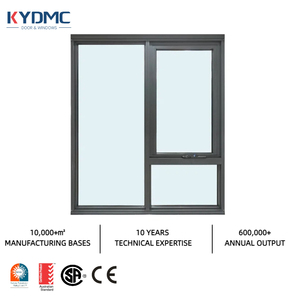
Export-Grade Architectural Envelopes
Precision Architectural Systems & Technical Assemblies
Architects, general contractors, and structural procurement teams demand fenestration materials capable of withstanding corrosive microclimates, continuous moisture intrusion, and severe thermal cycles. Our precision-engineered aluminium and composite door profiles bridge extreme structural tolerance with refined European design values.
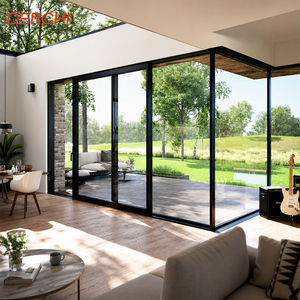
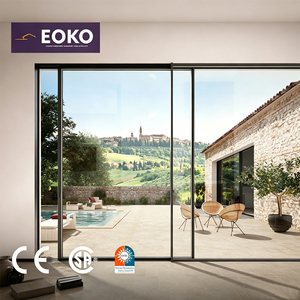
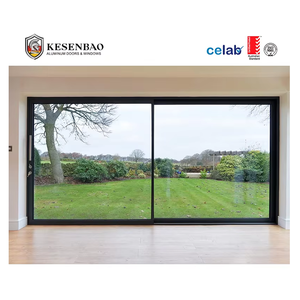
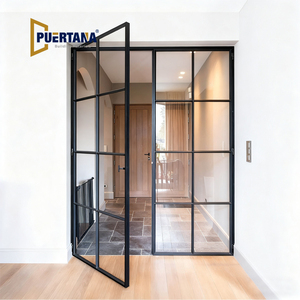
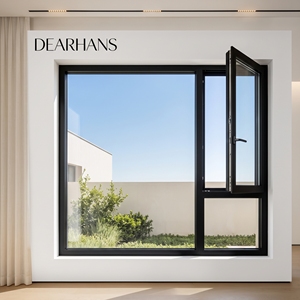
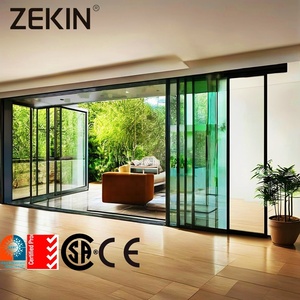
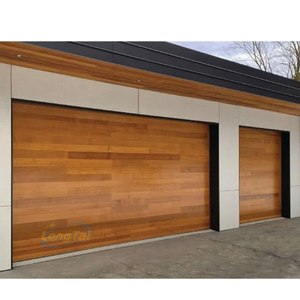
180,000 m²
Manufacturing Infrastructure
600+
Engineers & Specialists
100+
Patents & Global Certs
25+
Years Production Mastery
Engineering Architecture
Material Science: Decoupling Aluminium Bakelite Composite Superiority
The global fenestration and entrance door sector has undergone a profound paradigm shift. Traditional timber installations, while visually historic, yield chronic degradation when exposed to oscillating humidity gradients, subterranean moisture, or marine saline mists. Conversely, hollow vinyl (uPVC) lacks structural flexural rigidity over expansive architectural vertical spans exceeding 2,400mm, leading to irreversible hinge-sag, air leakage, and latch misalignment. The integration of Aluminium Bakelite Core Composite Systems addresses these intrinsic mechanical failures at a molecular level.
Bakelite (polyoxybenzylmethylenglycolanhydride), recognized as a dense, thermosetting synthetic polymer, introduces high thermodynamic stability. When cross-linked under high pressure with phenolic thermosetting resins and mechanically married with an external skeletal perimeter of 6063-T6 or 6060-T66 architectural-grade extruded aluminium, the resultant composite panel behaves as an immovable structural diaphragm. Unlike standard expanded polystyrene (EPS) or low-density polyurethane cores, the thermoset phenolic resin matrix within a Bakelite sheet exhibits zero hygroscopic expansion, guaranteeing that door panels maintain absolute planarity even under extreme differential temperatures between interior air-conditioned spaces and sun-baked exteriors.
| Performance Metrics | Aluminium Bakelite Composite | Standard Thermally Broken Alum | Solid Core Timber / Hardwood | Rigid Cellular uPVC |
|---|---|---|---|---|
| Dimensional Expansion Coeff. | < 0.02% (Near Zero Creep) | Moderate (Subject to bow effect) | High Swell (> 2.4% linear) | Extreme Distortion |
| Compressive Modulus | 120 - 150 MPa | N/A (Hollow + Polyamide strip) | 45 - 65 MPa | 40 - 55 MPa |
| Surface Water Absorption | 0.01% (DIN 53495 Immersion) | Impermeable (Extrusion only) | 15.0% - 28.0% | 0.15% |
| Acoustic Damping (Rw) | 38 dB to 44 dB | 31 dB to 35 dB | 29 dB to 34 dB | 28 dB to 32 dB |
| Fire Retardancy Reaction | Self-Extinguishing / Char Forming | Non-combustible (Euroclass A1) | Readily Combustible | Toxic Fume Evolution |
| Terminal Maintenance Cycle | 15+ Years (Salt-Spray Res.) | 7 - 10 Years (Seal breakdown) | 1 - 2 Years (Recoating) | 3 - 5 Years (UV yellowing) |
The Mechanics of Zero-Deflection Entrance Portals
In institutional, healthcare, and high-end residential architectural environments, entry portals encounter relentless operational strain. Continuous door closer tension, localized atmospheric differences, and heavy physical contact cause ordinary commercial doors to experience skin de-lamination. Aluminium Bakelite composites mitigate shear strain through hot-melt structural lamination with high-performance polyurethane reactive (PUR) adhesives under calibrated pneumatic continuous press conditions.
Furthermore, the integration of 30+ proprietary extrusion dies developed in our Foshan precision tooling facility enables multi-cavity perimeter frames. These profiles incorporate multi-fin EPDM co-extruded gaskets and magnetic bottom threshold drop-seals that prevent acoustic leakage and vapor infiltration, achieving full conformity with European EN 12207 Class 4 air permeability and EN 12208 Class 9A water-tightness thresholds.

Market Forecast & Sourcing Intelligence
Future Procurement Trends in Aluminium & Composite Fenestration
Global enterprise procurement strategies for commercial projects, high-density hospitality facilities, and private housing developments have transitioned beyond purely aesthetic metrics. Sourcing directors, façade consultants, and quantity surveyors now mandate measurable life-cycle cost (LCC) calculations, embodied carbon transparency, and verified operational longevity. The following four operational vectors represent the defining procurement requirements shaping institutional orders through 2030:
Total Life-Cycle Cost Valuation
Buyers are discarding cheap upfront initial-cost bids in favor of verified 25-year life-cycle resilience. Aluminium Bakelite composite doors eliminate ongoing painting, varnishing, rust mitigation, and core-swelling service calls, driving down facility maintenance expenses by up to 64% over a 15-year commercial operational tenure.
Standardized Decoupled Sub-Assemblies
To accelerate construction timelines, general contractors demand pre-hung, factory-calibrated modular sub-assemblies. Supplying ready-to-anchor frame profiles complete with pre-milled multipoint European lock cutouts reduces on-site contractor installation errors and guarantees compliance with local building inspections.
Oversized Pivot & High-Clearance Openings
Modern architectural designs favor massive floor-to-ceiling pivot configurations exceeding 3,000mm in vertical elevation. Engineered aluminium frames reinforced with rigid Bakelite inner stiffeners maintain structural stability under high wind pressures (AS 2047 N6 compliant), preventing frame deflection in coastal zones.
Stringent Building Code Traceability
Importing door assemblies into Tier-1 markets (UK, EU, USA, Australia) necessitates traceable mill certificates, comprehensive Declarations of Performance (DoP) under EN 14351-1, NFRC thermal performance ratings, and CE conformity, reducing the risk of custom seizures or municipal project vetoes.
Industry Evolution
Technological Advancements in Aluminium Bakelite Systems
Fenestration manufacturing is rapidly advancing beyond basic mechanical extrusion cutting into precision mechatronics and advanced surface chemical passivations. The future of high-performance architectural openings is governed by three primary engineering developments:
Aerospace-Grade Nanotech Powder Coatings
Modern exterior finishes utilize fluorocarbon (PVDF) and super-durable Qualicoat Class 2 powder coatings. These specialized surfaces shield outer aluminium extrusions from intense UV radiation and chemical breakdown in aggressive seaside salt-spray atmospheres (tested to withstand >3,000 hours ASTM B117 salt fog exposure without blistering).
Integrated Mechatronic Access Solutions
Modern entrance systems combine mechanical structural cores with low-voltage mechatronics. Hidden conduits within the Bakelite core allow installers to run wiring without compromising fire resistance. This facilitates seamless integration of concealed motorized pivots, biometric scanning, and smart building management systems (BMS).
Acoustic Decoupling & Sound Insulation
Urban densification has driven demand for superior acoustic insulation. Utilizing multi-density phenolic core layers combined with perimeter air chambers and custom thermal-break isolators allows entrance door assemblies to achieve laboratory-tested sound attenuation levels between 38dB and 44dB.
Enterprise Pedigree & Manufacturing Capability
DERCHI: Over 25 Years of Precision Door & Window Engineering
Operating from Foshan, Guangdong—the epicentre of global architectural aluminium manufacturing—Guangdong Dejiyoupin Doors and Windows Co., Ltd. (DERCHI) stands among the top 10 premier door and window brands in China. We engineer, manufacture, and export industrial-grade architectural systems to Tier-1 developers, architects, and building material distributors worldwide.

Why Tier-1 Contractors Rely On Our Production Facilities:
- 180,000 m² Production Ecosystem: Housing heavy CNC extrusion routing centers, multi-axis profile milling equipment, high-pressure laminating plants, and automated assembly lines.
- Schüco-Level Engineering Rigor: Chosen by a long-term UK Schüco installation partner to supply custom door packages for high-end residential villa projects across Britain.
- International Compliance: Fully certified under ISO 9001 quality management, CE EN 14351-1 harmonized European norms, North American NFRC / CSA thermal protocols, and Australian AS 2047 cyclonic wind pressure standards (N6 rated).
- Free Technical CAD & BIM Drafting: Dedicated project engineers draft custom shop drawings, perimeter anchorage details, and threshold profiles directly aligned with your structural door schedule.
- Global Logistics & Time-Zone Support: Fully crated sea freight export dispatching to primary container ports (Rotterdam, Hamburg, Felixstowe, Long Beach, Sydney) with responsive CET, GMT, and EST technical support.
Procurement Clarity
Frequently Asked Questions: B2B Sourcing & Engineering
Direct answers to the most common technical questions raised by commercial quantity surveyors, architects, and international importers before placing orders:
What makes Aluminium Bakelite doors superior to conventional PVC or timber doors in coastal and high-humidity areas?
Aluminium Bakelite doors integrate a dense, thermoset phenolic resin core enveloped by marine-grade 6063-T6 architectural aluminium extrusions. Unlike timber, which absorbs atmospheric moisture, warps, and deteriorates, or uPVC, which becomes brittle and degrades under intense UV exposure, the Bakelite phenolic composite matrix exhibits near-zero hygroscopic water absorption (<0.01% DIN 53495). This prevents swelling, skin delamination, mold colonization, and perimeter binding, making it an ideal long-term solution for coastal properties, tropical regions, and high-condensation interior environments.
How does the composite structural core withstand heavy commercial usage and forced entry?
Bakelite possesses high compressive modulus (120–150 MPa) and impact resistance. When bonded under continuous pressure to reinforced aluminium frame chambers, the assembly functions as an anti-impact barrier. The high-density core prevents brute-force drill bits, prybars, and localized impacts from penetrating the panel. Combined with German-engineered multipoint hook-bolt locking systems, heavy-duty 3D adjustable security hinges, and anti-drill escutcheons, our door assemblies easily satisfy European RC2 and RC3 burglar resistance standards (EN 1627).
What international testing standards and certifications do your door assemblies meet?
Every production batch manufactured within our Foshan facility conforms to strict quality protocols under an ISO 9001 certified regime. For European construction projects, we supply technical documentation, factory production control data, and third-party test reports for CE Marking under EN 14351-1 (covering air infiltration, wind load deflection, and water tightness). For North American imports, our products align with NFRC and CSA standards; for the Australian market, we hold verified AS 2047 test passes including the highest N6 structural wind pressure ratings.
Can doors be fully customized according to project-specific architectural schedules?
Yes. We provide complete manufacturing customization. Clear architectural door opening dimensions, structural pivot offsets, internal transom divisions, threshold profiles (including ADA barrier-free recessed channels), RAL powder-coat colors, anodized metallic sheens, and wood-grain thermal transfer prints can be configured. Before production, our engineering office generates comprehensive 2D CAD shop drawings and 3D cross-sectional elevations for structural sign-off.
What is the standard production lead time and sea freight protection protocol?
Standard manufacturing duration ranges from 25 to 35 business days following formal shop drawing approval and color swatch sign-off. For long-distance sea container transport, doors undergo a multi-tier protective packing regimen: initial peelable protective surface film, shock-absorbing corner guards, waterproof wrapping, pearl-cotton buffer layers, and complete crating in reinforced, fumigation-free solid timber or composite export boxes. We support container loading out of Nansha, Shenzhen, or Hong Kong ports directly to global destinations.
Engineer Your Architectural Vision with Factory-Direct Precision
Consult with our structural engineering team today. Send us your project schedules, CAD drawings, or tender specifications for rapid price estimation, custom CAD profiles, and complete export logistics planning.
Contact Us