High-Performance Architectural Fenestration & Storm Windows
Manufactured using structural 6063-T5/T6 aluminum alloys, precision CNC processing, and advanced insulating glass units, tested against demanding international hurricane and coastal environments.
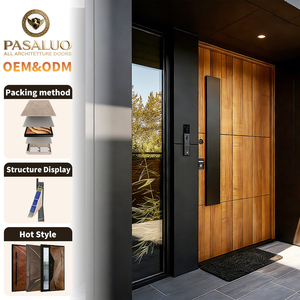
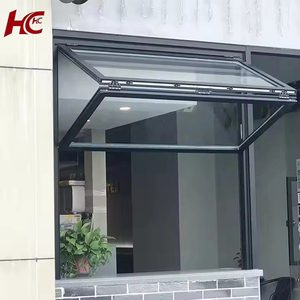
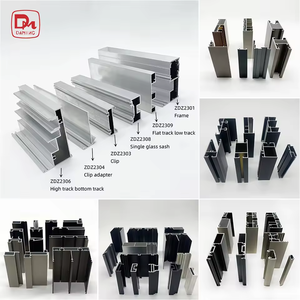
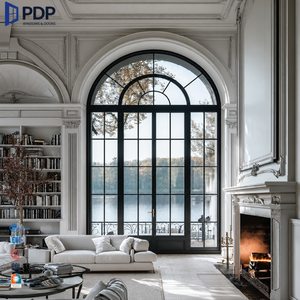
Engineering Principles of Heavy-Duty Aluminum Storm Windows
Analyzing structural resistance, envelope thermodynamics, cyclical pressure testing, and atmospheric longevity for international project procurement.
In modern commercial and high-end residential building envelopes, aluminum exterior storm windows serve as the indispensable first line of defense against atmospheric pressure shocks, wind-driven rain penetration, and thermal migration. Far surpassing conventional secondary glazing, contemporary storm fenestration exported to North American, European, and Australian territories is treated as a high-precision, load-bearing barrier governed by stringent structural and thermal performance criteria.
From an engineering standpoint, selecting a certified exporter involves rigorous evaluation of aluminum billet purity (primary 6063-T5 vs. re-melted secondary scrap), thermal barrier integration via reinforced polyamide struts (PA66 GF25), and cycling endurance under dynamic positive and negative wind loads. When major storms strike coastal or alpine elevations, differential air pressures can easily exceed 4,000 Pascals (Pa), requiring an envelope design that absorbs dynamic cyclical deflection without seal failure, frame distortion, or water infiltration into the structural rough opening.
ASTM E1886 / E1996 Impact Resilience
Calculated for Wind Zone 4 missile strikes. Utilizes 9-pound 2x4 lumber projectile testing followed by 9,000 positive and negative pressure cycles, ensuring continuous envelope integrity during hurricanes.
Polyamide Thermal Barriers
Features 24mm to 34mm multi-chambered PA66 GF25 thermal breaks that eliminate linear cold bridging, dropping overall frame U-factors to below 1.4 W/(m²·K) for stringent climate compliance.
Qualicoat Class 2 & Anodizing
Seaside-rated surface protection resilient against ISO 9227 continuous salt spray over 3,000 hours, preventing micro-pitting, filiform corrosion, and chalking in aggressive marine environments.
A frequent blindspot among international contractors is the acoustic attenuation coefficient (OITC/STC). High-frequency wind shear noise combined with urban decibel loads requires deliberate glass lamination configurations. By pairing asymmetrical glass lites (e.g., 6mm exterior tempered + 12mm Argon space + 8.76mm acoustic PVB laminated interior), DERCHI aluminum storm windows act simultaneously as thermal barriers, hurricane shutters, and high-performance sound buffers reaching STC values of 42 to 45 dB.
Engineering Benchmark: High-Performance Storm Fenestration Metrics
Architects and project specifiers can utilize the empirical data below when structuring tender documents and fenestration schedules for international port and inland developments:
| Test Parameter | Standard Reference | Standard Grade Performance | DERCHI Architectural Export Grade |
|---|---|---|---|
| Structural Wind Load (DP) | ASTM E330 / AS 2047 | DP 35 (1,680 Pa) | DP 65 to DP 100 (3,120 – 4,800 Pa) / Class N6 |
| Water Infiltration Resistance | ASTM E547 / EN 12208 | 300 Pa (Static Head) | 700 Pa to 1,050 Pa (No Leakage under Cycle) |
| Air Infiltration Rate | ASTM E283 / EN 12207 | 0.30 cfm/ft² | ≤ 0.04 cfm/ft² (Hermetic EPDM Multibarrier) |
| Thermal Transmittance (U-Factor) | NFRC 100 / EN ISO 10077 | U ≥ 0.42 BTU/h·ft²·°F | U ≤ 0.22 BTU/h·ft²·°F (0.95 - 1.25 W/m²·K) |
| Impact Hurricane Criterion | ASTM E1886 / E1996 | Uncertified Non-Impact | Missile Level D (Wind Zone 4, 50 ft/s Velocity) |
| Saline Corrosion Longevity | ISO 9227 / AAMA 2605 | 1,000 Hours Salt Spray | 3,000+ Hours (Fluorocarbon PVDF / Qualicoat 2) |
Procurement Trends in Global Storm Window Supply
Navigating carbon taxes, strict regional energy codes, and advanced composite integrations across major international building markets.
The procurement landscape for aluminum exterior storm windows exporters has transformed markedly. Historical procurement was driven primarily by aesthetic profiles and entry-level water deflectors. However, between 2025 and 2030, global building codes such as the EU Energy Performance of Buildings Directive (EPBD recast), the UK Future Homes Standard, and California's Title 24 have fundamentally redefined minimum acceptance criteria.
Low-Carbon Extrusion & EPD Transparency
International developers increasingly require certified Environmental Product Declarations (EPD). Exporters must provide trace evidence of renewably powered hydro-aluminum smelters reducing embodied carbon down to < 4.0 kg CO₂/kg Al.
Active & Electrochromic Glass Units
Secondary storm envelopes are integrating smart dynamic tinting (SPD/Electrochromic) and integrated micro-ventilation with heat recovery (HRV), preventing condensation while autonomously tuning Solar Heat Gain Coefficients (SHGC).
Micro-Sill Flush Drainage
Traditional weep holes frequently jam during debris storms or fail under negative suction. Trend analyses show rapid adoption of hidden labyrinth drainage chambers with non-return gravity baffles preventing gale wind reverse suction.
Furthermore, standardizations such as the AAMA/WDMA/CSA 101/I.S.2/A440 North American fenestration standard demand unyielding compliance for coastal multi-family housing. International exporters who fail to offer full engineering shop drawings (BIM Revit families, DWG structural sections, static anchor load calculations) are increasingly disqualified from top-tier institutional tenders. DERCHI fulfills this engineering imperative by delivering complete technical documentation for every bespoke profile schedule prior to manufacturing.
Why International Developers Specify DERCHI
Combining 25+ years of fenestration excellence, a massive 180,000 m² industrial footprint, and an integrated German-standard CNC manufacturing matrix.
Heavy-Industrial Scale Meets German Tolerancing
Headquartered in Foshan, Guangdong—the epicentre of global high-grade aluminum metallurgy—DERCHI (Guangdong Dejiyoupin Doors and Windows Co., Ltd.) represents the vanguard of export fenestration manufacturing. Our automated production lines combine robotic milling, automatic corner-crimping with dual-component structural polyurethanes, and computerized gas-fill validation.
- 180,000 m² Production Powerhouse: Scaled to process multi-tower and major residential subdivision orders without pipeline delays.
- Multi-Market Certification Compliance: Products certified to CE (EN 14351-1), Australian AS 2047 (Class N6), and US NFRC/AAMA testing standards.
- In-House R&D & 100+ Patents: Continuous engineering advancements in thermal break geometry, flush sills, and multi-point lock hardware.
- Direct European & American Sea Corridors: Turnkey seaworthy crating and export logistics to Rotterdam, Hamburg, Felixstowe, Long Beach, and Sydney.
600+ Skilled Specialists
Engineers, QC inspectors, and CAD drafters dedicated to flawless production schedules.
Schüco Partner Proven
Selected by premier British & European developers for multi-villa luxury schemes.
Full CAD/BIM Services
Free architectural shop drawings customized to your exact structural rough openings.
Reinforced Packaging
IPPC heat-treated plywood crates with desiccant layers preventing ocean freight moisture.
Frequently Asked Questions by Commercial Buyers & Importers
Addressing structural load calculations, custom extrusion tooling, international testing verifications, and overseas freight mechanics.