Direct Architectural Portfolio
Engineered Double-Glazed Window & Door Solutions
Manufactured in our 180,000 m² Foshan production facility using precision extrusion dies, advanced thermal barriers, and heavy-duty European hardware tailored to Japan's rigorous seismic and wind load envelopes.
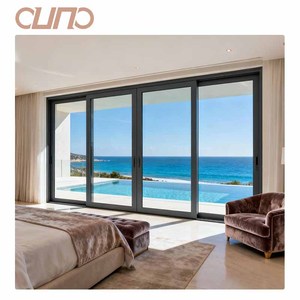
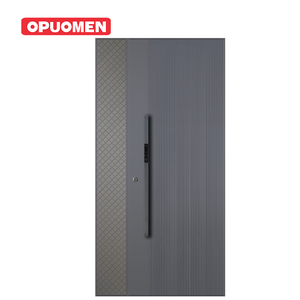
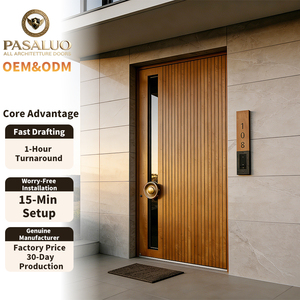
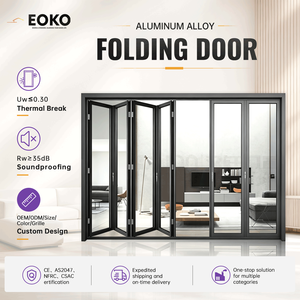
180km²
Manufacturing Complex
25+
Years Façade Engineering
100+
Patents & Global Certifications
600+
Specialized Production Craftsmen
Regional Climate Engineering
Localized Application Scenarios in Tokyo Metropolitan Architecture
Navigating Tokyo's unique intersection of extreme seismicity, coastal typhoon exposure, stringent urban fire zones (防火地域), and ambitious net-zero thermal mandates.
High-Density Urban Fire Zones (Quasi-Fire Prevention)
Tokyo’s Ward Area (23 Wards) implements strict Building Standard Law compliance requiring certified fire-retardant fenestration in Class 1 and Class 2 fire protection zones. Our aluminum double pane assemblies integrate thermally stable intumescent seals, wire-reinforced or ceramic borosilicate fire-rated glass, and multi-point steel locking that withstand exterior combustion exposures up to 60 minutes without structural buckling.
Coastal Bay Typhoon Resistance (Tokyo Bay & Shinagawa)
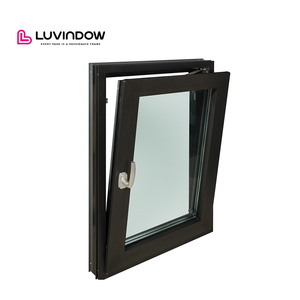
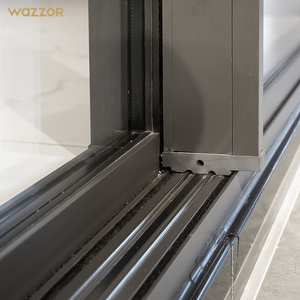
Waterfront developments around Ariake, Toyosu, and Yokohama face extreme wind pressures during autumn typhoon seasons. DERCHI double glazed assemblies feature 6063-T6 high-tensile alloy profiles paired with triple continuous EPDM weatherstripping and pressurized weep-drainage channels, delivering JIS S-6 (up to 2800 Pa) wind resistance and W-5 (500 Pa) dynamic water tightness ratings.
Seismic Inter-Story Drift Compensation
Given Japan's frequent seismic micro-tremors and catastrophic subduction events, rigid window frame mountings often fracture during lateral building deformation. DERCHI profiles feature engineered seismic clearance pockets with elastomeric structural setting blocks that absorb inter-story shear deformations (up to 1/120 rad) without glass edge contact, preventing shattered panes during seismic shocks.
Procuring exterior fenestration for Tokyo architectural programs demands a nuanced understanding of Japanese building culture (建築基準法). While traditional Japanese residential framing historically favored uninsulated single-hung timber or non-thermally broken thin aluminum profiles, contemporary Japanese architecture is undergoing an aggressive structural pivot. The Ministry of Land, Infrastructure, Transport and Tourism (MLIT) has legislated mandatory energy conservation benchmarks for all new residential and commercial developments. For general contractors (ゼネコン) and registered architects (一級建築士), importing custom-engineered aluminum double pane window units from a specialized Chinese tier-1 exporter offers an optimal convergence of European thermal performance, precision tolerances, and scalable factory-direct economies of scale.
Regulatory Trends
Market Evolution: Zero Energy Houses (ZEH) & Tokyo Metropolitan Codes
Critical structural transitions shaping procurement strategies across Japanese real estate asset classes over the next decade.
Decarbonization & Mandatory Insulation Level 6 & 7
Under the revised Energy Conservation Standard, standard U-values for window fenestration in Climate Zone 6 (Tokyo/Chiba/Kanagawa) are tightening rapidly. DERCHI incorporates multi-cavity polyamide (PA66 GF25) thermal breaks with warm-edge composite spacers and dual Low-E Argon gas fills to reliably achieve thermal transmittance values (U-factor) below 1.4 W/m²·K, allowing projects to surpass standard ZEH and ZEB benchmarks effortlessly.
Acoustic Isolation for Transit Corridors
With residential micro-apartments and luxury residences situated adjacent to railway arteries (such as the Yamanote Line or Shinkansen elevated tracks), noise abatement is a decisive asset valuation metric. DERCHI's asymmetrical laminated double glazing configurations achieve T-3 to T-4 acoustic performance classes (Rw 38–42 dB sound attenuation), eliminating low-frequency ground-vibration noise transfers.
Subsidized Renovation Programs (Madori-Nobe)
The Tokyo Metropolitan Government’s aggressive subsidy initiative for existing housing stock window insulation ("Advanced Window Renovation Project") has created massive demand for prefabricated retrofits. DERCHI provides bespoke slim-frame cover profiles and dry-glazing replacement units that insert seamlessly into preexisting steel or timber openings, saving over 45% in job-site labor hours.
| Performance Specification | Japanese Reference Metric (JIS) | Standard Domestic Sashes | DERCHI High-Spec Engineering |
|---|---|---|---|
| Thermal Transmittance (U-Value) | JIS A 4710 / JIS A 2102 | 2.33 – 3.49 W/m²·K (Grade 2/3) | 1.1 – 1.4 W/m²·K (Grade 5/6 Superior) |
| Seismic Inter-Story Displacement | JIS A 4702/4706 Test Strains | 1/200 rad basic tolerance | 1/100 to 1/120 rad Elastic Damping |
| Water Pressure Resistance | JIS A 1517 Pressure Testing | W-3 (250 Pa) to W-4 (350 Pa) | W-5 (500 Pa Continuous Dynamic) |
| Acoustic Isolation Class | JIS A 4706 Sound Attenuation | T-1 (25 dB) to T-2 (30 dB) | T-3 / T-4 (35 to 42 dB Reduction) |
| Surface Finish & Salt Spray | JIS H 8602 Composite Coating | Standard Anodized (5-10 yrs) | Fluoropolymer PVDF 3-Coat (25+ yrs) |
Enterprise Competence
Why Japanese Developers Partner with DERCHI
Combining over two decades of German precision manufacturing equipment with the agility of China’s preeminent architectural industrial base in Foshan.
Rigid ISO 9001, CE & AS2047 N6 Quality Standards
DERCHI fenestration products undergo stringent factory acceptance tests in accordance with ISO 9001 and have achieved Australia's highest structural AS 2047 N6 rating. Furthermore, having been selected by long-term partners of German system brand Schüco for prestigious multi-villa developments across the globe, our profile tolerances align with the zero-defect ethos demanded by Japanese engineering inspectors.
Free CAD Shop Drawings to Japanese Schedules
Our internal drafting bureau includes senior façade technicians capable of interpreting Japanese construction schedules and architectural plans. We produce comprehensive, free CAD section details, flashing interfaces, anchorage calculations, and corner joinery schematics to expedite structural sign-offs before production commences.
Fast Sea-Freight Logistics to Tokyo & Yokohama
Operating from the industrial Pearl River Delta hub, we provide end-to-end maritime logistics directly to the Port of Tokyo and Port of Yokohama. Every window and door unit is packed in reinforced export-grade plywood crates with vapor-barrier desiccants, surface-protective polyethylene films, and edge corner protectors to ensure arrival without micro-abrasions.
Procurement Diligence
Frequently Asked Questions by Japanese Procurement Teams
Technical, regulatory, and logistics clarifications addressing the specific compliance workflows of the Japanese construction sector.
How do DERCHI windows comply with the Building Standard Law of Japan (建築基準法)?
We configure structural glass thicknesses, alloy wall thicknesses (1.8mm–3.0mm), and corner reinforcing cleats in accordance with MLIT wind load formulas (based on design velocity pressure q and wind pressure coefficient C). When required for building confirmation applications (確認申請), our technical department supplies certified raw material mill sheets, glass manufacturer stress reports, and calculation summaries for local building officials.
Can you provide wired fire-resistant glass (網入りガラス) or fire-prevention certification?
Yes. We source cross-wire and parallel-wire fire-protective glass units, as well as clear ceramic monolithic and double-glazed fire-rated panels from certified tier-1 glass producers. These assemblies are paired with fire-resistant ceramic perimeter gaskets and steel interlocks compatible with Japanese Fire Prevention Zone standards.
How are profile dimensions coordinated with Japanese grid sizing (尺モジュール)?
While our factory standardizes on metric millimeter increments, all extrusion cut lists and frame outer dimensions can be fully customized to traditional Japanese shaku/ken architectural modules (such as 910mm or 1,820mm centerlines) as well as modern 1,000mm meter-module developments, ensuring zero interference with prefabricated post-and-beam timbers or lightweight steel gauge wall studs.
What is the expected sea freight shipping duration to the Port of Tokyo or Yokohama?
Maritime container transit from Shenzhen or Guangzhou ports to Tokyo/Yokohama takes approximately 4 to 6 days under normal liner services. Total order-to-delivery lead times generally range between 25 and 35 working days from approved shop drawings, ensuring smooth alignment with your critical milestone delivery sequences.