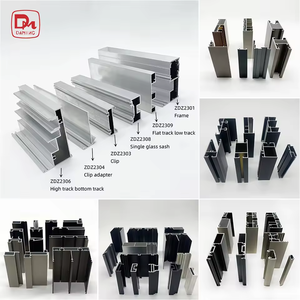
Custom Anodized CNC 6000-Series Aluminum Window Profiles
High-precision CNC machined architectural profiles designed for structural jali matrices, featuring anodized or fluoropolymer PVDF weather coatings.
Get CatalogTechnical Whitepaper, Architectural Specifications & Direct B2B Procurement Systems
Factory-direct structural fenestration solutions precision-engineered with architectural 6063-T5/T6 alloy profiles, integrated geometric jali frameworks, and multi-point security hardware.
High-precision CNC machined architectural profiles designed for structural jali matrices, featuring anodized or fluoropolymer PVDF weather coatings.
Get Catalog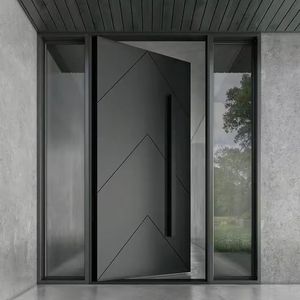
Oversized load-bearing pivot engineering paired with internal reinforcing ribs and precision CNC cut decorative anti-intrusion screens.
Get Catalog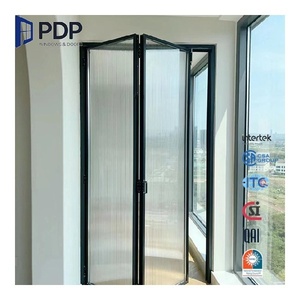
Multi-leaf bifold arrangements engineered with integrated fly-screen and decorative micro-jali security panels for panoramic openings.
Get Catalog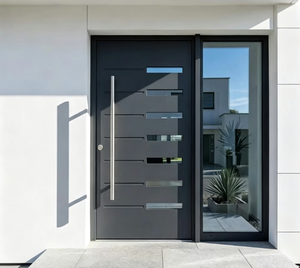
Dual-layer laminated safety glazing protected by architectural grade exterior laser-patterned jali louvers in matte grey textured finishes.
Get Catalog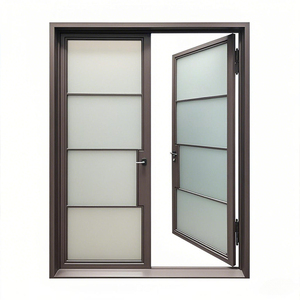
Classic veranda and balcony assemblies featuring external aluminum geometric fretwork grids and acoustic insulated double glazed units.
Get Catalog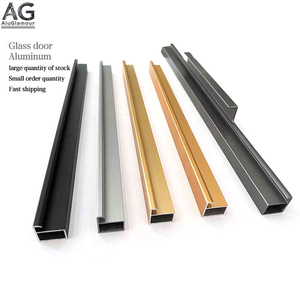
Ultra-narrow bezel aluminum interior sliding systems integrating fretwork jali ventilation louvers and acoustic laminated privacy glass.
Get Catalog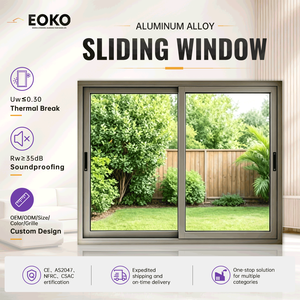
Polyamide PA66 thermal barrier windows with custom integrated external sliding aluminum perforated sunshade jali cassettes.
Get Catalog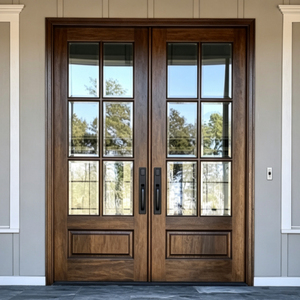
Solid timber warmth combined with weather-resistant exterior aluminum jali shields and high-security multi-point German locking gears.
Get CatalogHeadquartered in Foshan—the world’s primary industrial hub for high-precision architectural aluminum extrusions—DERCHI commands world-class engineering infrastructure.
Full conformance with CE (EN 14351-1), AS2047 N6 cyclonic testing, ISO 9001 quality audits, and North American NFRC acoustic and thermal certifications.
Dedicated shop-drawing drafting teams generate precision wind-load assessments, thermal transmittance simulations, and millimeter-accurate sectional details.
Reinforced export sea crates delivered safely to Felixstowe, Rotterdam, Hamburg, Sydney, Dubai, and Long Beach with factory-matched hardware warranties.
Architectural fenestration is undergoing a significant renaissance, driven by the synthesis of bioclimatic architectural principles and advanced metallurgy. Modern aluminum jali windows—historically derived from traditional pierced stone or wooden screens (latticework) found across Mediterranean, Middle Eastern, and South Asian architecture—have transitioned from ornamental elements into high-performance structural building envelopes. In multi-family residential towers, commercial developments, and luxury coastal residences, the modern aluminum jali serves as an integrated sunshade, natural ventilation diffuser, and forced-entry deterrent barrier.
As premier China wholesale aluminum jali window factories and exporters, Guangdong Dejiyoupin Doors and Windows Co., Ltd. (DERCHI) engineers fenestration profiles that reconcile traditional lattice geometries with the stringent demands of international building performance standards, including European EN 14351-1, German EnEV/GEG, and Australian AS2047 frameworks.
A persistent vulnerability in substandard architectural extrusions is the utilization of remelted scrap aluminum with high zinc and iron impurities, resulting in micro-porosity and intergranular corrosion when exposed to saline maritime climates or urban pollution. High-tier China exporters utilize virgin Alloy 6063-T5 or 6063-T6 architectural extrusions characterized by precise silicon-to-magnesium stoichiometry (0.2–0.6% Si, 0.45–0.9% Mg). This profile foundation guarantees a minimum tensile strength of 205 MPa and yield strength of 160 MPa.
For demanding thermal barrier specifications, windows integrate 24mm to 34mm multi-chambered Polyamide (PA66 GF25) thermal breaks reinforced with 25% glass fiber. This material matches the thermal expansion coefficient of aluminum (2.3 × 10⁻⁵ /K), preventing structural shear stress delamination across extreme cyclic temperature ranges from -30°C in Northern Europe to +50°C in equatorial export territories.
Wholesale procurement requires an understanding of fabrication modalities for the decorative jali lattice inserts:
Corrosion-resistance is non-negotiable for project specifiers. Factory finishing protocols deployed by leading Foshan facilities conform to AAMA 2604 / AAMA 2605 certifications or Qualicoat Class 2 standards. Fluoropolymer coatings (70% PVDF Kynar 500) provide a minimum film thickness of 40 microns, guaranteeing resistance against color shift (Delta E < 5) and surface gloss deterioration over 20-year exposure horizons, while maintaining superior chemical resistance to acidic rain, coastal salt fog, and direct UV radiation.
How international developers, architects, and procurement managers are adapting their wholesale sourcing strategies for the next decade.
Developers are eliminating disconnected multi-subcontractor workflows where windows and security screens are purchased separately. Demand is shifting toward unitized systems where the exterior aluminum jali screen, insulated glass unit (IGU), and thermal break sub-frame are assembled, tested, and sealed inside the controlled factory environment.
Next-generation commercial and luxury villa projects are moving toward motorized sliding and bi-folding jali cassettes. Managed via central KNX or Zigbee Building Management Systems (BMS), these dynamic screens track azimuth angles to block direct glare while maximizing daylight harvesting.
Driven by the European Union’s Carbon Border Adjustment Mechanism (CBAM) and global LEED / BREEAM benchmarks, tier-one institutional buyers prioritize Chinese exporters operating hydro-powered smelting lines and low-embedded-carbon circular billets accompanied by third-party Environmental Product Declarations (EPD).
Key structural and materials breakthroughs driving modern architectural fenestration forward.
Advanced computational fluid dynamics (CFD) modeling now guides jali perforated screen cutouts. The micro-aperture geometry is engineered to break standing sound waves from adjacent urban motorways, reducing interior decibel transmission across lower frequencies.
Moving away from conspicuous welded bars, engineering now integrates high-security European RC2 and RC3 forced-entry hardware quietly into the perimeter sub-frame, relying on concealed anti-lift mushroom cam bolts and heavy-duty corner hinges.
Adoption of 6005A and 6082 structural alloys in critical structural mullions and large-span sliding pivot systems enables higher aspect ratios, thinner sightlines, and superior wind load deflection performance exceeding 4000 Pascals.
Direct answers addressing technical parameters, international shipping standards, custom tooling, and compliance verifications for B2B procurement professionals.
Contact our senior fenestration engineers in Foshan. Submit your project door schedule, BIM models, or architectural elevations for immediate engineering review and certified factory-direct B2B pricing.