Architectural Fenestration Systems · Whitepaper

Top Trusted Aluminium Single Window Manufacturer & Suppliers

Global structural envelope engineering, precision-machined 6063-T6 thermal barrier profiles, and factory-direct supply chains compliant with EN 14351-1, AS 2047, and Miami-Dade structural codes.

180,000m²
Smart Production Hub (Foshan)
25+ Years
Fenestration Engineering
100+ Patents
Structural & System Designs
AS 2047 N6
Severe Cyclone Certified
Precision Engineering Portfolio

Featured Architectural Systems & High-Performance Assemblies

Engineered to balance acoustic isolation, thermal boundary optimization (Uw ≤ 1.1 W/m²K), and structural wind resistance across high-rise, coastal villa, and commercial applications.

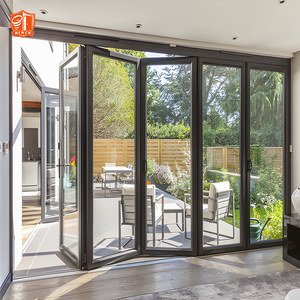
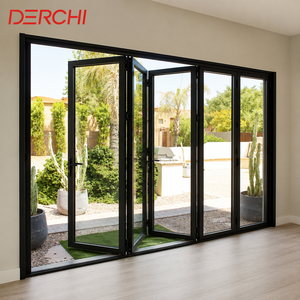
Bifold System Modern High Aluminum Double Glass Accordion Large Big Bifold Long Bi Fold Sliding Exterior Main Entrance Patio Folding Door

Modern High Aluminum Double Glass Accordion Patio Folding Door

Profile: 6063-T6 Polyamide Thermal: Uw ≤ 1.3 W/m²K Glazing: 5mm+12A+5mm Low-E Capacity: 120kg/Panel
View Specifications →
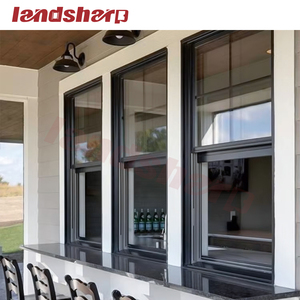
High Efficiency Landsharp Aluminum Single Double Hung Window Sliding Sash Triple Glazed Windows

Landsharp Single & Double Hung Triple Glazed Sliding Sash Windows

Sash Style: Counterbalanced Hung Thermal: Uw ≤ 0.85 W/m²K Glazing: Triple Pane Argon Low-E Acoustic: Rw 42 dB
View Specifications →
Impact Guard Hurricane Proof Aluminum Exterior Door Balcony Patio Lowe Glass Aluminum Bifold Folding Door

Hurricane Proof Heavy-Duty Aluminum Balcony Patio Folding Door

Design Pressure: +70/-70 PSF Interlayer: 1.52mm SGP DuPont Protection: TAS 201/202 Impact Hardware: Multipoint Stainless
View Specifications →
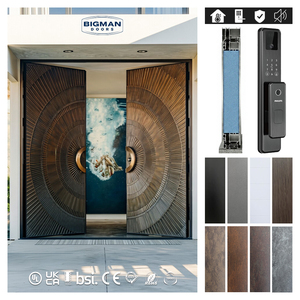
Architectural Australia Modern Carving Circular Radiating Design Double Exterior Villa Main Entrance Aluminum Security Door

Modern Carving Circular Design Double Villa Aluminum Security Door

Sheet Alloy: Cast Aluminum Plate Security: RC3 Burglar Proof Finish: AkzoNobel Fluorocarbon Lockset: German Multi-Latch
View Specifications →
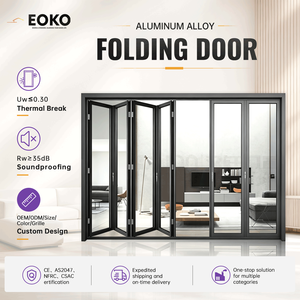
CE Certified EOKO CE Certified Anthracite Aluminium Bi-fold Folding Glass Door for Timber Frame Country Cottage Renovation Rustic Home

EOKO CE Certified Anthracite Aluminium Bi-fold Glass Fenestration

Shade: RAL 7016 Anthracite Standards: EN 14351-1 CE Threshold: Ultra-Low Barrier 15mm Operation: Top Hung Heavy Glider
View Specifications →
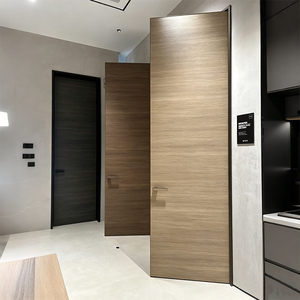
Hybrid System Foshan Manufacturer Modern Interior Aluminum Wooden Frame Swing Door Custom Solution for Residential Room

Modern Interior Architectural Aluminum-Timber Hybrid Swing Door

Frame: Extruded 6063 Aluminum Core: Solid Acoustic Composite Acoustic: STC 38 Damping Hinge: 3D Concealed Pivot
View Specifications →
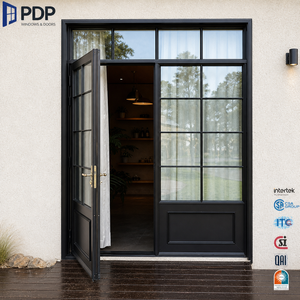
French Casement PDP Aluminum French Double Casement Door Double Tempered Glass Grille Interior/Exterior Use Waterproof Fiberglass Screen Netting

PDP Aluminum French Double Casement System with Colonial Grilles

Screen: 304 Stainless / Fiber Glazing: Double Tempered Argon Waterproof: EPDM Dual Gasket 600Pa Hardware: Roto Frank Precision
View Specifications →
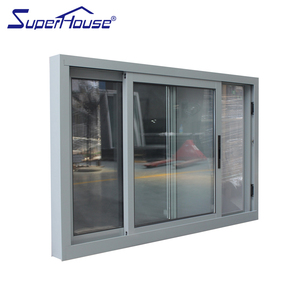
Miami-Dade NOA Florida Approved Miami Dade Hurricane Impact Glass Aluminium Sliding windows Screen Window

Florida Approved Miami Dade Hurricane Impact Sliding Window

Certification: Miami-Dade Approved Impact: Large Missile Level D Track: Monorail / Dual Sub-sill Air Infil: < 0.1 CFM/Sq Ft
View Specifications →
Get Catalog
Engineering Authority & Systemic Analysis

Aluminium Single Window Engineering: Structural Integrity & Fenestration Science

An analytical overview of structural deflection, thermal break dynamics, polyamide compound behavior, and modern airtightness engineering in commercial single-hung, casement, and fixed fenestrations.

1. Metallurgical Formulation: Extruded 6063-T6 vs Standard Commercial Alloys

In architectural fenestration, the choice of aluminum alloy fundamentally dictates load-bearing thresholds, flexural rigidity, and corrosion defense. Standard retail windows frequently utilize secondary recycled 6063-T5 aluminum, which offers lower yield strength (~145 MPa). At DERCHI's Foshan manufacturing plant, profiles for commercial single windows and high-load sliding sash units are engineered utilizing primary billet 6063-T6 aluminum, providing a guaranteed yield strength exceeding 214 MPa and ultimate tensile strength above 241 MPa.

This structural advantage allows specifiers to achieve expansive glazing surfaces while maintaining an allowable deflection ratio of L/175 under standard service loads and L/240 under severe cyclic conditions. The metallurgical chemistry is strictly controlled: Magnesium (0.45–0.9%) and Silicon (0.2–0.6%) precipitations are thermally aged to optimize grain boundary refinement, completely eliminating micro-fissuring during high-precision corner crimping and CNC milling.

Polyamide Thermal Barrier Engineering (PA66 GF25)

Aluminum is naturally conductive (k ≈ 160–200 W/m·K). Without an engineered thermal break, structural fenestration creates severe thermal bridging, condensation, and systemic energy loss. DERCHI single window systems integrate polyamide PA66 reinforced with 25% glass fiber (PA66 GF25) struts. This material mirrors the coefficient of thermal expansion of aluminum alloy (2.3 × 10⁻⁵ K⁻¹), completely eliminating delamination, shear failure, and acoustic creaking across extreme temperature variations between -35°C and +85°C.

Isothermal Boundary Continuity

Thermal breaks are not merely insulating inserts; they are placed to align the isothermal lines across the frame, sash, and glazing units. By introducing multi-cavity hollow polyamide struts and low-density cellular polyolefin insulation foam within the extrusion chambers, DERCHI single window configurations achieve thermal transmittance values down to Uf = 1.2 W/m²K, easily meeting stringent European Passivhaus and North American Energy Star specifications.

Hermetic Tri-Seal Perimeter Architecture

Air leakage is the largest source of convective heat transfer and acoustic infiltration. Our single window assemblies feature vulcanized continuous cellular EPDM (Ethylene Propylene Diene Monomer) gaskets configured in three progressive barriers: an external rainscreen deflector, a central decompression chamber, and an internal hermetic acoustic seal. This geometry achieves Class 4 airtightness under EN 12207 (0.02 m³/h·m at 100 Pa).

Electrostatic & PVDF Surface Passivation

To resist severe maritime salt-spray (ASTM B117 > 3,000 hours) and intense solar UV radiation, profiles are treated with either AkzoNobel Interpon D2525 super-durable powder coating or a 3-coat 70% Kynar 500 / Hylar 5000 PVDF (fluorocarbon) finish. The result is total color stability (Delta E < 5 after 10 years Florida exposure) and superior defense against atmospheric pollutants and acid precipitation.

B2B Market Intelligence & Sourcing Strategy

Future Procurement Trends in Architectural Aluminium Fenestration

How regulatory tightening, decarbonization directives, and automated prefabrication are reshaping how general contractors, developers, and architects source aluminum windows globally.

1. Scope 3 Decarbonization & Low-Carbon Aluminum

Institutional developers across the European Union (under EPBD directives) and North America (LEED v4.1 / ILFI) now mandate verifiable Environmental Product Declarations (EPD). Procurement departments increasingly reject high-carbon coal-powered aluminum extrusions (> 16 kg CO₂e/kg Al). The industry trend is rapidly pivoting to hydro-powered primary smelting and closed-loop scrap recycling, reducing embodied carbon to less than 4.0 kg CO₂e per kilogram of aluminum.

2. BIM Level 3 Integration & Parametric Fabrication

Traditional static submittals are obsolete. Tier-1 procurement workflows require full BIM LOD 350 to LOD 400 parametric families embedded with accurate thermal transmittance (U-value, SHGC), acoustic ratings (OITC, STC), and clash-detection metadata. Leading manufacturers must feed direct CAD/CAM shop drawings from Revit/ArchiCAD models directly into five-axis CNC machining centers, eliminating jobsite dimensional discrepancies.

3. De-risked Sourcing via Dual-Verification Audits

Turbulent maritime freight and regional tariff adjustments have made reliable factory auditing non-negotiable. B2B buyers now systematically demand verified factory direct capacity—such as DERCHI's 180,000 m² campus in Foshan—over non-asset trading intermediaries. Verification requires real-time remote inspection, ISO 9001:2015 tracking, third-party laboratory test reports (Intertek, TÜV, NAMI), and strict adherence to Incoterms DDP/CIF fulfillment timelines.

R&D Horizons & Emerging Paradigms

Technological Milestones Shaping the Next Generation of Windows

From structural silicone glazing to integrated electrochromic shading and vacuum insulating glass (VIG), modern fenestration is transforming into an active building skin.

Vacuum Insulating Glass (VIG) Cores

While standard triple glazing requires deep glazing pockets (up to 44–50mm) that strain frame hardware, hybrid VIG technology achieves center-of-glass thermal performance of Ug = 0.45 W/m²K within an ultra-slim 8.3mm profile. Single window systems utilizing VIG reduce frame dead loads by 40%, enabling larger operable sashes with significantly reduced wall thickness.

Motorized IoT Micro-Actuators & Concealed Hardware

Architectural aesthetics increasingly demand ultra-slim visible sightlines (< 45mm) and completely flush frame-to-wall interfaces. Modern premium single-hung and tilt-turn units integrate concealed brushless 24V linear actuators directly within the euro-groove channel. These link seamlessly to building management systems (BMS) for automated night purging, seismic event depressurization, and climate-triggered ventilation.

Resilient Impact Laminates (DuPont SGP)

Driven by severe coastal weather events, hurricane fenestration has evolved beyond simple PVB interlayers. The deployment of DuPont SentryGlas (SGP) ionoplast interlayers provides five times the tear strength and one hundred times the rigidity of conventional PVB. Even if glass panes shatter under high-velocity projectile impact (Level D / ASTM E1996), the SGP sheet maintains structural barrier integrity, preventing internal envelope pressurization.

Engineering Verification Matrix

Performance Benchmarks: Standard vs. Architectural vs. Extreme-Duty

A detailed parametric comparison demonstrating how high-precision engineering upgrades deliver tangible performance increments in commercial and luxury residential fenestrations.

Performance Characteristic Standard Commercial Window DERCHI Architectural Series DERCHI Extreme Storm / Hurricane Unit
Base Extrusion Alloy & Temper Standard 6063-T5 (Yield ~145 MPa) Primary Billet 6063-T6 (Yield >214 MPa) Reinforced 6063-T6 with Internal Steel Stiffeners
Thermal Barrier Core PVC / Low-grade composite (14mm) Polyamide PA66 GF25 Multi-cavity (24–34mm) Aero-gel Infused Polyamide PA66 GF25 (34mm+)
Overall U-Factor (Uw / W/m²K) 2.4 – 3.0 W/m²K 1.1 – 1.4 W/m²K (Triple / Low-E Argon) 0.85 – 1.1 W/m²K (Warm-Edge Spacers)
Structural Wind Load Resistance 1,200 Pa – 1,800 Pa 3,500 Pa (AS 2047 Serviceability) 4,500 Pa – 7,500 Pa (AS 2047 N6 / TAS 202)
Air Infiltration (Airtightness) Class 2 (EN 12207) Class 4 (< 0.02 m³/h·m at 100 Pa) Hermetic Continuous Quad-EPDM Seal Class 4
Water Penetration Resistance 300 Pa Static 600 Pa – 900 Pa Dynamic Rainscreen 1,200 Pa Static / Dynamic Sub-sill Drainage
Acoustic Attenuation (STC / Rw) Rw 28 – 30 dB Rw 38 – 42 dB (Asymmetric Laminated) Rw 44 – 48 dB (Acoustic PVB + Triple Cavity)
Certifications & Accreditations Local basic inspection CE EN 14351-1 ISO 9001 Miami-Dade NOA AS 2047 N6 UL Rated
Get Catalog
Manufacturing Authority & Scale

Guangdong Dejiyoupin Doors & Windows: Foshan's Premier Manufacturing Base

With over 25 years of specialized engineering experience, DERCHI operates as one of China's Top 10 luxury fenestration brands, partnering with tier-one architects, UK builders, and European developers.

180,000 m² Integrated Campus

Situated in Foshan—the global epicenter of high-end aluminum extrusion—our automated facility houses fully integrated extrusion, anodizing, powder coating, CNC thermal break assembly, and robotic insulated glass production lines, manned by over 600 specialized craftsmen and engineers.

Schüco Partner-Grade Precision

DERCHI was selected by a long-term British partner of German Schüco for a multi-villa luxury residential program. Our five-axis CNC profile processing centers guarantee precision tolerances within ±0.2mm, matching Germany's most demanding fenestration standards at direct factory scale.

Complimentary CAD & BIM Drafting

Every contract is assigned a dedicated senior bilingual fenestration engineer. We provide complete structural calculation sheets, shop drawings, anchor detail schedules, and BIM Revit files directly aligned with your local building codes prior to cutting the first billet.

Full CET/GMT Timezone Support

No communication friction. Our technical export department operates on shifts aligned directly with Western European (CET/GMT) and North American business hours, ensuring rapid response times, instant shop drawing modifications, and seamless project management.

Export Seaworthy Packaging

Windows and doors are individually masked with scratch-resistant protective films, corner-armored with high-density EVA foam, and crated in fully enclosed, fumigated solid plywood cases. We guarantee zero transit distortion to Felixstowe, Rotterdam, Hamburg, or Long Beach.

Global Certification Dossier

DERCHI systems possess comprehensive independent testing validations including CE Marking (EN 14351-1), AS 2047 N6 (Australian cyclone standard), Florida Miami-Dade County NOA, UL Fire-Rating, and ISO 9001:2015 quality management compliance.

Knowledge Base & Risk Mitigation

Frequently Asked Technical & Sourcing Questions (B2B FAQ)

Critical engineering and commercial questions commonly evaluated by architects, procurement directors, and building envelope contractors.

How does DERCHI ensure thermal break stability in high-rise single windows?

We exclusively utilize Technoform or in-house precision-crimped PA66 GF25 polyamide barrier struts. Each extrusion batch is tested under EN 14024 for transverse tensile strength (guaranteed > 70 N/mm) and shear strength across extreme temperature regimes before assembly, preventing thermal degradation or sash sag.

What is the standard production and shipping lead time for European projects?

CAD shop drawings are finalized within 3–5 working days. Manufacturing lead time for customized architectural lots is typically 25–35 days following sign-off and deposit. Ocean freight transit to main European ports (Hamburg, Rotterdam, Felixstowe) averages 28–32 days, managed under clear CIF or DDP Incoterms.

Can you manufacture single windows compliant with UK Building Regulations Part L & Part Q?

Yes. Our thermally broken window series equipped with argon-filled low-emissivity warm-edge double or triple glazing comfortably achieve overall Uw values below 1.2 W/m²K (exceeding Part L). For Part Q security compliance, our systems feature PAS 24 tested multipoint perimeter hardware and laminated safety glass.

How do you avoid thermal bridging and galvanic corrosion with steel fasteners?

All assembly fasteners and internal structural brackets are engineered from austenitic 304 or 316-grade stainless steel. Direct contact between dissimilar metals is physically isolated using non-conductive EPDM or nylon separation shims, completely mitigating galvanic electrochemical reactions.

Do you support project-specific acoustic engineering for urban/airport corridors?

Absolutely. Our technical department calculates acoustic damping using asymmetric insulating glass configurations (e.g., 6mm Low-E + 16A Argon + 4mm + 0.76mm Acoustic PVB + 4mm). This breaks symmetric resonant frequency transmission, achieving sound transmission class ratings up to STC 44 / Rw 43 dB.

What documentation accompanies each custom order for building control approval?

Every project dispatch includes a complete compliance dossier: Declaration of Performance (DoP) under EN 14351-1, third-party mill test certificates for aluminum 6063-T6 billets, glass tempering certificates, coating warranty documentation (10–20 years), and an installation manual.

What is your Minimum Order Quantity (MOQ) for bespoke architectural extrusions?

For standard catalog system profiles in custom RAL colors, our MOQ starts from a single project order (approx. 50 m²). For fully bespoke, custom-extruded aluminum die profiles, the MOQ is 1 metric ton of aluminum, with die engineering completed within 10–12 days.

How do you verify water tightness under dynamic hurricane conditions?

Our in-house QC laboratory conducts static and dynamic water testing simulating 100% wind-driven rain up to 1,200 Pa (equivalent to Category 4 hurricanes). We utilize multi-level internal weep channels with gravity non-return flap valves that evacuate infiltrated moisture while barring air blowback.

Partner With Foshan's Premier Manufacturer

Accelerate Your Project with Certified Engineering Excellence

Whether you require custom-engineered single windows for a coastal commercial complex or high-specification thermally broken assemblies for a European residential development, our engineers will prepare tailored CAD shop drawings and pricing within 24 hours.